
Impact Fees: What They Add to a New Florida Home
If you're buying new construction in the Sarasota region, at some point you'll see a line item called impact fees, or you'll hear a builder mention them. They're one of those costs that's real, meaningful, and almost never explained properly.
Here's what they are and how they affect what you pay.
Standard note: fee schedules, rates, and policies change regularly at the county and municipal level, and they've been the subject of state legislation. Verify current amounts with the relevant jurisdiction rather than relying on a number you read anywhere, including here.
The Basic Idea
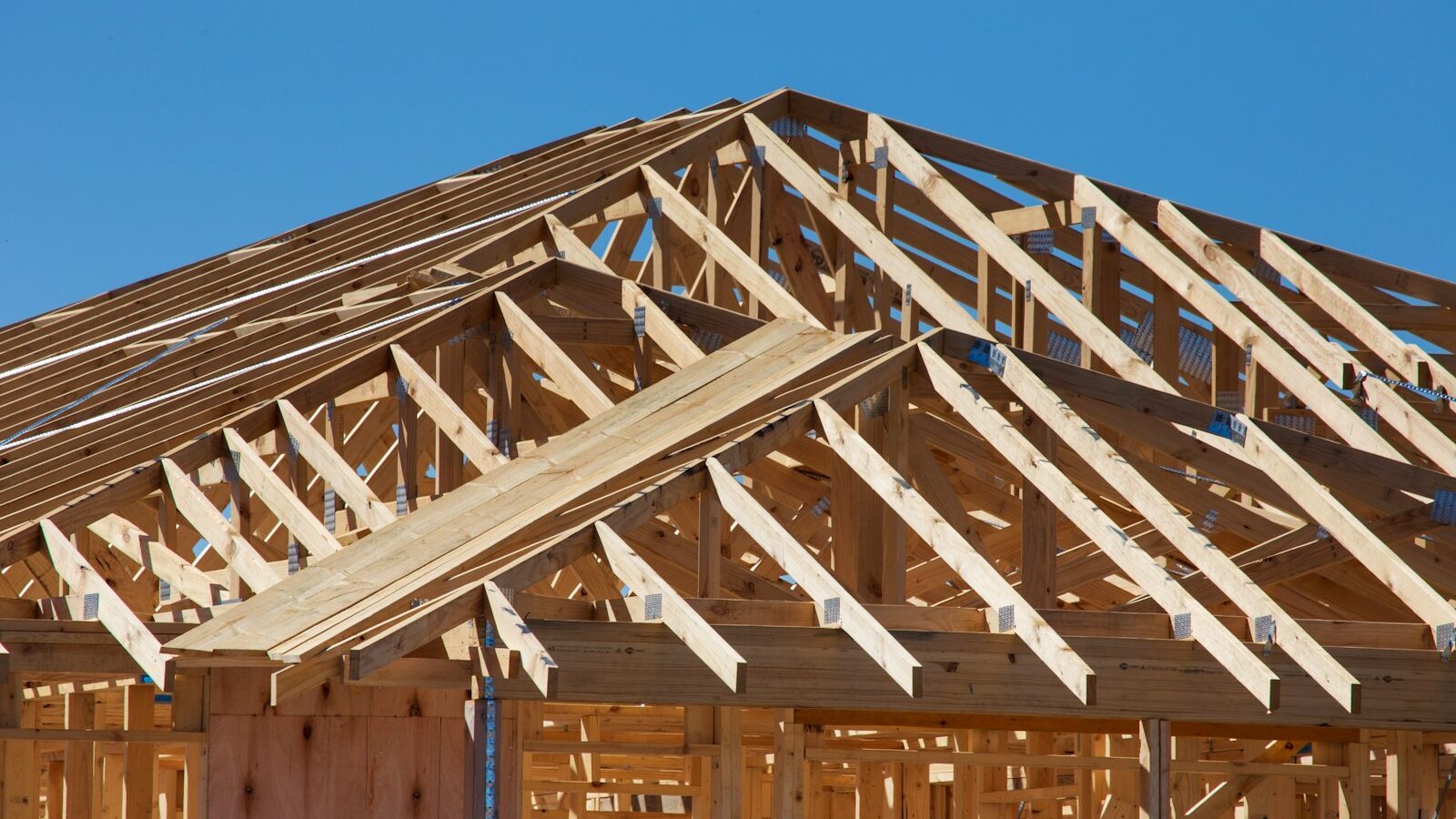
When a new house is built, it adds people to a community. Those people drive on roads, send children to schools, use parks and libraries, and require fire and emergency services. That growth creates a need for additional infrastructure capacity.
Impact fees are one-time charges assessed on new development to fund that capacity. The underlying principle is that growth should pay for growth, rather than existing taxpayers funding the infrastructure that new residents require.
They're collected at the time of permitting, typically paid by the builder or developer and folded into the price of the home. So while you may never write a check labeled "impact fee," you are paying it.
What They Typically Fund
Fee categories vary by jurisdiction but commonly include:
Transportation or roads. Usually the largest single category, funding capacity improvements to the road network.
Schools. Funding capacity for new students in the public school system.
Parks and recreation.
Fire and emergency medical services.
Law enforcement.
Libraries.
General government facilities.
Utility connection fees for water and sewer are typically separate from impact fees, though they're often lumped together in conversation. Both are real costs on a new home.
How Much They Are
Amounts vary substantially by county, by municipality within a county, and by the size and type of the dwelling. A larger home generally pays more than a smaller one, on the theory that it houses more people and generates more impact.
In fast-growing areas like Sarasota and Manatee counties, the combined total across all categories on a single-family home can run into the tens of thousands of dollars.
That's a significant number, and it's a meaningful component of why new construction costs what it does. It's also why the same house can cost noticeably different amounts to build in different jurisdictions.
Rates Change, and Politically
Impact fee schedules are set by local government and get adjusted. They've been raised, lowered, temporarily suspended, and phased in at various times, and Florida has passed legislation constraining how quickly local governments can increase them.
If you're in the planning stage on a build, the fee schedule at the time of permitting is what applies, and schedules can change between your contract and your permit. Ask the builder specifically how fee increases are handled in your contract. Some contracts pass increases through to the buyer.
Where They Show Up
For most buyers of production new construction, impact fees are simply inside the price. The builder paid them at permitting and the home is priced accordingly. You won't see a separate line.
If you're building custom on your own lot, you'll encounter them directly, as part of the permitting cost. It's a substantial item in a custom build budget and it needs to be in your numbers from the start. Our guide to building a new home in Sarasota covers the broader cost picture.
If you're buying resale, you're not paying them again. They were paid once when the home was built. That's one quiet advantage of resale, though it's typically reflected in the market rather than being a discount you can point to. Our guide to new construction versus resale weighs the full comparison.
Impact Fees vs CDD Fees vs HOA Dues
These three get confused constantly, and they're entirely different things.
Impact fees are a one-time charge paid at permitting, funding public infrastructure like roads and schools that serve the broader community. You pay once, indirectly, through the price of the home.
CDD assessments repay bonds that funded infrastructure inside a specific community: its roads, drainage, utilities, and amenities. These appear as an ongoing annual assessment, often on your property tax bill, typically for decades until the bonds are retired. Our guide to what a CDD fee is explains the structure, and Lakewood Ranch HOA and CDD fees covers this area specifically.
HOA dues pay for ongoing operation and maintenance of community common areas and amenities. Recurring, indefinitely. Our guide to HOAs and deed restrictions covers those.
The practical implication: when comparing a new home in a CDD community against an older home in an established neighborhood, the sticker price doesn't tell you the carrying cost. You need to add the CDD assessment and HOA dues to get a real comparison. A home that's fifty thousand dollars cheaper with a substantial annual CDD assessment may not actually be cheaper.
Ask for the total annual obligation on any specific address before you compare anything.
Do Impact Fees Affect Home Prices?
This is genuinely debated. The intuitive answer is that they add directly to price, and there's something to that, especially in the short run.
The more complicated answer is that in a market with strong demand, new home prices are set substantially by what buyers will pay rather than purely by cost, and fee changes can get partly absorbed by land values rather than passed entirely to buyers. When fees go up, developers may pay less for land.
Either way, they're a real cost in the system, and in a high-growth region they fund infrastructure that does get built. Anyone who has driven University Parkway or the Lakewood Ranch corridor over the past decade has seen substantial road capacity added.
Whether it keeps pace with growth is the perennial local argument, and it's one you'll hear at community meetings. Our guide to local government and getting involved covers where those decisions get made.
Practical Advice for Buyers
Buying production new construction: impact fees are in the price. What you should verify is whether the builder's contract allows pass-through of fee increases before permitting, and whether the community has a CDD and at what annual amount.
Building custom: get a current fee estimate from the county for the specific jurisdiction and dwelling size before you finalize your budget. Include utility connection fees separately. Talk to your builder about how fee changes are handled.
Buying a vacant lot to build on later: understand that fees will be assessed when you permit, at whatever rate is then in effect, not at today's rate. That's a real budgeting uncertainty for a build a few years out.
Comparing jurisdictions: fee schedules differ between Sarasota County, Manatee County, and the municipalities within them. If you're deciding between two similar communities in different jurisdictions, this is one of several cost differences worth understanding. Our guide to Sarasota County versus Manatee County covers the broader comparison.
The Bigger Cost Picture
Impact fees are one piece of what makes new construction cost what it does here, alongside land, materials, labor, and the demands of our building code.
The offsetting advantage of new construction in Florida is real: homes built to current code carry meaningfully better insurance profiles than older homes, which is a recurring annual saving. Our guides to wind mitigation inspections and Florida home insurance explain that math.
Our Sarasota cost of living guide assembles the full picture, and our community matching quiz can help you figure out which communities are worth comparing in the first place.



Ready to find your place on the Suncoast?
Take the 60-second quiz to find your community, or talk to a local expert now.