
Building a New Home in Sarasota: The Process Step by Step
There is something exciting about a brand new home that nobody has ever lived in. The finishes are fresh, the systems are modern, and you get a real say in how it all comes together. If you are thinking about building in the Sarasota area, the process can feel like a black box from the outside, so let us walk through it step by step. A quick note first: this is general information, and every builder, community, and lot is different, so your builder and your local agent are the people who can advise you for your exact situation.
Step 1: Decide What Kind of Build Fits You
The first fork in the road is whether you want a production home or a custom home. Neither is better, they just suit different people.
A production build means you buy into a community where the builder offers a set of floor plans and a menu of finishes. You pick a plan and a lot, choose your options, and the builder handles the rest. It is faster, pricing is more predictable, and you usually have a model home to walk through. Most master-planned neighborhoods around Sarasota and Lakewood Ranch work this way.
A custom build means you, often with an architect, design the home from scratch on a lot you own or buy. You control nearly every detail, which is wonderful if you have a clear vision, but it takes longer, costs more, and asks more of you along the way. If you are torn between building and buying something that already exists, our guide on new construction versus resale is a good place to sort out the tradeoffs.
Step 2: Choose a Community and Lot, or Find Land
For most buyers, the community comes first and the home comes second. The neighborhood sets your taxes, HOA, commute, schools, and the lifestyle around you, and you cannot change those later the way you can change a paint color. Communities like Gracewater at Sarasota are worth touring in person if you can, because a model and a map only tell you so much.
When you pick a lot, look past the dirt. A preserve or water view is lovely, but a premium lot costs more, and some come with drainage, setback, or orientation quirks. Ask which way the home faces, where the afternoon sun lands on the lanai, and whether the lot carries a premium. If you are buying raw land for a custom build, do your homework first on zoning, utilities, soil, flood zone, and whether the land perks for a septic system if there is no sewer hookup.
Step 3: Select and Vet Your Builder
Your builder is the single biggest factor in how this goes, so do not rush this part. In a production community the builder is usually a given, but you can still research their reputation, warranty record, and how they handled recent buyers. For a custom home, you are interviewing and choosing, which gives you more control and more responsibility. Either way, a few things to check: confirm the builder is licensed and insured in Florida, look at homes they finished a year or two ago rather than just the shiny model, and talk to a couple of past clients about communication and warranty handling. Builders with deep Sarasota experience, like Lee Wetherington Homes, understand our climate, our codes, and the way Gulf Coast humidity and storms shape good construction. That local knowledge matters more than people expect.
Step 4: The Design and Selections Process
This is the fun part, and also where budgets can quietly run away from you. In a production build you will visit a design center to choose flooring, cabinets, counters, fixtures, paint, and dozens of smaller details. In a custom build you may work with a designer to shape everything from the footprint to the trim.
Two pieces of advice here. First, decide ahead of time which upgrades genuinely matter, because every choice has a price tag and they add up fast. Structural choices like an extra foot of ceiling height or a wider lanai are hard to change later, so prioritize those over things you can swap down the road. Second, respect the deadlines, because builders need your selections locked by certain dates, and late changes can cost money or push your timeline.
Step 5: Contracts and Allowances
Before construction starts, you sign a contract, and this document deserves a careful read. Have your agent, and ideally an attorney for a custom build, look it over with you. Pay close attention to the allowances, which are dollar amounts the builder sets aside for things like flooring or appliances. If you choose finishes that cost more than the allowance, you pay the difference, so a low allowance can turn into a stack of surprise charges. Also look at how the contract handles change orders, rising material costs, how the deposit is held, and any language about delays. A fair contract spells out what is included, what is an upgrade, and how disputes get resolved, so ask every question you have before you sign.
Step 6: Permitting and HOA Review
Once plans are set, the project goes through permitting with the county or city, where officials confirm the home meets building codes, including Florida's strict wind and structural requirements. Production builders handle this routinely, so it rarely slows you down. For a custom build, permitting can take longer, and your builder manages the back and forth.
If your community has an HOA, your plans may also go through an architectural review committee that signs off on the design, colors, and materials to keep the neighborhood consistent. This is normal, and your builder will know the local rules. The main thing is to expect it and not be surprised when there is a review step before the first shovel hits the ground.
Step 7: The Construction Timeline and Phases
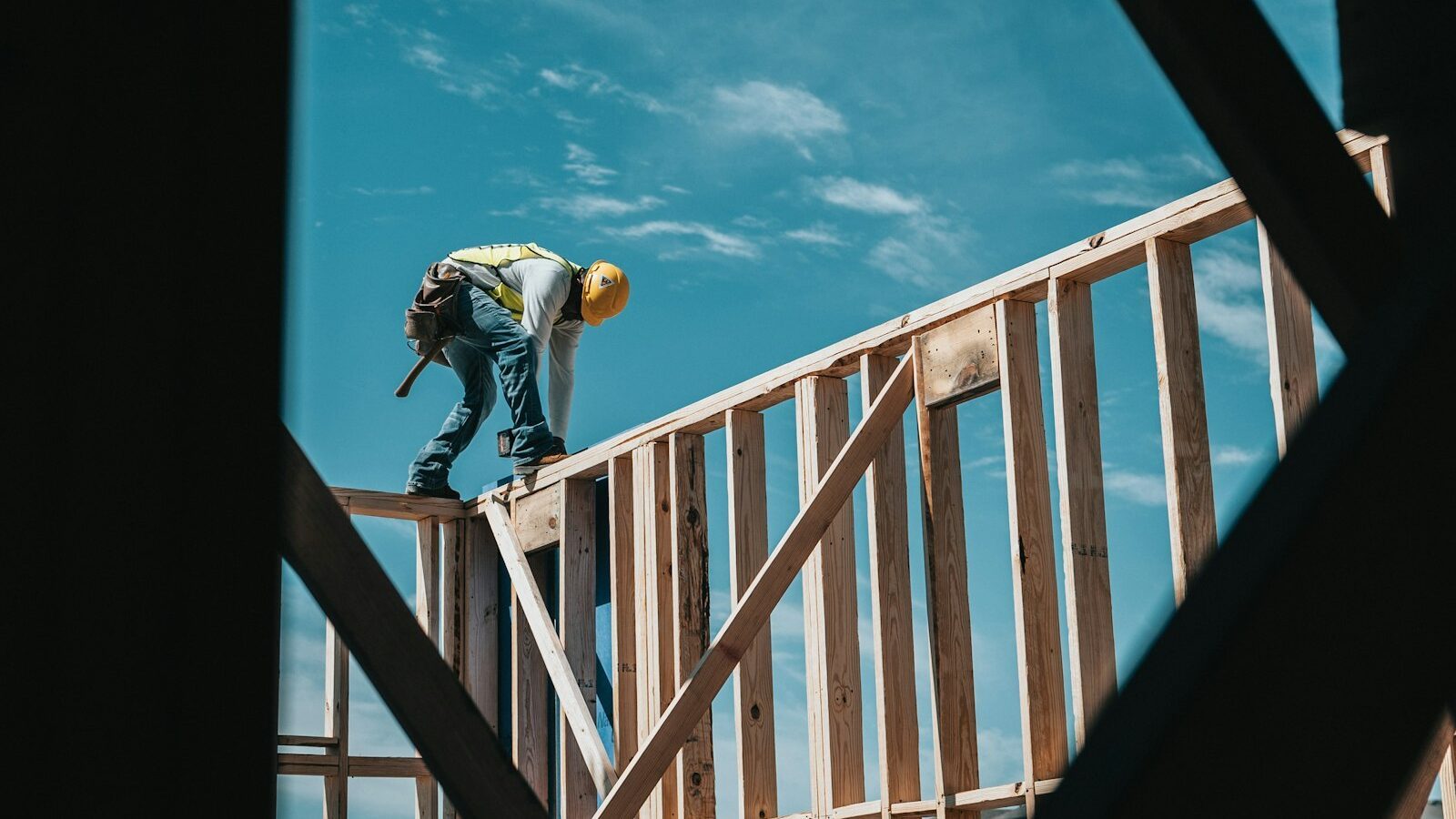
Now the home goes up, and it follows a predictable rhythm. First comes site work and the foundation, usually a concrete slab here in Florida. Then the home is framed, and suddenly you can walk the rooms and feel the size of the place. After framing comes the roof and the rough-in of plumbing, electrical, and air conditioning inside the walls. Once those systems pass inspection, the walls get insulated and closed up with drywall, and then come the finishes you picked out: flooring, cabinets, counters, paint, trim, fixtures, and landscaping. A production home often runs roughly six to nine months, while a custom home can take a year or more. Weather, material availability, and inspections all influence the pace, so build a little patience into your plans.
Step 8: Financing a Build and the Draw Schedule
Paying for new construction can work differently than a typical purchase. With many production builders, you put down a deposit and get a regular mortgage that closes when the finished home is done, which keeps things simple. With a custom build, you often use a construction loan that releases money in stages, called draws, as each phase is completed and inspected. The draw schedule ties payments to progress, so the foundation draw funds after the foundation is poured, and so on. These loans usually convert to a regular mortgage once the home is finished, and the details vary by lender, so line up your financing early and understand exactly how and when payments flow.
Step 9: Walkthroughs, the Punch List, and Warranty
As the home nears completion, you will do a walkthrough with the builder, and this is your moment to be thorough. Open every cabinet, run every faucet, flip every switch, check the doors and windows, and look closely at the finishes. Anything that needs fixing goes on a punch list, the running tally of items the builder agrees to correct before or shortly after closing, so do not feel shy about flagging small things. After you move in, your new home comes with a builder's warranty, typically a year on workmanship, a couple of years on major systems like plumbing and electrical, and longer structural coverage. Keep your documents, note the warranty windows, and report issues promptly so they get handled while you are covered. New homes settle a little in the first year, so a few minor items are normal.
Building From Out of State
Plenty of our readers build their Sarasota home before they ever move here, and it is doable with the right team. The trick is leaning on people you trust on the ground. A local agent can tour models, walk lots, and attend milestone visits on your behalf, sending you photos and video at each phase, and many builders are comfortable handling selections over video calls and sharing progress by email. If you go this route, set expectations early about how often you will get updates, and try to time one or two in-person visits around key moments like framing and the final walkthrough. Not sure which community fits your life yet? Our community matching quiz is a quick way to narrow the field before you start touring builders.
Ready to Build Your Suncoast Home?
Building a new home is a big project, but broken into steps it is far less intimidating, and the payoff is a place that feels truly yours from day one. When you are ready, connect with a local agent who knows the area's builders and communities, or take the community matching quiz to figure out where you want to put down roots. We are glad to help you find your place on the Suncoast.



Ready to find your place on the Suncoast?
Take the 60-second quiz to find your community, or talk to a local expert now.