
Understanding HOA and CDD Fees in Lakewood Ranch
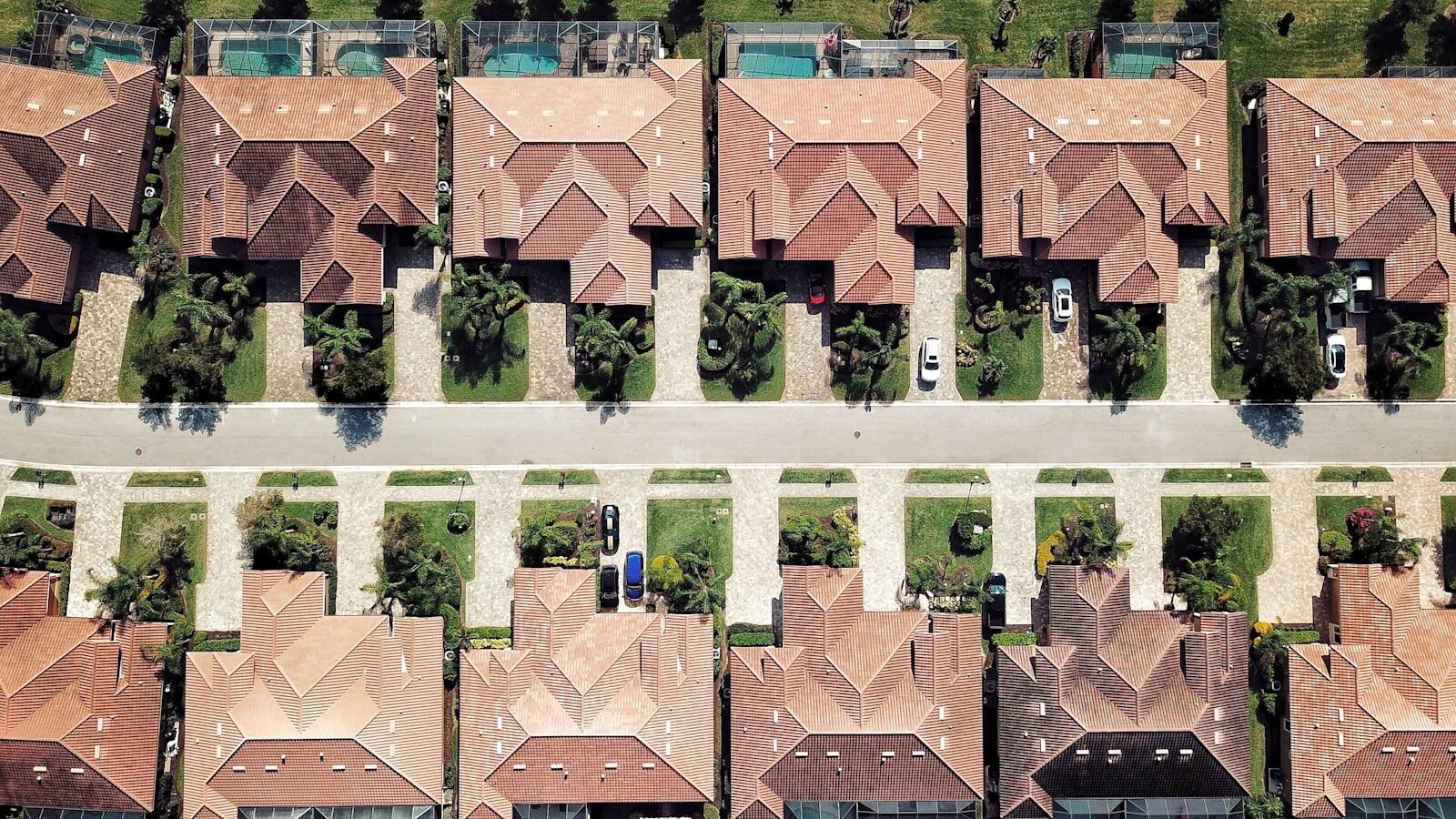
One of the first things newcomers notice about Lakewood Ranch is how put-together everything looks. The medians are landscaped, the trails connect, the pools and clubhouses feel resort-grade, and the streets are wide and well kept. None of that happens by accident, and none of it is free. Behind those polished surroundings sit two kinds of recurring costs that confuse a lot of relocating buyers: HOA dues and CDD assessments. They are not the same thing, they fund different stuff, and they show up in different places. Once you understand how each one works, the numbers stop feeling mysterious and start feeling like a normal part of budgeting for a master-planned community.
HOA dues: paying for the day-to-day community
HOA stands for homeowners association. When you buy in most Lakewood Ranch neighborhoods, you become a member of one, and membership comes with dues. Think of the HOA as the organization that keeps your immediate community running and looking sharp on an ongoing basis. The dues you pay go into a shared pot, and that pot covers the things no single homeowner could reasonably handle alone.
What HOA dues typically pay for, in general terms, includes upkeep of common areas and shared landscaping, maintenance of neighborhood amenities like pools, fitness rooms, and clubhouses, and the administrative work of running the association. In some communities the dues also cover gate operation, certain exterior maintenance, or shared services. The exact mix varies a lot from one village to the next, which is why two homes a few miles apart can have very different dues even though both sit inside Lakewood Ranch.
It helps to remember that HOAs also enforce community standards. The rules about paint colors, fencing, parking, and landscaping that keep the area consistent are administered by the association. Whether you find that reassuring or restrictive is a personal call, but it is part of what your dues support.
CDD assessments: paying for the infrastructure
CDD stands for community development district. This is the part that trips people up, because it is far less common in other parts of the country. A CDD is a special-purpose local government unit that a master-planned community can use to finance the big infrastructure that makes development possible in the first place. We are talking about roads, water and sewer lines, stormwater drainage, and large shared amenities.
Here is the plain-English version. Building all of that infrastructure costs an enormous amount of money up front. Rather than rolling the entire cost into the price of each home at closing, a CDD spreads it out over time through assessments paid by the homeowners who benefit from it. In effect, the community borrows to build, and homeowners help repay that over a period of years.
Because Lakewood Ranch grew the way it did, as a planned community built out village by village, CDDs are common across much of it. They are a normal feature here, not a red flag. But they are a real cost, and you want to understand them before you commit to a specific home.
Why CDD fees often appear on your tax bill
One key difference between HOA dues and CDD assessments is where they show up. HOA dues are usually billed directly by the association, monthly, quarterly, or annually depending on the community. CDD assessments, by contrast, frequently appear on your annual property tax bill rather than as a separate invoice from the HOA.
That detail matters for two reasons. First, it means a quick glance at a home's HOA dues will not tell you the full picture, because a chunk of the recurring cost may be sitting on the tax bill instead. Second, CDD assessments often include a portion tied to repaying the original infrastructure debt and a portion for ongoing operations and maintenance. In some communities the debt portion runs for a set period and then ends once the underlying obligation is paid off, while the maintenance portion tends to continue. The specifics depend entirely on the individual district, so this is something to confirm for the exact address you are considering rather than assume.
Why these costs exist at all
If you are moving from a region without HOAs or special districts, it is fair to ask why any of this is necessary. The short answer is that amenity-rich, master-planned living has to be funded by the people who enjoy it. Public services in a typical municipality cover basic roads and utilities, but they do not pay for community pools, private trails, gated entries, resort clubhouses, or the constant landscaping that gives Lakewood Ranch its look.
HOAs and CDDs are the mechanisms that pay for that elevated environment and keep it maintained year after year. When the system works well, you get a community that holds its quality over time instead of slowly running down. The trade-off is that you are signing up for recurring costs that come with the lifestyle. Plenty of buyers decide the amenities and consistency are well worth it. Others prefer a lower-cost neighborhood with fewer shared features. Neither answer is wrong, but you should make the choice knowing what you are paying for.
Why amounts vary so much by village
There is no single Lakewood Ranch HOA number and no single CDD number. Amounts vary widely from village to village and even from one section to another within a village. A neighborhood with extensive gated amenities, maintained yards, and a large clubhouse will generally carry higher dues than a more modest section with fewer shared features. CDD assessments differ because each district financed a different scope of infrastructure on a different timeline.
This variation is exactly why it is risky to budget off a friend's numbers or a figure you saw online for a different part of the community. The structure is similar everywhere, but the dollars are home-specific. If you are still mapping out where in the area you fit, our Lakewood Ranch villages guide can help you narrow the field, and if you are weighing a brand-new home, the new construction guide covers how assessments tend to factor into newer sections.
How to get the exact figures before you buy
The good news is that these costs are knowable and verifiable. You do not have to guess. Before you make an offer, ask for the precise HOA dues and CDD assessment tied to the specific property by address.
- Request a written breakdown of current HOA dues, including how often they are billed and what they cover.
- Ask specifically about CDD assessments for that address and confirm whether they appear on the property tax bill.
- Find out whether the CDD includes a debt portion with an end date and a separate ongoing maintenance portion.
- Review the HOA governing documents and any disclosures so you understand the rules along with the costs.
- Look at the full annual carrying cost, including dues, assessments, taxes, and insurance, rather than any single line item.
A good local real estate professional and a title company can pull these figures and disclosures as part of a normal transaction. Treat anything you read here as background, not a substitute for the actual documents.
This article is general information and not financial, legal, or tax advice. Always verify the exact HOA dues, CDD assessments, and disclosure documents for the specific home you are considering before relying on any numbers.
Fitting it into your bigger picture
HOA and CDD costs are one piece of what it actually takes to live well here. When you stack them alongside property taxes, insurance, and everyday expenses, you get a realistic monthly and annual number to plan around. Our broader cost of living resources can help you see how those pieces fit together for the Sarasota and Bradenton region as a whole.
If you are not yet sure which kind of community matches how you want to live, that is worth sorting out before you fall for a particular floor plan. Take a few minutes with our community-match quiz to see which neighborhoods line up with your priorities and budget, or reach out to a local expert who can pull the real HOA and CDD figures for any home on your list. Knowing the numbers up front is the surest way to enjoy everything Lakewood Ranch offers without a surprise on your first tax bill.



Ready to find your place on the Suncoast?
Take the 60-second quiz to find your community, or talk to a local expert now.