
Polo Sundays and the Equestrian Side of Lakewood Ranch
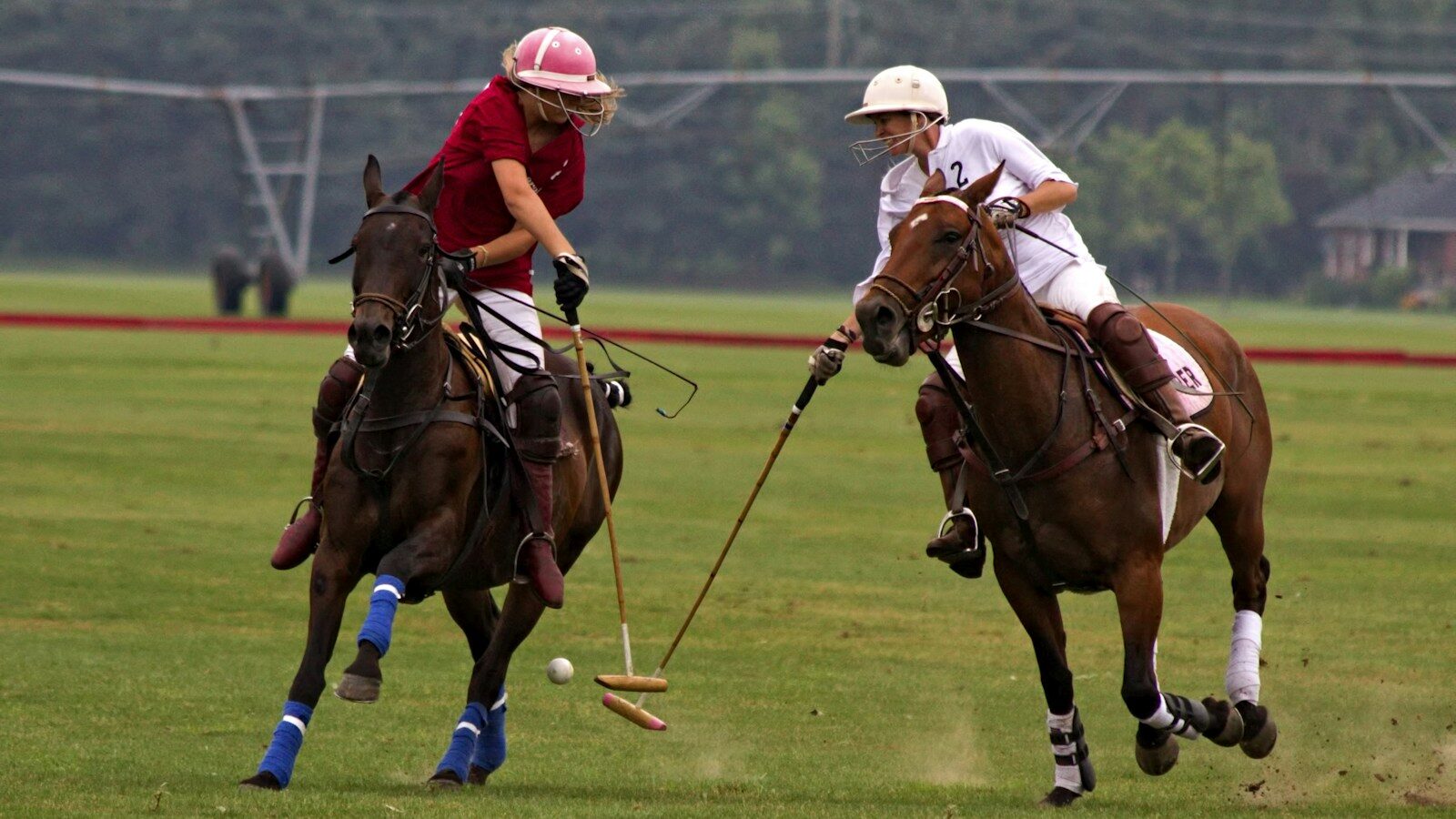
Somewhere in your first winter here, someone will invite you to polo. If you're picturing something formal and intimidating, adjust your expectations downward and your enthusiasm upward. Sunday polo in Lakewood Ranch is essentially a tailgate on a lawn with horses, and it's one of the more enjoyable local traditions.
The Sarasota Polo Club
The club sits in Lakewood Ranch, east of I-75, on a substantial property with multiple fields. It has been operating for decades and runs a winter season, typically from around December through April, with matches most Sundays.
That season timing is no accident. It coincides with our best weather and with the presence of a large seasonal population, and it's part of a broader Florida winter equestrian circuit that draws players and horses from around the world.
How a Sunday Actually Works
Gates open in advance of the match. You pay admission per person or per carload depending on the arrangement, and you either sit in the grandstand area or, more commonly, park along the field and set up.
The field-side parking is the point. People back in, open the tailgate, put out chairs and a table, bring food and drink, and settle in. Some go elaborate with tablecloths and spreads. Most bring a cooler and sandwiches. Both are correct.
Dogs are typically welcome, which makes it a popular outing for dog owners. Our dog-friendly Sarasota guide covers other options.
Kids run around. People wander between vehicles talking to whoever they know. The atmosphere is social rather than sporting for a large share of attendees, and nobody minds.
The Divot Stomp
At halftime, everyone walks onto the field to replace the turf divots kicked up by the horses. It's a genuine tradition, it's slightly absurd, and it's the best part of the afternoon for most first-timers. You get onto the field, you see the horses up close, and you talk to strangers while stamping on grass.
Wear shoes you don't mind getting grassy.
Understanding the Game, Roughly
You don't need to, but a little knowledge improves the experience.
Two teams of four mounted players try to hit a ball through the opponent's goal using long mallets. The game is divided into periods called chukkers, each running about seven minutes, with a typical match running several chukkers.
Horses are swapped between chukkers because the work is extremely demanding. A single player may use several horses in a match, which is part of why polo is an expensive sport.
Teams change direction after each goal, which confuses everyone at first.
The key rule concept is the line of the ball, an imaginary line along the ball's path that players may not dangerously cross. Most fouls relate to it. Players are handicapped by skill rating, and team handicaps determine any goal advantage at the start.
The horses are genuinely impressive athletes, and watching them stop, turn, and accelerate at close range is the thing most people remember.
Practical Notes
Check the current schedule before going, since match days and times shift and weather cancels.
Arrive early for a good field-side spot, particularly on a beautiful February Sunday when half the region has the same idea.
Bring: chairs, shade if you have it, sun protection, water, food and drink, and cash for anything on site. Check current policies on what you can bring in.
Dress is casual. There are occasional themed days where people dress up, and those are fun, but jeans are perfectly normal.
The grounds are grass, so consider that for mobility and for footwear.
The Wider Equestrian Scene
Polo is the visible part. There's a broader horse culture here that surprises people.
East of I-75, particularly in eastern Manatee County toward Myakka City and in the rural parts of both counties, there's genuine horse country: acreage properties with barns and pastures, boarding facilities, training operations, and riding trails.
Florida's winter climate makes it attractive for horse operations, and while Ocala to the north is the state's major equestrian center, our area has a real and active community.
If you're relocating with horses, or plan to acquire them, the eastern rural areas are where to look. That comes with a whole set of considerations: acreage zoning, well and septic systems, agricultural classification for property tax purposes, and distance from services.
Our guide to septic systems and well water covers the rural infrastructure side, which is essential reading before buying acreage.
Riding Without Owning
For people who want to ride occasionally, there are lesson barns and trail riding operations across the region. Several offer beach or trail rides, and riding is available for a range of ages and abilities.
Therapeutic riding programs also operate in the area, and they're consistently in need of volunteers. That's a meaningful volunteer opportunity for someone comfortable around horses. Our guide to volunteering and newcomers clubs covers other options.
Why It's Worth Knowing About
Two reasons, beyond the afternoon itself.
First, it's an easy social entry point. Polo Sunday is a low-commitment thing you can invite new acquaintances to, or accept an invitation to, without it being a big deal. A lot of local friendships have been built on adjacent tailgates.
Second, it's a good illustration of something newcomers often miss about Lakewood Ranch and the eastern corridor. The area gets described as generic new-construction suburbia, and parts of it are. But it sits on what was a working ranch, and the agricultural and equestrian history is still present around its edges. Polo is the most visible remnant.
Our guides to Lakewood Ranch, Main Street life, and whether Lakewood Ranch is good for families cover the community itself.
Fitting It Into the Season
Polo is part of a broader winter calendar here that includes festivals, outdoor concerts, farmers markets, art shows, and spring training baseball. From December through April there is genuinely more going on than you can attend.
Our guide to annual events and festivals maps the calendar, and things to do around the area covers the year-round options.
If this kind of thing appeals and you're weighing where in the region to settle, our community matching quiz factors in how you actually want to spend your weekends.

Ready to find your place on the Suncoast?
Take the 60-second quiz to find your community, or talk to a local expert now.