
Registering to Vote and Understanding Local Government Here
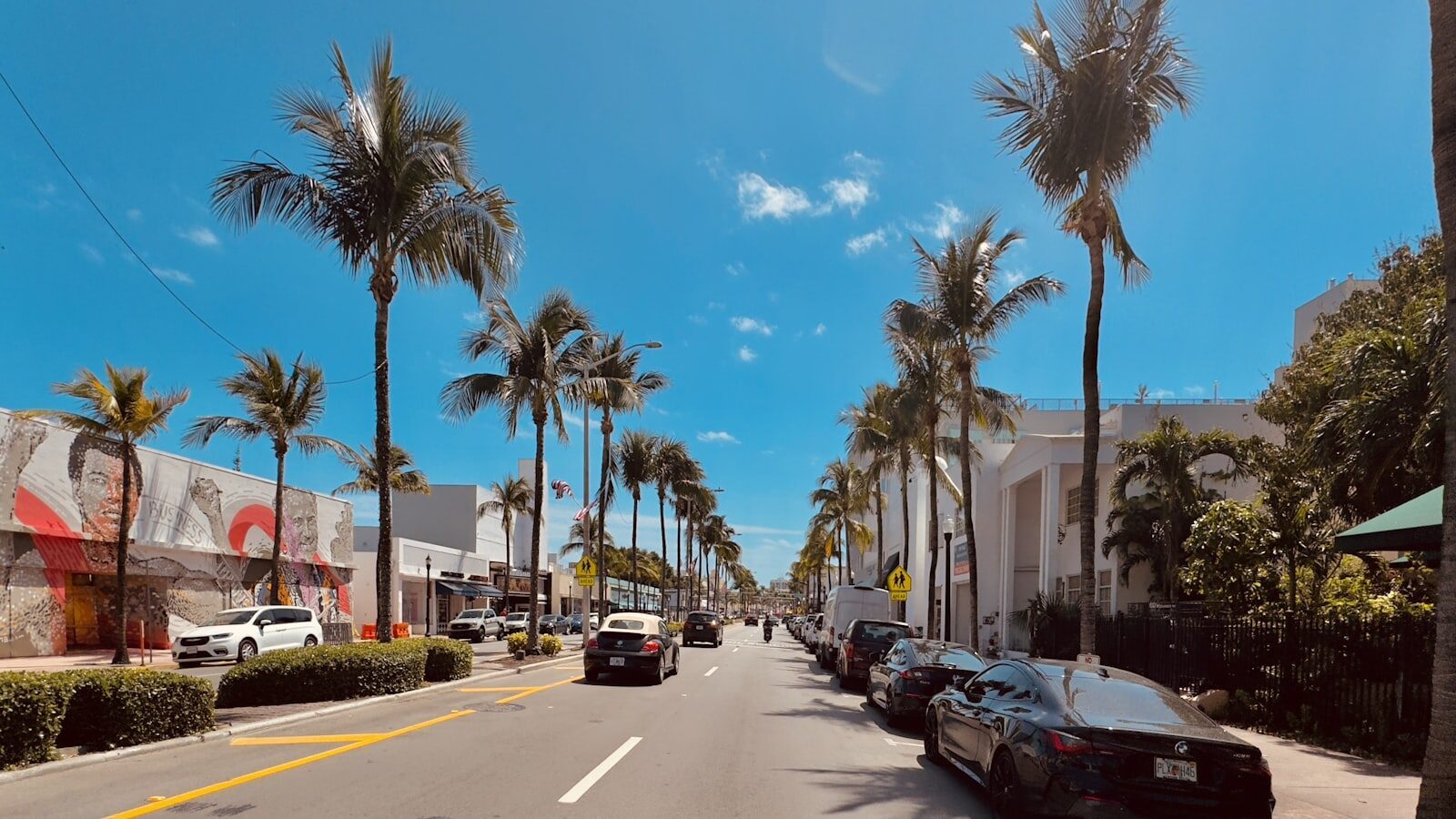
Here's something newcomers figure out eventually: the decisions that most affect your daily life here are made locally. Growth and zoning, road projects, beach access, stormwater, impact fees, school policy, and what gets built on the empty parcel behind your neighborhood.
None of that is decided in Tallahassee or Washington. It's decided by county commissioners and city councils in rooms you can walk into.
This guide covers how to register, how the local structure works, and where to show up.
Registering to Vote
Registration in Florida is handled by the county Supervisor of Elections. You can register online through the state's system, in person at the Supervisor of Elections office or various public locations, or when you get your Florida driver's license.
You'll need to be a US citizen, a Florida resident and a resident of the county, and at least 18 by election day, with 16- and 17-year-olds able to preregister.
There are registration deadlines before each election, typically a defined number of days prior. Miss it and you vote in the next one.
Party Registration Matters Here
Florida has closed primaries. That means in a partisan primary election, you may only vote in the primary of the party you're registered with. Voters registered with no party affiliation generally cannot vote in partisan primaries at all.
This catches independent-minded newcomers regularly. In many Florida races, particularly in counties where one party dominates, the primary is effectively the deciding election. Registering with no party affiliation means sitting out the contest that actually determines the outcome.
Whether that changes how you register is your call. We mention it because a lot of people don't know it until they've missed a primary.
Note that nonpartisan races, such as judicial elections and many municipal contests, and ballot measures are open to all registered voters.
Registering to Vote and Residency
Voter registration is one of the standard indicators of Florida domicile, alongside your driver's license, vehicle registration, and a Declaration of Domicile. If you're moving here from a high-tax state and want a clean residency record, registering to vote here and canceling registration in your former state is part of that. Our guide to establishing Florida residency covers the full list.
How Voting Works in Florida
Florida offers three ways to vote: by mail, during early voting, and in person on election day.
Vote by mail requires a request, and the rules around how long a request stays active have changed in recent years. Requests generally must be renewed more frequently than they once were, so don't assume a request from a previous cycle is still on file. Check with your Supervisor of Elections each cycle.
This matters particularly for seasonal residents who may be up north during an election. If you're a Florida resident who spends summers elsewhere, get your mail ballot request sorted.
Early voting runs for a period before election day at designated sites, and it's popular here. In season, it's often the least crowded option.
Election day voting happens at your assigned precinct. Bring a valid photo and signature ID.
Your Supervisor of Elections website is the authoritative source for deadlines, sites, sample ballots, and your registration status. Both Sarasota and Manatee counties run informative sites.
Who Actually Governs You
This is the part newcomers find genuinely confusing, because Florida's structure differs from many states.
County Government
The Board of County Commissioners is the main legislative body for unincorporated areas, which is where a large share of this region's population lives. Commissioners handle land use and zoning, the county budget, impact fees, parks, libraries, and county services.
If you live in an unincorporated area, and you probably do if you're in Lakewood Ranch, Palmer Ranch, or most of the master-planned communities, your county commission is your primary local government.
Both counties have moved to single-member districts for commission elections at various points, meaning you vote for the commissioner representing your district rather than all of them. Check your district.
Constitutional Officers
Florida elects a set of county officers independently rather than having them appointed. These include the Sheriff, the Property Appraiser, the Tax Collector, the Clerk of the Circuit Court, and the Supervisor of Elections.
Two of these you'll interact with directly. The Property Appraiser determines your property's assessed value and administers exemptions including homestead. Our guides to the homestead exemption and Save Our Homes and portability cover why that office matters to your wallet.
The Tax Collector handles property tax payments, and in Florida also handles driver's licenses and vehicle registration in most counties. Our guide to licenses and registration covers what to bring.
Municipal Government
If you live within an incorporated city, you have a city government in addition to county government. In our region that includes the City of Sarasota, the City of Bradenton, Venice, North Port, Palmetto, Bradenton Beach, Holmes Beach, Anna Maria, Longboat Key, and others.
City governments handle their own zoning, code enforcement, police in some cases, parks, and local ordinances. Municipal elections are often nonpartisan and often have very low turnout, which means individual votes carry unusual weight.
School Boards
Each county has an elected School Board overseeing the public school district. These races have become higher profile in recent years. Our schools overview covers the districts themselves.
Special Districts
Then there are the special districts, which is where it gets genuinely local. Community Development Districts govern infrastructure and amenities within many master-planned communities, with their own boards, budgets, and assessments. Our guide to CDD fees explains the structure.
If you live in a CDD community, that board makes decisions about your amenities and your annual assessment. Those meetings are public and typically sparsely attended, which means residents who show up have real influence. Most people never go.
Similarly, your HOA board isn't government but it governs a lot about your daily life. Our guide to HOAs and deed restrictions covers the dynamics, and the same point applies: the people who attend meetings make the decisions.
Where Growth Decisions Get Made
This is the issue that generates the most local heat, and reasonably so. Our region has been growing quickly, and the tension between growth and infrastructure capacity is the defining local political question.
Rezoning requests, comprehensive plan amendments, and development approvals go before planning commissions and then county commissions or city councils. These are public hearings with public comment periods.
If you care about what gets built near you, that's where to be. Agendas are published in advance and meetings are typically streamed and archived.
The practical advice: find out early whether there are pending applications near a property you're considering buying. County planning departments can tell you, and it's a reasonable due diligence step that almost nobody takes. Discovering that the woods behind your new house are approved for two hundred homes is better discovered before closing.
Getting Involved Beyond Voting
Both counties and most municipalities have advisory boards and committees covering planning, parks, historic preservation, libraries, transportation, and more. They're often looking for members, and they're a reasonable entry point for someone with relevant professional experience.
Neighborhood associations are another route, and in older neighborhoods like Laurel Park they're genuinely influential.
Our guide to volunteering and newcomers clubs covers the broader civic landscape.
A Few Practical Notes
Sign up for emergency alerts from county emergency management when you register to vote or shortly after. That's the system that tells you about evacuation orders. Our hurricane season guide explains why it matters.
Find your districts. County commission district, school board district, state house and senate districts, congressional district, and municipality if applicable. Your Supervisor of Elections site will show you all of them from your address.
Read the sample ballot before you vote. Florida ballots often include lengthy constitutional amendments written in dense language, plus judicial retention questions and local referenda. Voting on those cold at the polling place is how people end up guessing.
Municipal and off-year elections matter most and get the least attention. Turnout in local races is frequently very low. If you want your vote to count for something, these are the ones.
Why It's Worth the Effort
People who move here sometimes stay disengaged locally for years, treating it as somewhere they live rather than somewhere they belong to. That's a choice, and it's a common one.
But the road that gets widened, the park that gets funded, the density that gets approved, and the beach access that gets protected all come out of decisions made by people who are, genuinely, accessible. Showing up is unusually effective at this scale.
Our first year in Sarasota roadmap covers the rest of getting established, and our community matching quiz can help you figure out which community you'll be showing up in.



Ready to find your place on the Suncoast?
Take the 60-second quiz to find your community, or talk to a local expert now.