
New Construction vs. Resale Homes in the Sarasota Area
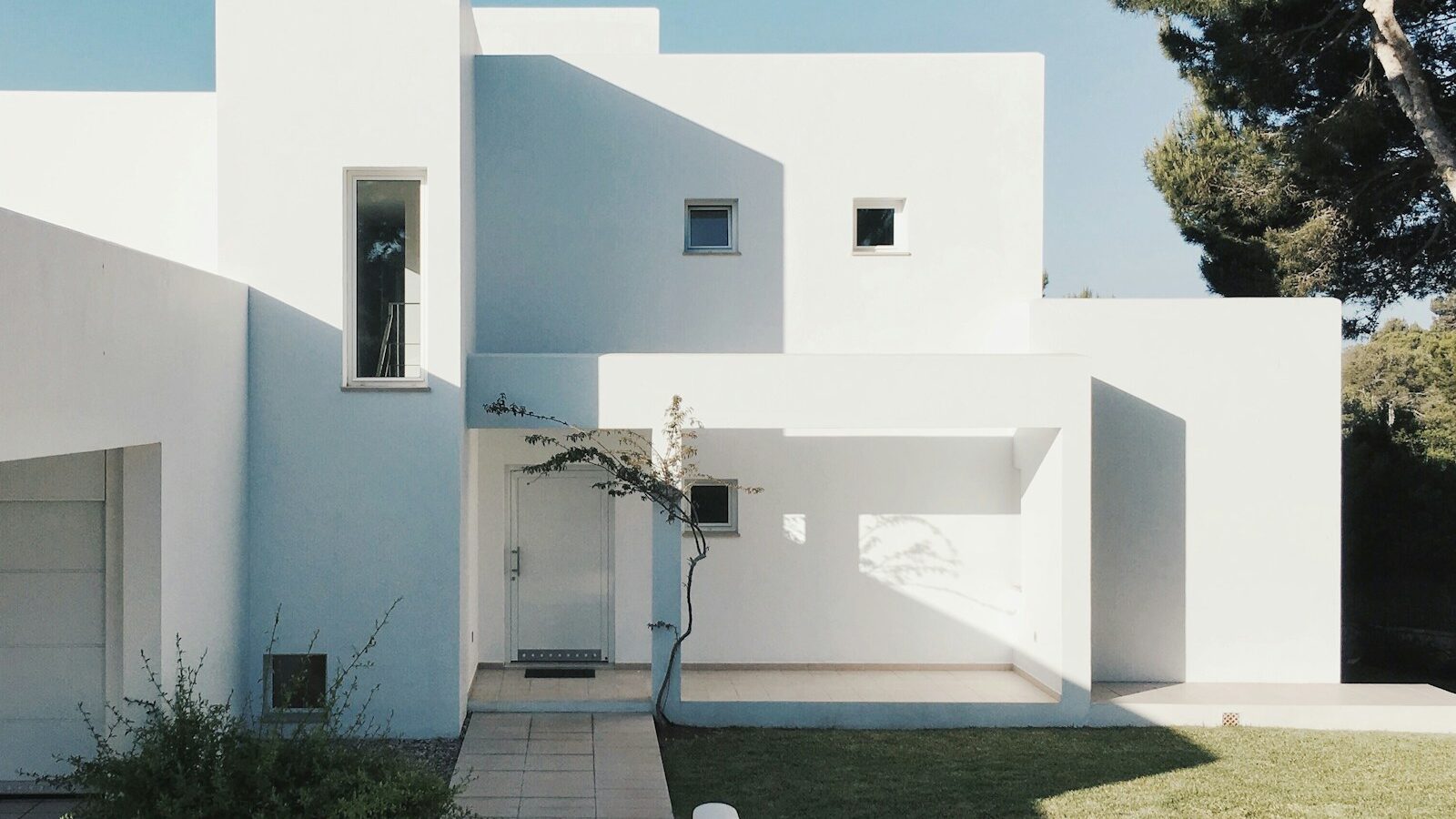
Somewhere between scrolling listings from your current kitchen table and actually unpacking boxes here, almost every buyer hits the same fork in the road. Do you go after a brand-new home in one of the master-planned communities spreading east of the coast, or do you chase an established house closer to the water with a yard full of grown live oaks? Both paths lead to a good life on the Suncoast. They just feel different on the way there, and they cost different things at different moments. This guide walks through the honest tradeoffs so you can match the choice to how you actually want to live.
The geography sets the terms
Start with a map, because location quietly decides a lot of the rest. New construction in this region tends to sit inland and to the east, where there is still open land to plan and build at scale. Many of the newest neighborhoods cluster around the Lakewood Ranch area and the corridors that feed it. Established and resale homes, by contrast, fill the older grids closer to the coast, especially within Sarasota proper and the heart of Bradenton, where the streets were laid out generations ago and the lots filled in long before the current building boom.
That single fact ripples outward. A new build often means more square footage and a newer everything, but a longer drive to the Gulf beaches. An established home may put you minutes from the water and the walkable districts, while asking you to live with smaller closets and a floor plan from another era. Neither is wrong. The question is which daily reality you would rather have.
What new construction does well
Modern floor plans are the obvious draw. Open kitchens that flow into living space, primary suites tucked away from secondary bedrooms, dedicated home offices, and tall ceilings all show up far more often in recent designs than in homes built decades ago. If you work from home or host visiting family from up north, that layout flexibility matters.
There is a less visible advantage that carries real weight in Florida. Newer homes are built to current codes, and current codes reflect hard lessons about wind and water. Roof attachment, window ratings, and structural details on a recent build are generally designed for present-day storm standards. That can influence what you pay to insure the place, which is no small thing here. Our Florida home insurance guide digs into why construction age and features move premiums so much, and it is worth reading before you assume two similar-looking homes will cost the same to cover.
Warranties round out the appeal. A new home usually comes with builder coverage on workmanship and systems for a defined period, plus appliances and mechanicals that are fresh out of the box rather than nearing the end of their service lives. For a buyer who does not want a surprise repair in year one, that peace of mind is genuine.
The catches buyers underestimate
The first is time. Buying new often means buying a build, and a build runs on a schedule you do not fully control. Weather, materials, and permitting can stretch a timeline, so a home that looks ready in the brochure may be months away in reality. If your move has a hard date attached to a job or a lease ending, factor that in early.
The second is the landscape itself. A new community starts young. The trees are saplings, the shade is thin, and the streetscape needs years to fill in. Buyers coming from leafy established neighborhoods sometimes feel the openness more than they expected. Mature canopy is one of the things a resale home gives you that no builder can hand over on closing day.
Then there are the ongoing community costs. Many planned developments carry homeowners association dues, and some also sit within community development district arrangements that fund infrastructure over time. These can support amenities and upkeep that residents value, but they are real line items in your monthly math. Ask exactly what the fees cover, how they have moved historically, and what they are projected to do. Fold the answer into your broader cost of living picture rather than looking at the mortgage in isolation.
What established homes offer
Character is the headline. Older neighborhoods have texture that takes decades to grow, from the canopy roads to the front porches to the simple fact that no two houses are identical. For buyers who find rows of similar facades a little flat, an established street can feel like home in a way a new one has not earned yet.
Location is the practical companion to character. Because the coastal and in-town areas were built out first, resale homes are where you find proximity to beaches, downtown dining, the arts, and the kind of walkability that is hard to engineer from scratch. If being close to the water and the cultural core ranks high on your list, the established market is usually where that wish lives.
Negotiability can favor you too. A resale transaction is a conversation between two parties, and there is often room to discuss price, repairs, closing timing, or included items. Builder pricing tends to be firmer, with incentives steered toward financing or upgrades rather than the bottom-line number. A motivated seller can be more flexible than a sales office.
The maintenance question
An older home is an honest one once you inspect it. Roofs, water heaters, air handlers, and electrical panels all have life spans, and a home built decades ago may be due for several of them. None of this is disqualifying, but it belongs in your budget rather than your blind spot. A thorough inspection tells you what is near the end of its road and what has plenty of life left.
Construction standards from earlier eras are part of the same conversation. A home that predates today's storm codes is not unsafe by definition, yet it may carry different insurance considerations, and updates like a newer roof or upgraded windows can change both your comfort and your premiums. Some buyers love the project of bringing a solid older house up to modern standards. Others want none of it. Knowing which camp you are in clarifies the whole decision.
How to decide for your move
Picture a normal Tuesday a year from now. Are you walking to coffee in an in-town neighborhood, or pulling into a community pool after work in a newer development east of the interstate? Are you energized by the idea of customizing a fresh build, or by restoring a home with a past? The right answer is the one that matches how you actually want your days to feel, not the one that wins on a spreadsheet alone.
Run the full numbers on both, including association and district fees, expected near-term repairs on anything established, and insurance estimates that reflect each home's age and features. Weigh the commute to the places you will visit often. And be honest about your timeline, because a build that is not ready when your lease ends creates a problem no floor plan can solve.
A good next step
If you are still genuinely torn, that usually means your priorities have not been ranked yet, not that the market is confusing. Our community-match quiz is built for exactly this moment. It takes a few minutes and helps surface whether coastal character or new-community convenience fits your life better, then points you toward the parts of the region that line up. From there, a local agent or lender can run real numbers against real listings so the choice stops being abstract. Take it one honest question at a time, and the Sarasota area has a home for either path.



Ready to find your place on the Suncoast?
Take the 60-second quiz to find your community, or talk to a local expert now.