
Save Our Homes and Portability: Florida's Best-Kept Tax Benefit
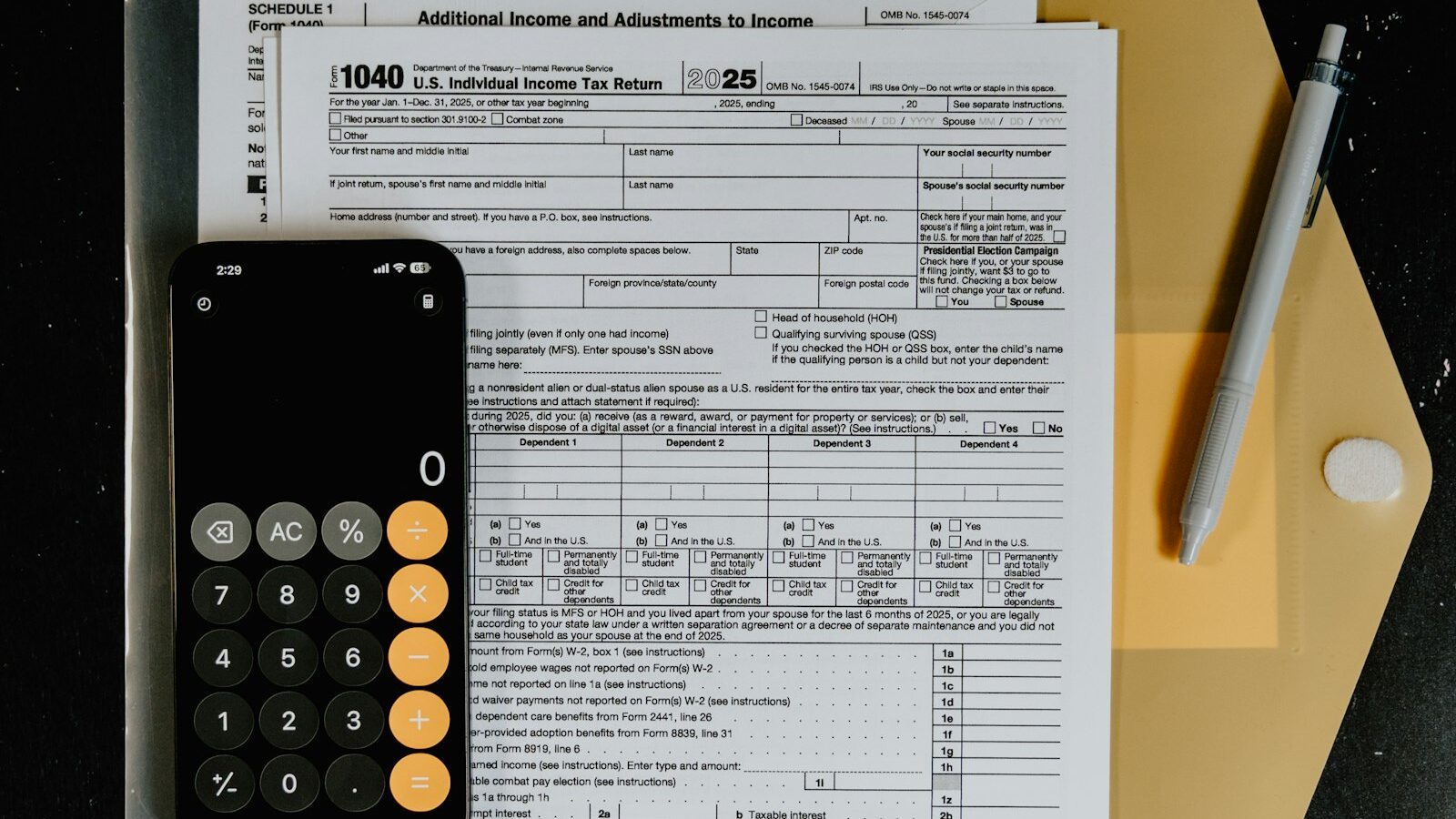
There's a feature of Florida property tax law that quietly saves long-term homeowners enormous amounts of money, and a companion feature that lets them carry that savings to a new house. Together they're called Save Our Homes and portability, and in our experience a surprising number of Florida homeowners either don't know about portability or miss the window to claim it.
If you're already a Florida homeowner thinking about moving within the state, this is probably the most valuable thing you can read before you list. If you're moving here from out of state, it explains why your neighbor's tax bill is a fraction of yours on an identical house.
As always: we're a relocation site, not tax professionals. Verify everything with your county property appraiser and a qualified advisor.
First, the Homestead Exemption
The foundation is the homestead exemption, which reduces the taxable value of your primary Florida residence. Our guide to the homestead exemption covers the mechanics and the application process.
The exemption itself saves you a fixed amount. That's useful. But it isn't the part that produces the dramatic differences you see between neighbors.
Save Our Homes: The Assessment Cap
Here's the real engine. Once your property has the homestead exemption, Florida limits how much its assessed value can increase each year, regardless of what the market does. The cap is three percent or the change in the Consumer Price Index, whichever is lower.
Think about what that means over time. If market values in your neighborhood rise ten percent a year for several years, your assessed value only climbs by up to three percent a year. The gap between what your house is worth and what you're taxed on widens every single year.
That gap is your Save Our Homes benefit. Long-term homeowners in appreciating areas can accumulate benefits worth hundreds of thousands of dollars in assessed value, which translates into thousands of dollars a year in tax savings.
It's also why a newcomer's tax bill can be several times their neighbor's on a nearly identical house. The neighbor has twenty years of capped assessments. You reset to market value the year you bought. This catches out-of-state buyers constantly, because they look at the seller's current tax bill and assume it's what they'll pay. It isn't.
The Reset on Sale
When a homesteaded property sells, the assessed value generally resets to full market value for the new owner in the following tax year. The seller's accumulated benefit does not convey with the house.
But it doesn't just evaporate either. That's where portability comes in.
Portability: Taking It With You
Florida voters approved portability in 2008, and it lets you transfer your accumulated Save Our Homes benefit from your old homestead to your new one, up to a statutory maximum.
The practical effect is substantial. A homeowner with a large accumulated benefit who sells and buys elsewhere in Florida can start their new homestead with a much lower assessed value than the purchase price, which means a much lower tax bill from day one, which then continues to be capped going forward.
Upsizing vs Downsizing
The calculation differs depending on whether your new home is worth more or less than your old one.
If your new home has a higher market value than the one you sold, you can generally transfer the full benefit amount, subject to the statutory cap on transferable benefit.
If your new home has a lower market value, meaning you downsized, you transfer a proportional share rather than the full amount. The formula is based on the ratio of the new home's value to the old one's.
That downsizing rule matters a lot around here, because downsizing is exactly what a large share of our buyers are doing. Our guide to downsizing for empty nesters covers the broader move, but the tax math is worth understanding before you pick the new house.
The Deadlines That Trip People Up
This is the part that costs people money, so read carefully.
Portability is not automatic. You must apply for it, using a specific form, in addition to applying for homestead exemption on the new property. Two separate things.
There's a time limit on how long you have between abandoning the old homestead and establishing the new one. If too much time passes, the benefit is lost entirely. The window has been extended by the legislature over the years, so check the current rule rather than relying on what someone told you five years ago.
There's also an annual filing deadline for homestead exemption, traditionally March 1 for the tax year. Missing it means waiting until the next year.
The combination of these means timing your sale and purchase has tax consequences. If you're selling in December and buying the following spring, understand exactly where you land relative to both clocks before you commit. This is worth an actual conversation with the property appraiser's office, and they're generally helpful.
The Other Cap: Non-Homestead Property
Separately, Florida caps annual assessment increases on non-homestead property at ten percent for most property types, excluding school district taxes. This applies to second homes, rentals, and investment property.
Ten percent is a much weaker protection than three percent, and it doesn't include the school portion of your bill, which is a significant share. Still, it exists, and it's worth knowing if you're buying a vacation rental or second home here.
Note that this cap can reset on certain changes of ownership or use, so don't assume it carries indefinitely.
What This Means Practically
If you're an existing Florida homeowner moving within the state, find out what your accumulated Save Our Homes benefit is before you do anything else. Your county property appraiser's website usually shows both market and assessed value, and the difference is your benefit. Then apply for portability. Do not skip this.
If you're a snowbird converting a second home to your primary residence, establishing homestead starts the clock on your own cap. The sooner you do it, the sooner the benefit begins accumulating. Our guide to going from snowbird to full-time and establishing Florida residency cover the process.
If you're moving here from out of state, you don't get portability from another state, and your first year will be at market value. Budget accordingly. Estimate your bill using the property appraiser's tax estimator with the purchase price, not the seller's current bill. Our guide to Florida property taxes shows how to do that.
A Few Additional Notes
Certain other exemptions stack on top for seniors, veterans, widows and widowers, and people with disabilities, and the additional senior exemption in particular can be meaningful depending on income and the local ordinances in your county. Ask the property appraiser what you might qualify for, since they won't apply it if you don't ask.
Be careful about how you hold title and who occupies the property, since homestead eligibility depends on it being your permanent residence. Renting out your homesteaded property or claiming residency benefits in another state can jeopardize the exemption, and Florida counties do investigate homestead fraud.
And if you make major improvements, the added value is typically assessed at market and then capped going forward, so a large addition will bump your assessment.
The Takeaway
Save Our Homes rewards staying put, and portability makes sure that moving within Florida doesn't punish you for it. The benefit is real money, the application is a form, and the deadlines are unforgiving.
If you're planning a move within Florida and want to understand how the timing interacts with the market, our guide to the best time to buy a home in Sarasota is a good companion read. And if you'd like an introduction to a local Realtor who handles these moves regularly, just reach out.



Ready to find your place on the Suncoast?
Take the 60-second quiz to find your community, or talk to a local expert now.