
How to Establish Florida Residency After Your Move
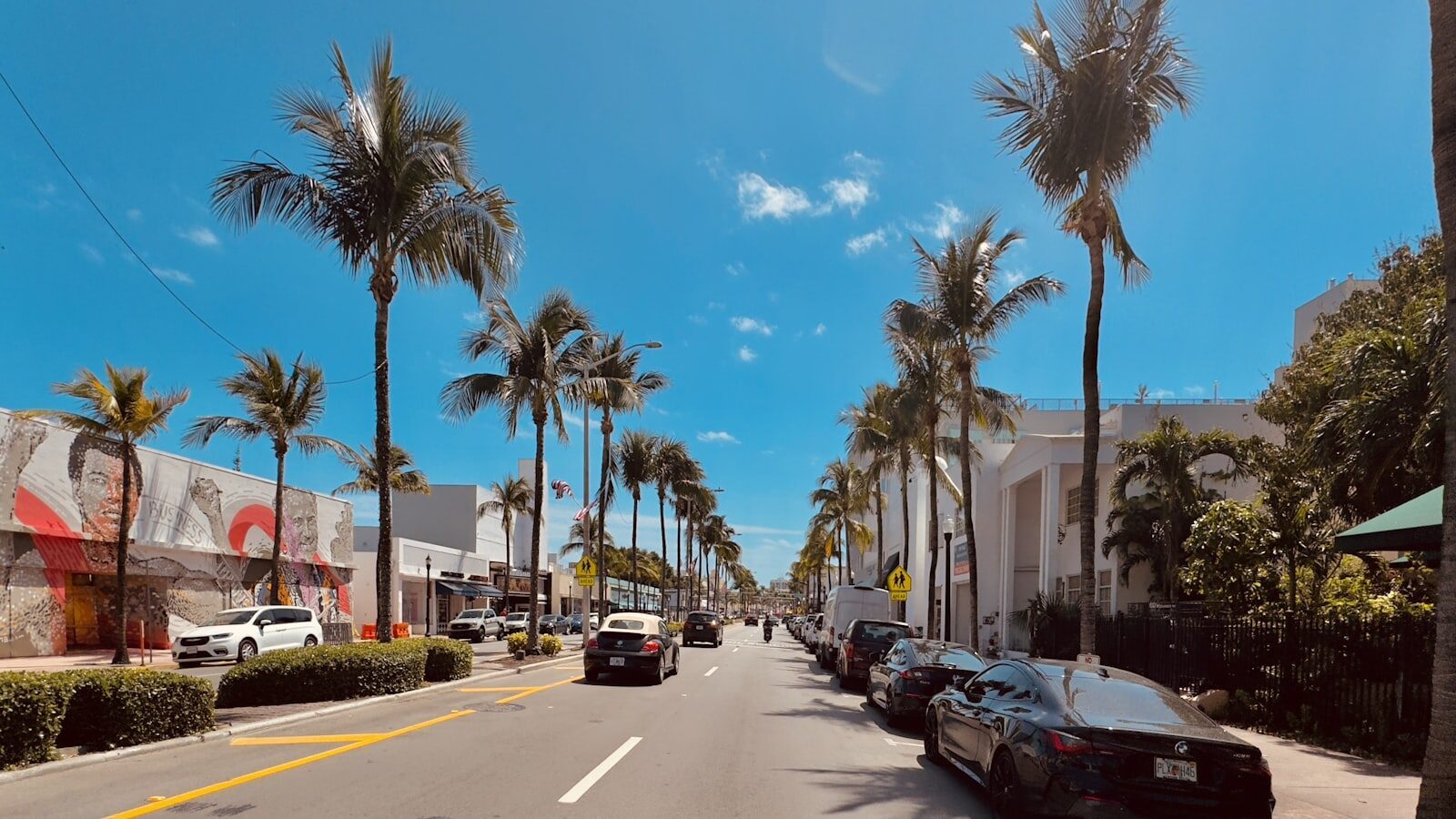
You did it. The truck is unloaded, the boxes are mostly unpacked, and you are waking up to Gulf Coast sunshine instead of whatever your old forecast used to throw at you. Congratulations, and welcome home. There is one more piece of business worth tackling soon after you land, and that is officially becoming a Florida resident. It is not hard, but a few steps really do matter, especially if you are coming from a high-tax state up north.
Quick note before we dig in: we are a relocation connector, not lawyers or accountants. We help people land here and point them to the folks they need. The steps below are general information, not legal or tax advice, so please confirm the current rules with your county offices and a qualified tax professional or attorney before relying on any of it. Rules and deadlines change, and your situation is yours alone.
Why Establishing Residency Actually Matters
People do not just casually mention "Florida residency" at dinner parties for fun. There are real, dollars-and-cents reasons to make it official. The biggest one is simple: Florida has no state income tax. That is right, the state does not tax your wages, your retirement income, or your Social Security. For folks moving from places like New York, New Jersey, Connecticut, or California, that alone can change the math on your whole budget. If you are still running the numbers, our cost of living guide is a good place to see how it all adds up here.
Beyond the income tax piece, becoming a Florida resident unlocks the homestead exemption, which lowers the taxable value of your primary home, caps how fast your assessed value can rise each year, and brings strong creditor protections for your homestead. We have a whole walkthrough in our homestead exemption guide, so we will keep it brief here and focus on the residency steps themselves.
What "Domicile" Really Means
Here is a word you will hear a lot: domicile. It just means the place you consider your true, permanent home, the place you intend to return to. You can own property in several states, but you only have one domicile at a time. That matters because your old state, especially if it is a high-tax one, may not want to let you go quietly.
This is where the rough 183-day idea comes in. As a general rule of thumb, many states look at whether you spend more than half the year, roughly 183 days, inside their borders when deciding whether you still owe them. So spending most of the year actually living in Florida is one of the clearest ways to show this is your real home. Keep it honest and keep it simple: live here, be here, and make Florida the center of your life.
Get Your Florida Driver's License
One of the first official steps is swapping your old license for a Florida one. New residents are generally expected to get a Florida driver's license within a relatively short window after establishing residency, often around 30 days, so do not let this one sit. You will visit a local tax collector office or driver license service center, and you will typically need proof of identity, your Social Security number, and two documents proving your Florida address.
Pro tip from people who have done it: appointments fill up, especially during snowbird season, so book online ahead rather than walking in and hoping. Bring more documents than you think you need. Better to have an extra utility bill in your folder than to drive home and come back.
Register Your Vehicles
Along with your license, your cars need to become Floridians too. New residents are generally required to register out-of-state vehicles within a set period after moving, commonly about 10 days after starting work or enrolling kids in school, whichever rules apply to you. You will usually need the title, proof of Florida auto insurance that meets state requirements, and to have the vehicle's identification number verified.
Florida insurance requirements are different from a lot of other states, so line up your Florida policy before you go in to register. Your insurance agent can walk you through the specifics, and the tax collector office handles the registration and plates.
Register to Vote
Registering to vote in Florida is quick, free, and one of the cleanest signals that you have made this your home. You can register online, by mail, or in person, and you can often handle it at the same time you get your driver's license. It is a small step, but if your former state ever questions your move, a Florida voter registration is solid evidence of where your life is rooted now.
File a Declaration of Domicile
This one is a little less famous but genuinely useful. A Declaration of Domicile is a sworn statement, filed with your county clerk of the circuit court, that says Florida is your permanent home. In our area that means Sarasota County or Manatee County, depending on where you have landed.
It is usually a short form, you sign it before a notary or the clerk, and you pay a modest recording fee. Why bother? Because it creates a clear, dated, official record of your intent, and if you are coming from an aggressive tax state, that paper trail can be worth its weight in gold later. Check your county clerk's website for the current form and fee, since details vary by county.
Update Your Address and Key Accounts
Now for the unglamorous but important housekeeping. The goal is to make your Florida address the address on everything that matters, so your life clearly points here.
- File a change of address with the postal service so mail follows you.
- Update your address with the IRS and your employer.
- Move your banking, credit cards, and investment accounts to your new address.
- Update insurance policies, including health, auto, and home.
- Find new local doctors, dentists, and other providers, and have records transferred.
- Update estate planning documents, like your will and any trusts, so they reflect Florida.
None of these is dramatic on its own, but together they paint the picture: your real life is in Florida now. For a tidy running list, our Sarasota relocation checklist keeps the whole move organized in one spot.
Severing Ties With Your Old State
If you are leaving a high-tax state, this part deserves real attention. Those states would love to keep taxing you, and they sometimes audit people who claim to have moved away. The fix is to genuinely cut the cords, not just on paper but in practice. Spend your time here, not there, give up resident perks tied to your old state where you can, and treat any home you kept up north like the second home it now is.
The cleaner and more consistent your story, the better. Your license, voter registration, Declaration of Domicile, address changes, and where you actually spend your days should all tell the same tale. If your old state is known for chasing former residents, please talk with a qualified tax professional or attorney who handles this kind of thing.
Apply for the Homestead Exemption
Once Florida is your permanent home and you own and live in the property as your primary residence, you can apply for the homestead exemption through your county property appraiser. There is a filing deadline early in the year, and you generally need to have been living in the home as your permanent residence by a certain date to qualify for that tax year, so do not put it off.
The savings are real and recur every year, so this is one box you definitely want to check. We cover the eligibility details, deadlines, and the assessment cap in our homestead exemption guide. And if you have not bought yet and are still renting while you get the lay of the land, our guide to buying a home from out of state walks through that whole journey.
You Are Almost There
Becoming a Florida resident is mostly a matter of doing a handful of small, official things and then simply living your life here. License, registration, voter card, Declaration of Domicile, address updates, and the homestead exemption. Tackle them in the first few weeks and you can settle in knowing it is all squared away.
If you are still figuring out which corner of the Suncoast feels most like home, take our community matching quiz and we will point you toward the neighborhoods that fit your life. Welcome to Florida. We are genuinely glad you are here.



Ready to find your place on the Suncoast?
Take the 60-second quiz to find your community, or talk to a local expert now.