
The Florida Homestead Exemption, Explained for Newcomers
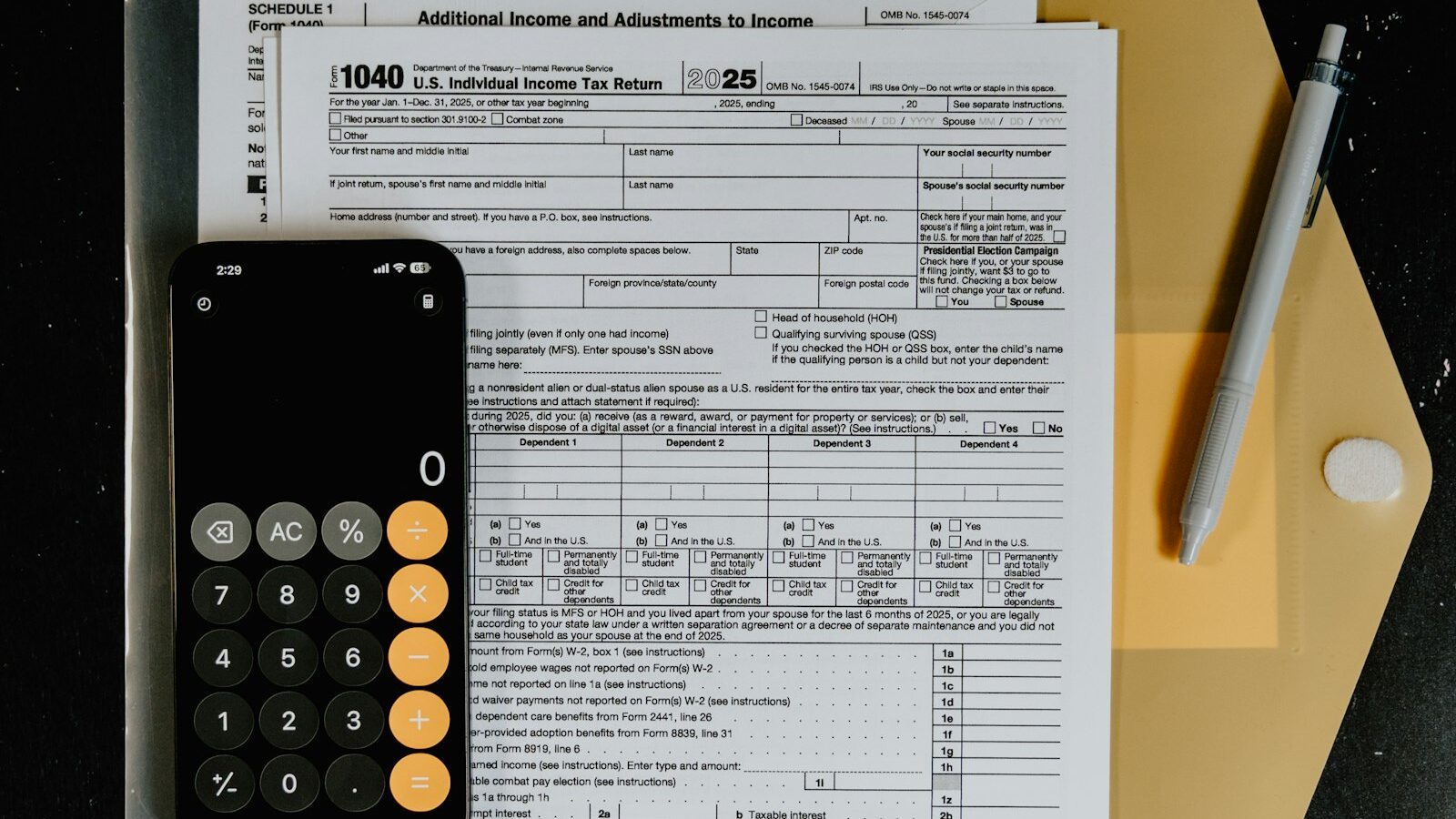
One of the first pleasant surprises for people moving to the Sarasota area is how much Florida does to protect homeowners who live in their property full time. The state has no income tax, and it also gives primary residents a couple of meaningful breaks on property taxes. The two big ones are the homestead exemption and the Save Our Homes assessment cap. If you are relocating from out of state, these terms probably sound like fine print. They are not. Understood early, they can lower your annual tax bill and keep it from climbing too fast in the years ahead.
This guide walks through what these programs actually do in plain English, who tends to qualify, and the general steps for claiming them. A quick note before we start: this is general information for newcomers, not legal or tax advice. Rules, dollar amounts, and deadlines change, and they vary by situation. Always confirm the current specifics with your county property appraiser before you rely on anything here.
What the homestead exemption actually does
At its core, the homestead exemption shields a portion of your primary residence's assessed value from property tax. Your home has a value the county assigns for tax purposes, and the exemption removes a slice of that value from the calculation. Because you are taxed on a smaller number, your annual bill comes out lower than it would without the exemption.
The key word is primary. This benefit is meant for the home you actually live in as your permanent residence, not a vacation condo, a rental, or a second home you visit a few weeks a year. For people moving to Sarasota, Bradenton, or Lakewood Ranch to put down roots, that distinction usually works in your favor. The exemption is one of the reasons the day-to-day numbers here can feel friendlier than buyers expect, which is something we dig into more on our cost of living overview.
Save Our Homes: the cap that keeps your bill steady
The homestead exemption lowers your starting point. The Save Our Homes cap protects you over time. Once your home has the homestead exemption in place, Save Our Homes limits how much the assessed value the county uses can rise from one year to the next. Even in a hot market where home prices jump, the taxable value of your homesteaded property can only climb by a capped amount each year.
Think of it as a brake on your tax bill. Market value might surge, but the value you are actually taxed on rises slowly and predictably. Over several years that gap can grow large, and it is a big reason long-time Florida homeowners often pay far less than a brand-new buyer next door whose home has not yet built up that protection. Budgeting becomes easier when you know your assessed value cannot spike overnight.
Who generally qualifies
In broad terms, the homestead exemption is for people who own a home in Florida and make it their permanent, primary residence as of the qualifying point in the year. You generally need to hold legal title to the property and genuinely live there as your main home rather than treating it as an investment or seasonal place.
Establishing Florida as your true home usually involves the ordinary signs of putting down roots: a Florida driver license, vehicle registration here, voter registration, and using the address as your permanent one. The exact documentation a county wants can vary, so check what your property appraiser asks for. If you are still mapping out the larger move, our Sarasota relocation checklist lays out the residency steps in the order most people tackle them.
How and when to file
The exemption is not automatic. You have to apply for it, and you apply through your county property appraiser, not the tax collector and not the seller. Sarasota County and Manatee County each have their own property appraiser office, and Lakewood Ranch straddles parts of both, so make sure you are working with the right county for your specific address.
There is a deadline to file for a given tax year, and missing it generally means waiting until the following year to get the benefit. Counties typically let you apply online, by mail, or in person, and they will ask for proof that the home is your permanent residence. Because the exact deadline and the documents required can change, do not guess. Look up the current filing window directly on your county property appraiser's website or call their office. Filing on time is one of the simplest, highest-value tasks on any new homeowner's list here.
The trap newcomers fall into: the seller's tax bill is not yours
This is the single most important thing to understand, and it catches a lot of out-of-state buyers off guard. When you are shopping for a home and you see the current property taxes listed, that number reflects the seller's situation, not yours. If the seller owned the home for many years with the homestead exemption and Save Our Homes protection, their assessed value may be far below what the home is worth today.
When the property sells, it generally gets reassessed closer to current market value. That means your tax bill as the new owner can be noticeably higher than the figure shown on the old listing, sometimes by a wide margin. Do not budget based on the seller's taxes. Instead, ask your real estate agent or the county property appraiser to help you estimate what the taxes will likely look like after the sale, with your own homestead exemption factored in. Building that realistic number into your plan is exactly the kind of thing we cover in our 2026 cost of living breakdown so the figure on closing day does not surprise you.
A quick word on portability
If you already own a homesteaded home in Florida and you are moving to another Florida home, you may be able to carry some of your accumulated Save Our Homes savings with you. This is known as portability, and it can soften the tax hit when you upsize or relocate within the state. For most people reading this from out of state, portability will not apply on your first Florida purchase, but it is worth knowing about for any future move within Florida. As always, the specifics and limits are something to verify with your county property appraiser.
Putting it together
The homestead exemption lowers your taxable value, Save Our Homes keeps it from climbing too fast, and together they reward people who make the Suncoast their real home. The two habits that matter most are filing on time with the correct county property appraiser and budgeting from a realistic post-sale tax estimate rather than the seller's old bill. Confirm every current figure and deadline with your county office, since this guide is general and the details shift over time.
If you are weighing Sarasota, Bradenton, and Lakewood Ranch and want a sense of which fits your life and budget, take our quick community-match quiz. And when you are ready to nail down the real numbers for a specific home, reach out and we will point you toward a local expert who can run them with you.



Ready to find your place on the Suncoast?
Take the 60-second quiz to find your community, or talk to a local expert now.