
Where to Buy a Vacation Rental in the Sarasota Area
Most people shopping for a vacation rental on the Suncoast start with the wrong question. They ask which neighborhood is prettiest, or where the beach is closest, or which condo has the best view. Those things matter, but they are not what makes a short-term rental work. The thing that actually decides whether a property can earn as a vacation rental is a much narrower target: the place where the rules permit short stays and the visitor demand is genuinely there at the same time.
You can find gorgeous homes where nightly rentals are flatly banned. You can also find areas where weekly rentals are perfectly legal but tourists rarely look. Neither one pays. The job, before you fall for any single listing, is to learn how to spot the overlap.
Start With the Overlap, Not the Property
Think of two circles. One circle is legality: where local zoning, county rules, and any HOA or condo association actually allow rentals shorter than a long-term lease. The other circle is demand: where visitors genuinely want to stay, usually because they can walk to the water, dining, and the things that brought them to Florida in the first place.
A property only works as a vacation rental when it sits inside both circles. A beautiful house that fails the legality test is a personal home, not an income property. A perfectly legal rental in a spot tourists ignore is a long-term landlord situation wearing a vacation-rental costume. The whole search comes down to finding addresses that satisfy both at once, and then confirming the specifics for that exact unit.
Because legality is the half people underestimate, it is worth reading our deeper breakdown of how short-term-rental rules work across the Sarasota area before you tour anything. The patterns below will make far more sense once you understand why two homes a mile apart can have completely different rules.
The Strongest Candidates Are Tourist-Facing and Multi-Family
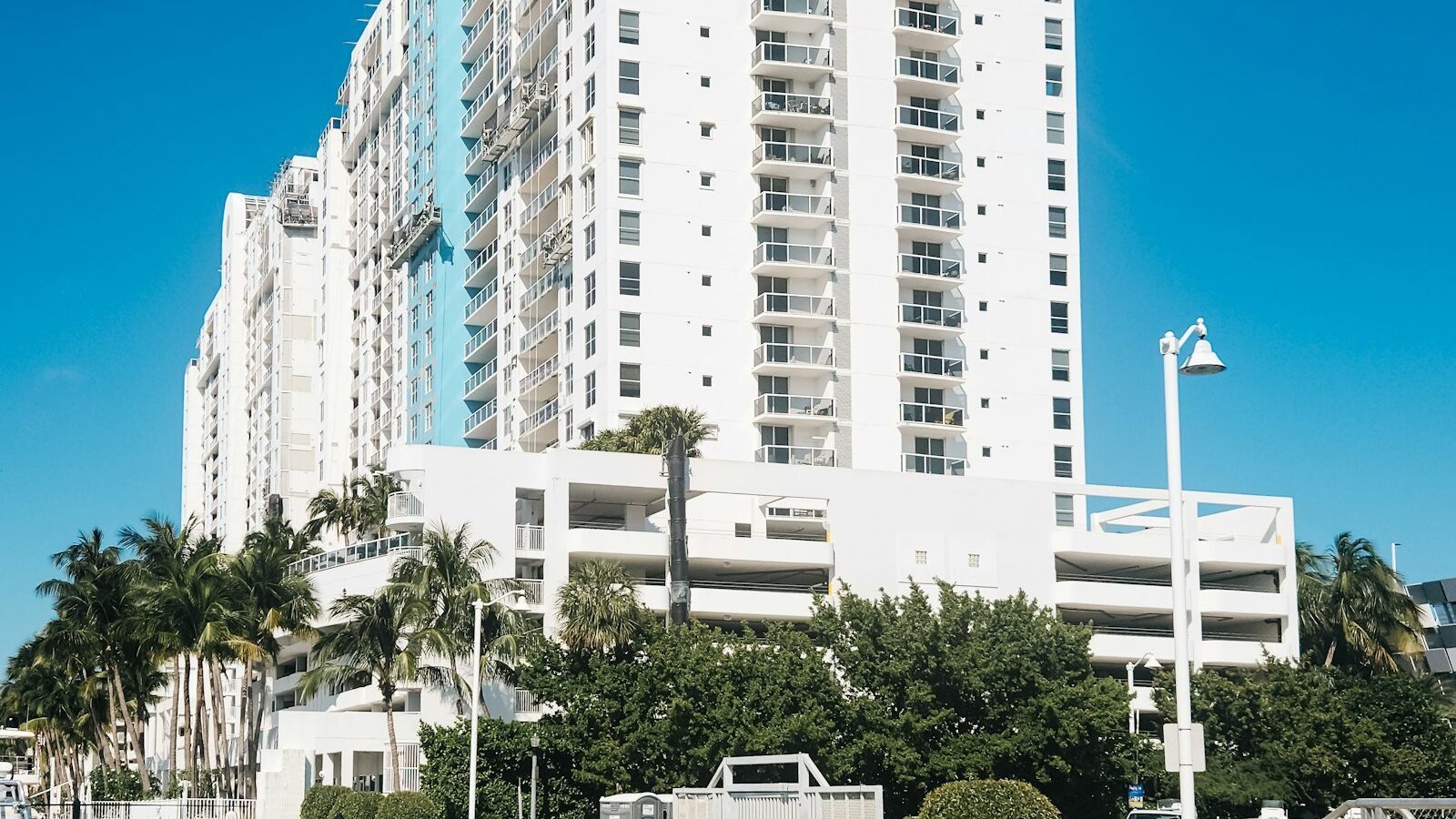
If you map where the two circles overlap, the same kinds of property keep showing up. They tend to be tourist-oriented rather than tucked into quiet residential pockets. They are frequently condos or other multi-family buildings rather than detached houses. And they sit close to the beach, where visitor interest is strongest and where the zoning that permits shorter stays is more common.
There is a reason multi-family keeps appearing. In the City of Sarasota and in several of the island communities, the zoning categories that allow more frequent turnover are often the multi-family residential designations, sometimes written as RMF in the city code. Those areas were planned for higher density and a mix of uses, which is also why they cluster near commercial corridors and the water. That overlap of permissive zoning and built-in foot traffic is exactly what you are hunting for.
If you are weighing a unit in a building against a freestanding home, our comparison of a condo versus a house for short-term renting in Sarasota walks through the tradeoffs in more detail, including how association rules tend to differ from one to the other.
Where to Look: Barrier Islands
The barrier islands are the first place most investors look, and for good reason. These are the slim strips of land between the mainland and the Gulf, and they hold much of the region's visitor draw. The catch is that the islands are not one jurisdiction with one rulebook. Different islands and even different stretches of the same island fall under different governments, which means the rental rules can change as you drive.
On the barrier islands, the practical question is usually not whether tourists want to be there. They do. The question is whether the particular building you are looking at sits in a zoning category that permits the stay length you want to offer, and whether its condo or community association adds restrictions on top of the public rules. Island associations are often stricter than the underlying zoning, and that layer is easy to miss.
Because the island picture is genuinely its own subject, we keep a dedicated guide to short-term-rental rules on the barrier islands. Read it alongside this one if islands are where your search is pointing.
Where to Look: The City of Sarasota and the Manatee Beach Towns
Beyond the islands, two more pockets tend to land inside the overlap. The first is within the City of Sarasota itself, in the zones that allow rentals of roughly a week or longer. The city has its own rules separate from the surrounding county, and certain areas permit shorter stays than the county default. Those city zones, especially the ones near the water and the downtown energy, can combine real visitor interest with rules that allow more turnover than a typical residential street.
The second is the beach towns to the north, in Manatee County, where several small island and coastal communities have long histories as vacation destinations. These towns grew up around tourism, so the demand side is rarely the problem. As always, the rules vary town by town, and a few have moved to tighten things in recent years, so the specifics matter more than the reputation.
In both cases, the pattern holds: look where the place was built to host visitors, then confirm that the rules for your exact spot still allow it. You can get a broader sense of how these areas fit together on our Sarasota area overview.
Why Inland and Master-Planned Homes Usually Do Not Work
It is tempting to chase a newer, cheaper house inland, where your money buys more square footage. For a vacation rental, this is usually where the plan quietly falls apart. Two forces work against you.
First, much of the county outside the permissive zones carries a minimum rental period, frequently a month or longer. A 30-day minimum is not a vacation rental in any practical sense. It is closer to a furnished long-term lease, which is a different business with different economics and different guests.
Second, the master-planned and gated communities that dominate the inland growth corridors tend to govern themselves through homeowners associations, and those associations very commonly restrict or outright ban short-term rentals. They are designed to feel like stable neighborhoods, and frequent guest turnover is precisely what their rules are written to prevent. Even where the public zoning might allow a shorter stay, the HOA can shut it down on its own authority.
So the inland single-family home that looks like a bargain often cannot legally do the one thing you bought it for. That does not make it a bad property. It just makes it the wrong tool for this particular job.
Seasonality: The Demand Side Has a Calendar
Even inside the overlap, demand is not flat across the year. The Gulf Coast runs on a strong winter season, when colder-weather visitors and longer-staying snowbirds head south. That stretch is when interest peaks, and it shapes how the best rental areas actually perform.
This has real consequences for how you evaluate an area. A spot that feels quiet on a humid summer afternoon may be the same spot that fills up months later. The seasonal swing also rewards properties and locations that can attract the longer winter stays, not only the short summer getaways. When you compare candidate areas, picture them across the whole calendar rather than on the day you happen to tour.
Seasonality is also why generic occupancy claims are worth ignoring. What an area does in February tells you little about what it does in August, and a single headline number blurs both. Look at the rhythm, not the average.
Always Verify the Exact Property's Rules
Here is the part no map or article can do for you. Every pattern above is a starting point for where to look, not a guarantee about any single address. Two units in the same zip code, even the same building, can carry different rules once you account for the precise zoning line they fall on and the association documents that govern them.
Before you make an offer with rental income in mind, confirm three things for that specific property: the local zoning designation and the stay lengths it permits, any county or city registration or licensing requirements, and the full association rules if a condo or HOA is involved. Get those in writing. A spot that looks perfect on paper can be quietly off-limits, and the only way to know is to check the actual unit rather than the neighborhood's reputation.
Treat the legality circle as a hard gate. If a property cannot clear it, the view and the demand do not matter.
Where to Take It From Here
Finding where to buy a vacation rental on the Suncoast really is this simple to state and this demanding to execute: locate the overlap of permissive rules and genuine demand, lean toward the tourist-facing multi-family and beach-adjacent properties where that overlap tends to live, steer clear of the inland and gated homes where the rules usually say no, account for the winter-weighted calendar, and verify every detail on the exact property before you commit.
If you are not yet sure which corner of the region fits your goals and budget, our community-match quiz is a quick way to narrow the field and point you toward areas worth a closer look. And when you are ready to pressure-test a specific building or zoning question, a local expert who works these neighborhoods every day can save you from an expensive surprise. Either way, start with the overlap, and let the right property reveal itself from there.



Ready to find your place on the Suncoast?
Take the 60-second quiz to find your community, or talk to a local expert now.