
Permits and Renovations in Sarasota and Manatee Counties
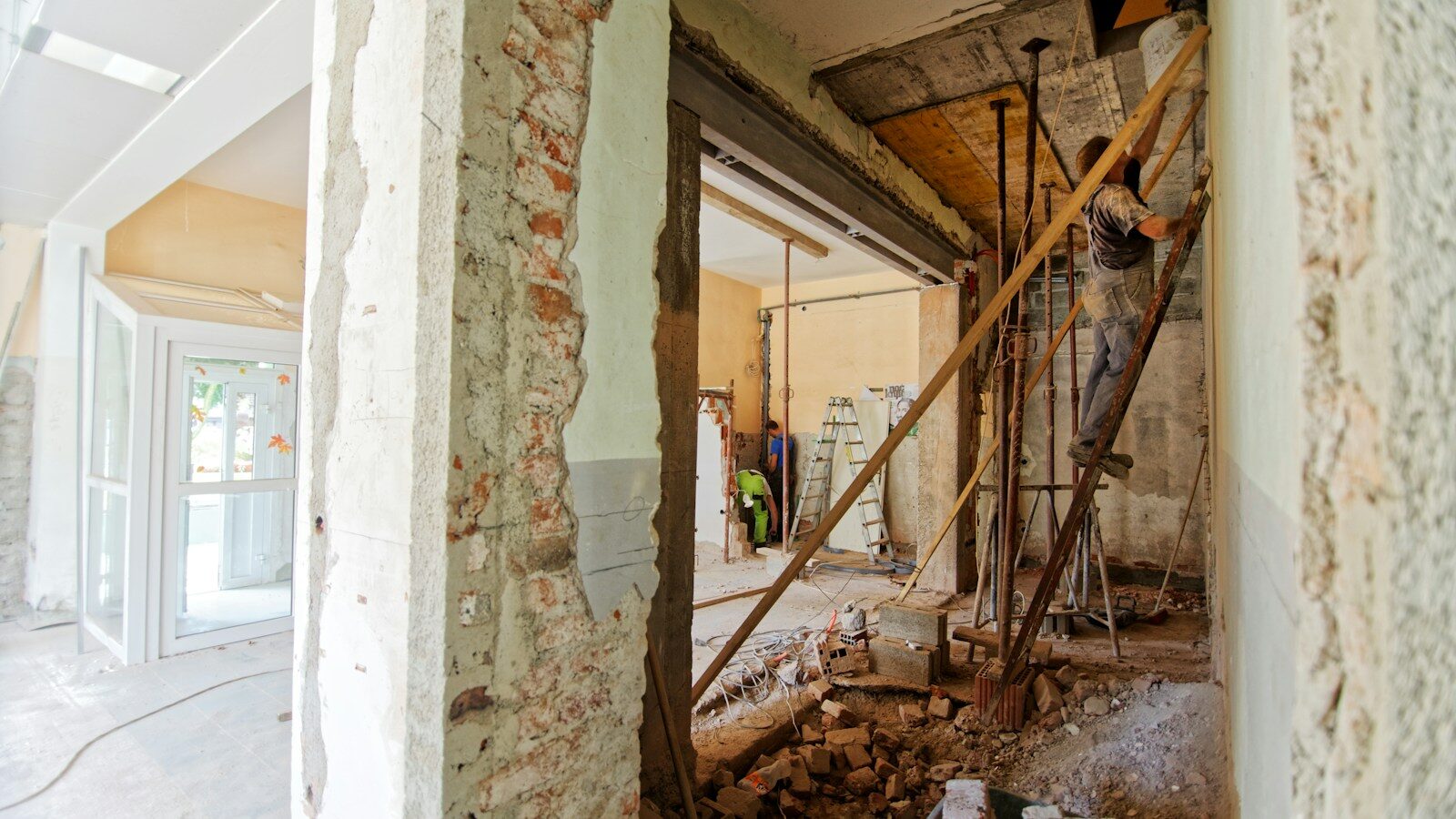
Renovating in Florida involves a layer of process that surprises people from states with lighter regulation. Our building code is among the most demanding in the country, for good reason, and the permitting that enforces it applies to more work than most homeowners expect.
Understanding it matters in two directions: for work you're planning, and for work someone did before you bought the house.
We're a relocation site, not licensed contractors or code officials. Requirements vary between jurisdictions and change. Verify with your county or city building department for your specific project.
What Needs a Permit
The list is longer than most people assume. Generally speaking:
Roofing. Any reroof or significant repair. Always.
Structural changes. Removing or altering walls, adding on, changing openings, altering the roof line.
Windows and doors. Replacement typically requires a permit because impact resistance and attachment must meet code. This catches people constantly.
Electrical, plumbing, and mechanical. Panel changes, rewiring, repiping, and HVAC replacement generally require permits and licensed trades.
Pools, spas, and pool cages. Including barrier and safety requirements.
Lanai and porch enclosures. Converting a screened lanai into air-conditioned living space is a substantial permitted alteration, and doing it without a permit is extremely common and extremely problematic.
Sheds and accessory structures above certain sizes.
Fences, docks, and seawalls in most cases, with docks and seawalls often involving additional environmental review.
Solar installations. Our guide to solar in Florida covers why this matters for insurance too.
Generally exempt: paint, flooring, cabinets and countertops without plumbing or electrical changes, and like-for-like fixture swaps. When in doubt, call the building department. They'll tell you, and the call is free.
Why Unpermitted Work Is Your Problem
Here's the part that matters most for buyers. When you purchase a home with unpermitted work, you generally inherit the problem.
The consequences show up in several ways.
Insurance. Carriers can deny claims related to unpermitted work, and in some cases the existence of it affects underwriting. A lanai enclosure done without a permit that fails in a storm is a bad conversation to have with an adjuster.
Resale. Your future buyer's inspector or lender may flag it. Appraisals may not credit unpermitted square footage. Some lenders won't finance homes with open or unresolved permit issues.
Enforcement. The county can require you to bring the work into compliance or remove it, which may mean opening walls for inspection or tearing something out entirely.
Open permits. A related and very common problem: a permit was pulled, work was done, and it was never finalized with a final inspection. That leaves an open permit on the property indefinitely, and it becomes an obstacle at sale.
Check Permit History Before You Buy
This is easy and almost nobody does it. Both counties make permit records searchable online by address. Look up the property and compare what's on record against what's actually there.
Red flags: a house with an obvious addition and no addition permit. An enclosed lanai counted as living space with no permit. A roof that looks newer than the last roofing permit. Open permits with no final inspection.
If you find something, raise it during your inspection period while you still have leverage. The seller may be willing to resolve it, credit you, or you may decide to walk. Our guides to making an offer and home inspections in Florida cover the timing.
The Rule That Turns Remodels Into Rebuilds
This one is critical for anyone buying an older home in a flood zone with renovation plans, and it catches people badly.
Under federal flood program requirements adopted into local floodplain ordinances, if you make improvements to a structure in a special flood hazard area whose cost equals or exceeds fifty percent of the structure's market value, the work is considered substantial improvement. The same test applies to repairs after substantial damage.
When that threshold is crossed, the entire structure generally must be brought into compliance with current floodplain requirements, which typically means elevating it above base flood elevation.
The practical effect: a plan to gut and renovate a 1960s canal home can turn into a requirement to raise the whole house, which may make the project economically impossible.
Jurisdictions also track cumulative improvements over defined periods in some cases, so a series of smaller projects can add up.
If you're buying an older home in a flood zone with the intention of renovating substantially, talk to the floodplain administrator at the county before you close. They will tell you how the rule applies. This conversation has saved people from very expensive mistakes.
Our guides to flood zones and evacuation zones and flood insurance cover the related ground.
Wind Zones and the Building Code
Florida's building code sets wind load requirements that vary by location, with higher requirements closer to the coast. Any permitted work has to meet current standards for that location.
That's why window replacement requires impact-rated or otherwise protected assemblies in most of our area, and why a reroof includes deck attachment and secondary water resistance requirements that didn't exist decades ago.
The upside is that permitted work improves your insurance position. A properly permitted reroof and window replacement can materially reduce your premium through mitigation credits. Our guide to wind mitigation and four-point inspections explains how the credits work, and shutters versus impact windows covers the opening protection decision.
Keep every permit and final inspection record. That paperwork is what documents your mitigation features and what reassures your future buyer.
How the Process Works
Typically: your contractor prepares plans and applies, the building department reviews, the permit is issued, work proceeds with inspections at defined stages, and a final inspection closes it out. For larger projects you may need engineering or architectural drawings.
Timelines vary with workload. After a major storm, permit offices get backlogged significantly. Season also affects contractor availability more than permit processing.
The Permit Should Be in the Contractor's Name
Worth repeating from our guide to hiring a contractor, because it matters so much. If a contractor asks you to pull an owner-builder permit for work they're performing, decline. It shifts liability to you and usually signals they can't pull it themselves.
Owner-builder permits are legitimate for homeowners genuinely doing their own work on their own homestead, subject to specific rules and limitations. They are not a workaround for hiring unlicensed help.
HOA Approval Is Separate
If you're in a deed-restricted community, you likely need architectural review committee approval in addition to a county permit. These are entirely separate processes and approval from one doesn't imply the other.
HOA review can cover exterior paint colors, roof material and color, landscaping, fences, screen enclosures, driveway modifications, solar panel placement in some cases, and more. Submit early, because review committees often meet monthly.
Doing work without HOA approval can result in being required to undo it, plus fines. Our guide to HOAs and deed restrictions covers the dynamics.
Historic districts add another layer entirely. Our guide to Laurel Park and the Rosemary District covers what that means in practice.
Renovating Smartly Here
A few things worth knowing about what works in this climate.
Moisture management matters more than in most places. Ventilation, proper flashing, and vapor control are not optional details here. Improper work creates mold problems quickly.
Materials that do fine up north can fail here. Sun, humidity, and salt air are hard on finishes, fasteners, and anything organic. Ask contractors what holds up locally.
Energy efficiency work has a better payback here than most places because cooling load is so high. Insulation, duct sealing, and shading deliver real returns. Our guide to summer electric bills covers why.
And if the roof is anywhere near end of life, do it first, before anything else. Everything downstream depends on it, and your insurance does too.
The Short Version
Pull permits. Verify permit history before buying. Check the substantial improvement rule before planning a major renovation in a flood zone. Get HOA approval separately. Keep all the paperwork.
It's more process than you're used to, and it exists because of what the weather does here. Our guides to building a new home in Sarasota and new construction versus resale cover the alternative path.



Ready to find your place on the Suncoast?
Take the 60-second quiz to find your community, or talk to a local expert now.