
Home Inspections in Florida: What Buyers Should Know
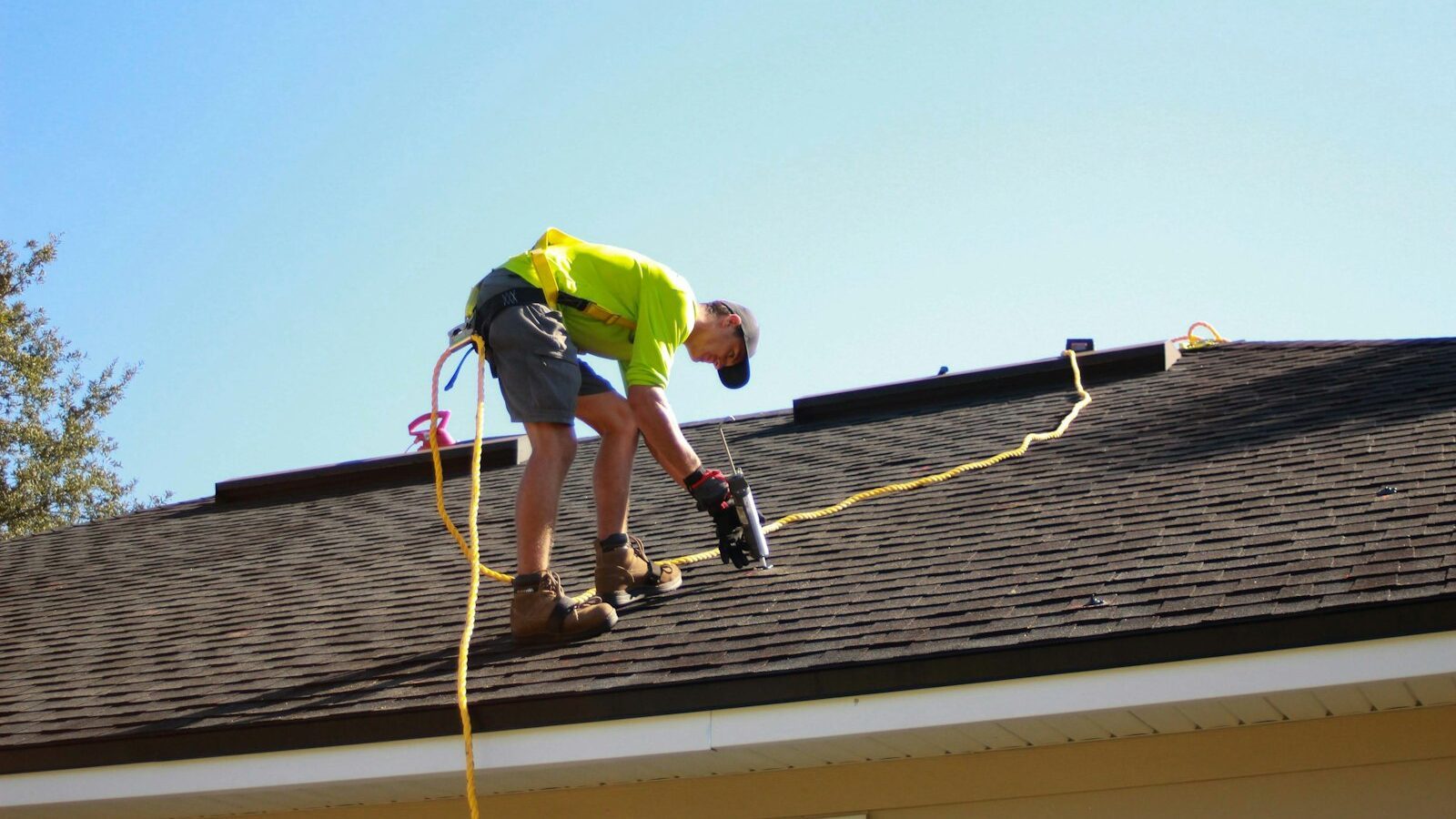
If you are buying a home on the Suncoast, inspections are one of the most important steps in the process, and they work a little differently here than they might back home. In a lot of states, you get one general inspection and you are done. In Florida, there is a small family of inspections that come up, and several tie directly to whether you can get affordable insurance. We want you to walk into your inspection period knowing what each one is and why it matters.
Quick note before we dig in: this is general information to help you ask good questions, not professional advice. Always use a licensed Florida inspector and confirm the specifics for your home and insurer.
The General Home Inspection
This is the big one, and the inspection most buyers already know about. A licensed home inspector walks the entire property and gives you an honest, top-to-bottom assessment of its condition. They look at the structure, roof, attic, electrical, plumbing, HVAC, appliances, windows and doors, and the general state of things inside and out. You usually get a detailed written report with photos, and most inspectors are happy to have you tag along so you can see issues with your own eyes and ask questions in real time.
The goal is not to find a perfect house, because no house is perfect. It is to understand what you are buying. A good report tells you what needs attention now, what to budget for later, and whether anything is serious enough to renegotiate or walk away. We always tell buyers to read the whole thing, not just the summary.
The Florida Specialties
Here is where Florida gets its own personality. Because of our climate, our storms, and the age of a lot of our housing stock, insurers ask for inspections buyers from up north have often never heard of. The good part is that these are not just hoops to jump through. Several can actually lower your insurance bill, sometimes by a lot. Let's go through them.
Wind Mitigation Inspection
This one is our favorite, because it can genuinely save you money. A wind mitigation inspection documents the features that help a home stand up to high winds. The inspector looks at things like the roof shape, how the roof is attached to the walls, whether there are hurricane straps or clips, the roof covering, and whether the home has impact-resistant windows or shutters.
Why does this matter to your wallet? Florida insurers offer credits for these wind-resistant features, and those credits can knock a meaningful chunk off your premium. A home with modern roof-to-wall connections and a newer roof can qualify for discounts that add up to real money every year. We have seen the report pay for itself many times over, so if you take nothing else from this guide, remember to ask for one. To see how these credits fit the bigger picture, our Florida home insurance guide walks through the whole cost equation.
Four-Point Inspection
The four-point inspection focuses on, you guessed it, four key systems: the roof, electrical, plumbing, and HVAC. It is shorter and more targeted than a full general inspection, and insurers often require it on older homes, frequently those over about 30 years old, before writing or renewing a policy.
The reason is simple. Those four systems are the ones most likely to fail, cause damage, or trigger a claim. An insurer wants to know the wiring is not outdated, the plumbing is not prone to leaks, the HVAC works, and the roof has life left in it. If you are buying an older home, there is a good chance your insurer will ask for a four-point before they hand you a policy, so plan for it early rather than scrambling near closing.
Roof Inspection and Roof Age
Roofs deserve their own conversation in Florida, because they are the single biggest insurance sticking point for a lot of buyers. Insurers care deeply about roof age and condition, and many simply will not write a policy on a roof that is too old, regardless of how the rest of the home looks. Thresholds vary by company, but an aging roof can make insurance harder to find and pricier when you do.
A dedicated roof inspection, or the roof portion of your other reports, documents the material, age, remaining useful life, and any existing damage. If the roof is near the end of its life, you want to know before closing, because you may be able to negotiate a credit, a replacement, or a price adjustment. Going in with clear eyes here can save you a very expensive surprise.
WDO and Termite Inspection
The WDO inspection, which stands for wood-destroying organism, checks for termites and other critters that quietly eat away at a home's wood. Our warm, humid climate is paradise for these pests, so this carries more weight here than in colder regions. The inspector looks for active infestations, past damage, and conditions that invite trouble, like wood touching soil or excess moisture.
Termite damage can be expensive and sneaky, and lenders sometimes require a clean WDO report on certain loan types. Even when it is not required, we think it is worth doing. Finding a termite problem during your inspection period is a manageable negotiation. Finding it a year after you move in is a much bigger headache.
How This All Ties to Affordable Insurance
Here is the thread that runs through all of this. In Florida, your inspections and your insurance are deeply connected. Insurers use these reports to decide whether to cover your home and at what price. A wind mitigation report can earn you discounts. A four-point report can be the difference between getting a policy and getting turned away. Roof age can make or break your premium. None of this is true to the same degree in most other states, which is why out-of-state buyers are often surprised.
The practical takeaway is to think about insurance and inspections together, not one after the other. Shop for quotes during your inspection period, share the relevant reports with your insurer, and you will get a much more accurate picture of your true monthly cost. If you are moving here from elsewhere, our guide to buying a home in Florida from out of state covers how to line all of this up remotely.
What to Expect During the Inspection Period
Once your offer is accepted, you enter the inspection period, a window written into your contract for getting these inspections done. It usually runs a week or two, though it is negotiable. Move quickly and stay organized: book your general inspector right away, then layer in the Florida-specific inspections that apply to your home. If something significant turns up, you can often renegotiate the price, ask the seller to make repairs, or, depending on your contract terms, walk away.
Read every report, ask questions, and keep your real estate agent in the loop so they can help you weigh your options. A good local agent has been through this many times and can tell you when an issue is normal wear and when it is a real red flag.
Why Skipping Inspections Is Risky
In a competitive market, buyers sometimes feel pressure to waive inspections to make their offer more appealing. We understand the temptation, but we will be straight with you: skipping inspections in Florida is a real gamble. You could end up owning a home with a failing roof, hidden termite damage, or systems an insurer will not cover, and by then you have very little leverage to do anything about it. Inspections are a small, upfront cost that protect a very large purchase. If you are weighing offer strategy, talk it through with your agent and lender first.
Ready to Take the Next Step?
Inspections can feel like a lot, but they come down to understanding the home you are about to buy and lining up the coverage you will need to protect it. With the right inspectors and a local team in your corner, it is very manageable. When you are ready, connect with a trusted local real estate agent who knows the Suncoast, or take our community matching quiz to zero in on the neighborhood that fits you best. We are glad to help you find your place here.



Ready to find your place on the Suncoast?
Take the 60-second quiz to find your community, or talk to a local expert now.