
Solar Panels in Florida: Are They Worth It on the Gulf Coast?
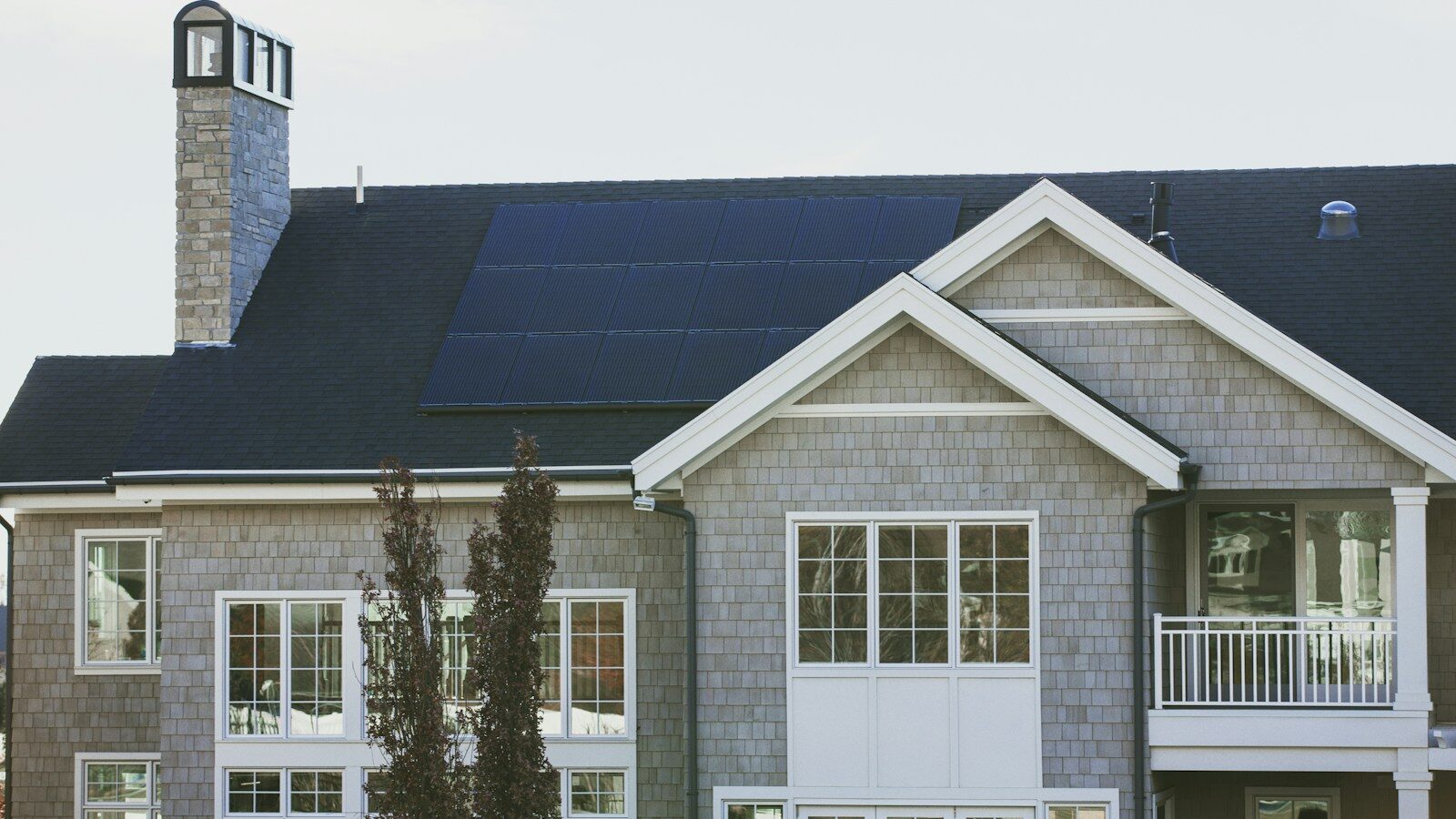
You'd think this would be an easy question in a state nicknamed for its sunshine. In practice, whether residential solar makes sense on the Gulf Coast depends on a handful of variables that vary house to house, and the sales pitch you'll get from a door-knocker won't cover most of them.
Here's an honest framework for thinking it through.
We're a relocation site rather than solar installers or financial advisors, and incentives, utility policies, and tax credits change. Verify current terms before committing to anything.
The Case For
Start with the obvious. We get a lot of sun, and more importantly we get a lot of consistent sun across the year rather than a short productive season. Florida's solar resource is genuinely good, if not quite as good as the desert Southwest, because our humidity and cloud cover cut into it more than people assume.
The bigger driver is the load side. Air conditioning is the dominant household electrical expense here, and it runs hard for six or seven months. That means high consumption and high bills, which is exactly the condition under which solar economics work. Our guide to Florida summer electric bills explains why cooling dominates.
There's also a nice alignment: your peak production is in the same sunny hours as your peak air conditioning demand.
How the Economics Actually Work
Three things determine whether a system pays off: what it costs, what it produces, and what your utility credits you for what you send back.
Net Metering
This is the piece that matters most and the piece most likely to change. Under net metering, excess power your system sends to the grid earns you credits that offset the power you draw at night.
Florida has had relatively favorable net metering rules, and the legislature and the Public Service Commission have revisited them more than once. The terms available to a system installed today may differ from those available in a few years, and grandfathering provisions vary.
Practical advice: confirm exactly what your utility's current program offers, what the credit rate is, how long the terms are locked, and what happens at the end of that period. Get it in writing. A projection built on assumptions about future net metering rates is not a projection, it's a hope.
The Federal Tax Credit
The residential clean energy credit has been a significant part of solar economics, covering a percentage of system cost as a credit against federal income tax. The percentage and availability have changed over the years through various pieces of legislation, and scheduled step-downs have moved.
Two things to check: what the credit is worth for a system placed in service in your tax year, and whether you actually have enough federal tax liability to use it. Retirees with low taxable income sometimes can't fully use a credit, which changes the math substantially. Talk to your tax preparer before you sign.
Florida-Specific Incentives
Florida has generally exempted residential solar equipment from state sales tax, and has provided a property tax exemption so that the added value of a solar installation doesn't increase your assessed value. Both are meaningful. Confirm current status with the county property appraiser.
The Roof Question
This is the single biggest practical gate, and it's where a lot of Florida solar projects should stop and don't.
Do not put solar on an old roof. Panels last decades. If your roof has eight years left, you'll be paying to remove and reinstall the array when you replace it, which is a substantial cost that no sales projection includes.
If your roof is approaching the end of its life, either replace it first and then go solar, or wait. Given how much Florida insurance carriers care about roof age, you may be replacing it sooner than you planned anyway. Our guide to wind mitigation and four-point inspections explains the insurance pressure on roof age.
Roof type matters too. Solar mounts cleanly on shingle and standing seam metal. Tile roofs, which are common in our newer communities, are more complicated and more expensive to work with, and improper installation on tile causes leaks.
Orientation and shade matter. South-facing exposure is ideal, west is decent given afternoon AC load, and heavy tree shade can undermine the whole project. Mature oaks are lovely and they are not your solar array's friend.
The Hurricane Question
Everyone asks, and the answer is better than you'd expect. Properly installed and permitted solar in Florida is engineered and inspected to the state's wind standards, and post-storm assessments have generally found that code-compliant systems perform well.
The failures tend to be installation failures rather than panel failures: inadequate attachment, improper flashing, or work done without permits.
Which leads to the most important advice in this article: use a licensed local installer and make sure the work is properly permitted and inspected. Unpermitted solar creates insurance problems, resale problems, and potential liability. Our guide to hiring a contractor in Southwest Florida covers vetting.
Insurance Implications
Here's something that catches people out. Some Florida homeowners carriers are cautious about solar installations, and a few have declined to write or renew policies on homes with them, or have required specific documentation.
Before you install, call your insurance carrier and ask directly: does adding a rooftop solar array affect my policy, my premium, or my eligibility? Get the answer before the panels go up, not after. Given how constrained the Florida insurance market already is, you don't want to create a new obstacle. Our guide to the Florida property insurance market covers the backdrop.
Batteries and Backup
A point of confusion worth clearing up: a standard grid-tied solar system does not power your house during an outage. For safety reasons it shuts down when the grid goes down, so line workers aren't exposed to backfed power.
If you want backup power during a storm outage, you need battery storage or a transfer-switch-capable system, which adds significant cost. Many Florida buyers who install solar specifically for storm resilience are disappointed to learn this after the fact.
Batteries do change the value proposition, particularly here where multi-day outages after a storm are a realistic scenario. They also change the price substantially. For pure backup power, a generator is usually cheaper, though noisier and fuel-dependent.
Buy, Finance, or Lease?
This distinction matters more than most homeowners realize.
Cash purchase gives the best return and the simplest resale situation. You own the system, you take the tax credit, there's no lien.
Solar loan is common. Compare the all-in cost carefully, including any dealer fees baked into a low advertised rate, and understand what happens to the loan when you sell.
Lease or power purchase agreement means a third party owns the equipment on your roof and you pay them. You don't get the tax credit. And when you sell, the buyer has to assume the agreement, which can genuinely complicate a sale. Realtors here will tell you that leased solar has killed transactions.
If you're going to do this, owning is generally the cleaner path.
Does It Help Resale?
Mixed. Owned solar on a newer roof, properly permitted, with documented production, is a selling point to the right buyer. Leased solar is frequently a complication. Solar on an aging roof is a liability because the buyer knows removal and reinstallation is coming.
Keep your permits, your inspection records, your warranty documents, and a year or two of production data in one place. That paperwork is what turns a question mark into an asset at resale.
Who It Works Best For
In our observation, solar pencils out most clearly for a household that plans to stay in the home for a long time, has a newer roof with good orientation and minimal shade, uses a lot of electricity, has enough federal tax liability to use the credit, and buys the system outright.
It works less well for someone likely to move within a few years, a house with an aging or heavily shaded roof, a low-consumption household, or a buyer who'd need a lease to make it happen.
Cheaper Things to Do First
Before spending on solar, the boring efficiency work usually delivers a better return per dollar: attic insulation, sealing duct leaks, a properly sized and maintained HVAC system, a programmable thermostat, and window treatment or film on west-facing glass. In a Florida house, duct leakage in a hot attic is a shockingly common and expensive problem.
Impact windows, if you're considering them anyway for storm protection, bring an efficiency benefit too. Our comparison of shutters versus impact windows covers that.
Do those first. Then size a solar system against your reduced load rather than your current one.
Our Sarasota cost of living guide puts household energy in context with everything else you'll be paying here.


Ready to find your place on the Suncoast?
Take the 60-second quiz to find your community, or talk to a local expert now.