
The Established Villages of Lakewood Ranch
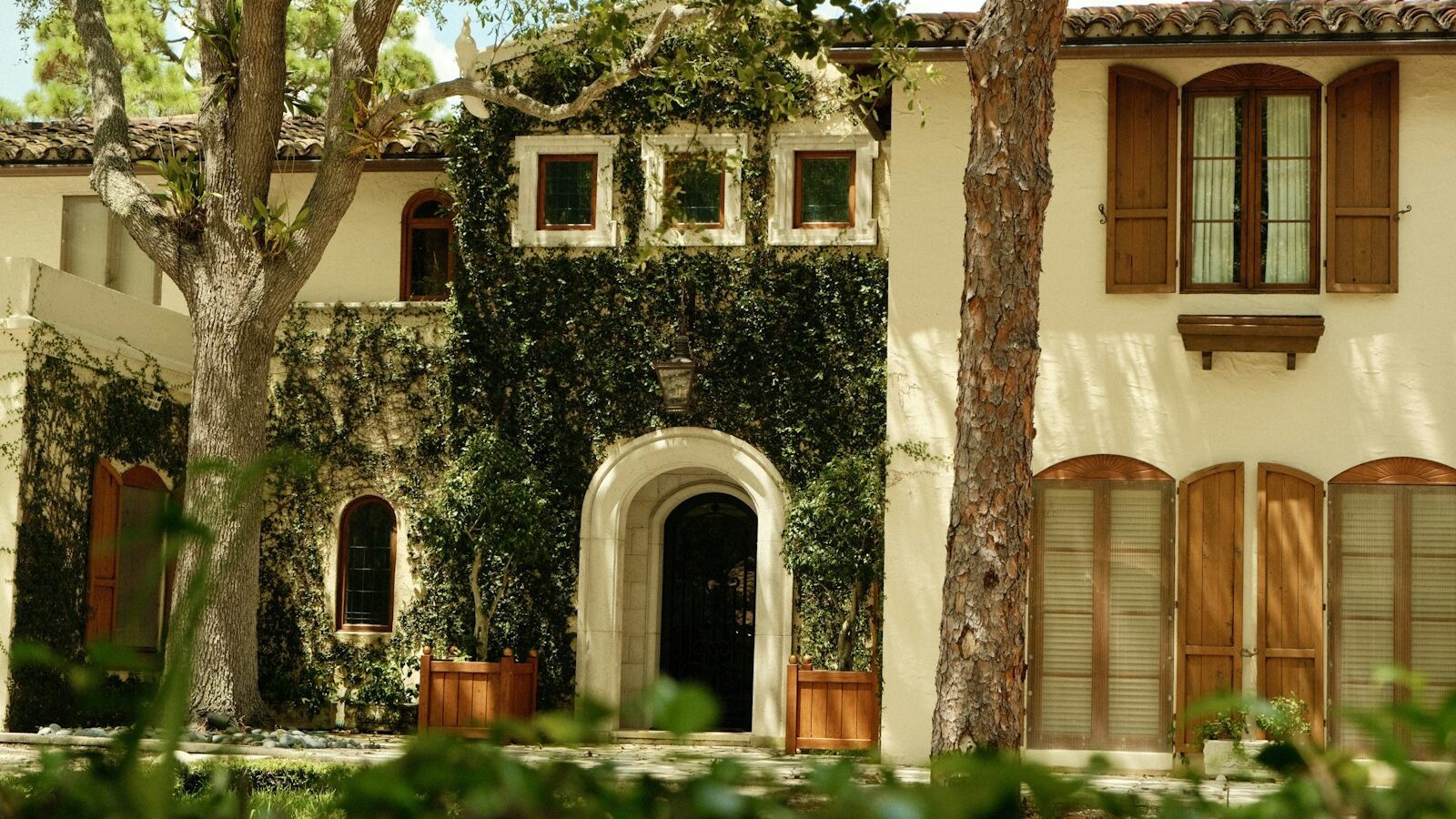
When most people picture Lakewood Ranch, they picture the newest stuff: the freshly paved cul-de-sacs, the model homes with the flags out front, the sod that went in last week. And there is nothing wrong with new construction. But if you ask us where the real heart of the Ranch is, we will almost always point you toward the older, established villages, the ones that have been around since the mid-1990s and early 2000s. They are quieter, greener, and very often a better value than the shiny new builds a few miles down the road. This is the part of Lakewood Ranch we genuinely love, and we think more buyers should give it a serious look.
The trees alone are worth it
Here is the thing a brand-new subdivision simply cannot fake: time. When you drive through an established village like Summerfield, Riverwalk, or Greenbrook, you are driving under a canopy. The live oaks have had twenty-plus years to spread out, the palms are tall, and the landscaping has filled in the way landscaping is supposed to. Streets are shaded. Yards feel lush instead of sparse. It is the difference between a neighborhood that looks settled and one that still looks like a rendering.
That maturity is not just pretty, it is practical. Mature shade trees keep homes cooler in the Florida summer, which is no small thing when you see your first August power bill. A new build might have a single spindly tree staked in the front yard and a fence line of one-gallon shrubs. In an established village, you move into a yard that is already grown in. You skip years of waiting and watering and hoping the oak makes it.
Bigger lots and more breathing room
A lot of the newer Lakewood Ranch product is built dense. Builders maximize how many homes they can fit, so you often end up with narrow lots, homes close to the neighbors, and a small backyard that backs right up to the next street. That works for some people, and it keeps the price of entry lower, but it is not for everyone.
The older villages were frequently platted with more generous lots. You will find more side-yard space, deeper backyards, and homes that sit a little farther off the street. If privacy matters to you, if you want room for a real pool and lanai setup, or you just do not want to hear your neighbor's TV through the wall, the established sections of the Ranch tend to deliver that breathing room in a way the newest phases often do not.
The country-club villages are a sweet spot
Some of our favorite established neighborhoods sit inside the gates of the Lakewood Ranch Country Club. These villages, built out over the late 1990s and 2000s, wrap around the golf courses and offer that resort-style life without the price tag of brand-new luxury construction. You get the golf, the social membership options, the walking trails, and the maintained common areas, all inside a community that has had time to mature beautifully.
If golf or a club lifestyle is part of your dream, it is worth understanding how it all works before you buy, because club membership, fees, and access vary by village. We walk through the details in our guide to golf and country club living in Lakewood Ranch, and it is the kind of thing where a good local agent saves you from expensive surprises.
Same amenities, same schools, lower price
Here is what really makes the case for us. When you buy in an established village, you are still inside Lakewood Ranch. You still have the parks, the trails, the polo, the farmers market, and everything happening on Main Street. You are still zoned for the same well-regarded schools that draw families to the Ranch in the first place. You give up almost nothing on lifestyle.
What you often gain is price. A resale home in an established village frequently costs less per square foot than comparable new construction inside the same community, sometimes meaningfully less. You are buying into the exact same amenities and address, just in a home that already exists, on a lot that is already landscaped, in a neighborhood that is already lived-in. For a lot of buyers, that is the smartest dollar on the whole Ranch. If you are weighing the trade-offs, our piece on new construction versus resale lays out the honest pros and cons of each.
The settled-in character you cannot rush
There is something about an established neighborhood that you feel the moment you turn in. The mailboxes match because the HOA has had years to sort it out. Neighbors actually know each other. There is a rhythm to the place: kids riding bikes, dogs being walked at the same time every evening, somebody's grandkids visiting on the weekend. New subdivisions get there eventually, but it takes a decade or more, and you are paying full price to be the pioneer who waits.
In an established village, that community is already built. You are not the first family on the block wondering when the rest of the street will fill in. You are joining something that already works. We think that settled-in character is one of the most underrated things money can buy, and you genuinely cannot fake it with a fresh coat of paint.
What to watch for in an older home
We would not be doing our job if we only told you the good parts. Buying an older home in an established village means buying a home with some age on it, and a few things deserve a close look before you fall in love.
- The roof. Florida roofs take a beating, and roof age affects both your insurance options and your costs. Find out how old it is and whether it has been replaced. A roof nearing the end of its life is not a deal-breaker, but it is a real number to factor into your offer.
- The HVAC system. Air conditioning works hard down here. An older system may be near retirement, and replacing it is a known expense. Ask the age, ask when it was last serviced, and budget accordingly.
- Kitchens, baths, and finishes. A home from the early 2000s may have original cabinets, counters, or fixtures. Sometimes that is charming and solid. Sometimes it means an update is coming. The upside is that you are often paying less up front, which leaves room in the budget to make the place your own.
- Big-ticket systems and the pool. Water heater, pool equipment, pool cage screening, and windows all have a lifespan. None of this should scare you off, it is just the homework that comes with any resale.
This is exactly where a good inspection earns its keep, and where a sharp local agent who knows these villages can tell you whether a home is priced right for its condition. An older home that has been well cared for and updated can be a gem. One that has been deferred for years might still be worth it at the right number. Knowing the difference is the whole game.
Let us point you to the right village
Lakewood Ranch has a lot of villages, and they are not all the same. Some are gated, some are golf, some lean toward families and some toward empty-nesters, and prices range widely depending on age, lot, and location. We keep a rundown of the neighborhoods in our guide to the Lakewood Ranch villages, which is a great place to start narrowing things down.
When you are ready to get specific, this is where we can help. We are not a brokerage and we are not a lender, we are just locals who connect people with agents we actually trust. A good agent who knows the established side of the Ranch can match you to the villages that fit your budget, your lifestyle, and your must-haves, and steer you away from the ones that will not. Take our community matching quiz to get a feel for where you fit, or let us introduce you to a local agent who can show you the established villages in person. We think once you walk those shaded streets, you will understand why we love this part of Lakewood Ranch so much.



Ready to find your place on the Suncoast?
Take the 60-second quiz to find your community, or talk to a local expert now.