
Golf and Country Club Living in Lakewood Ranch
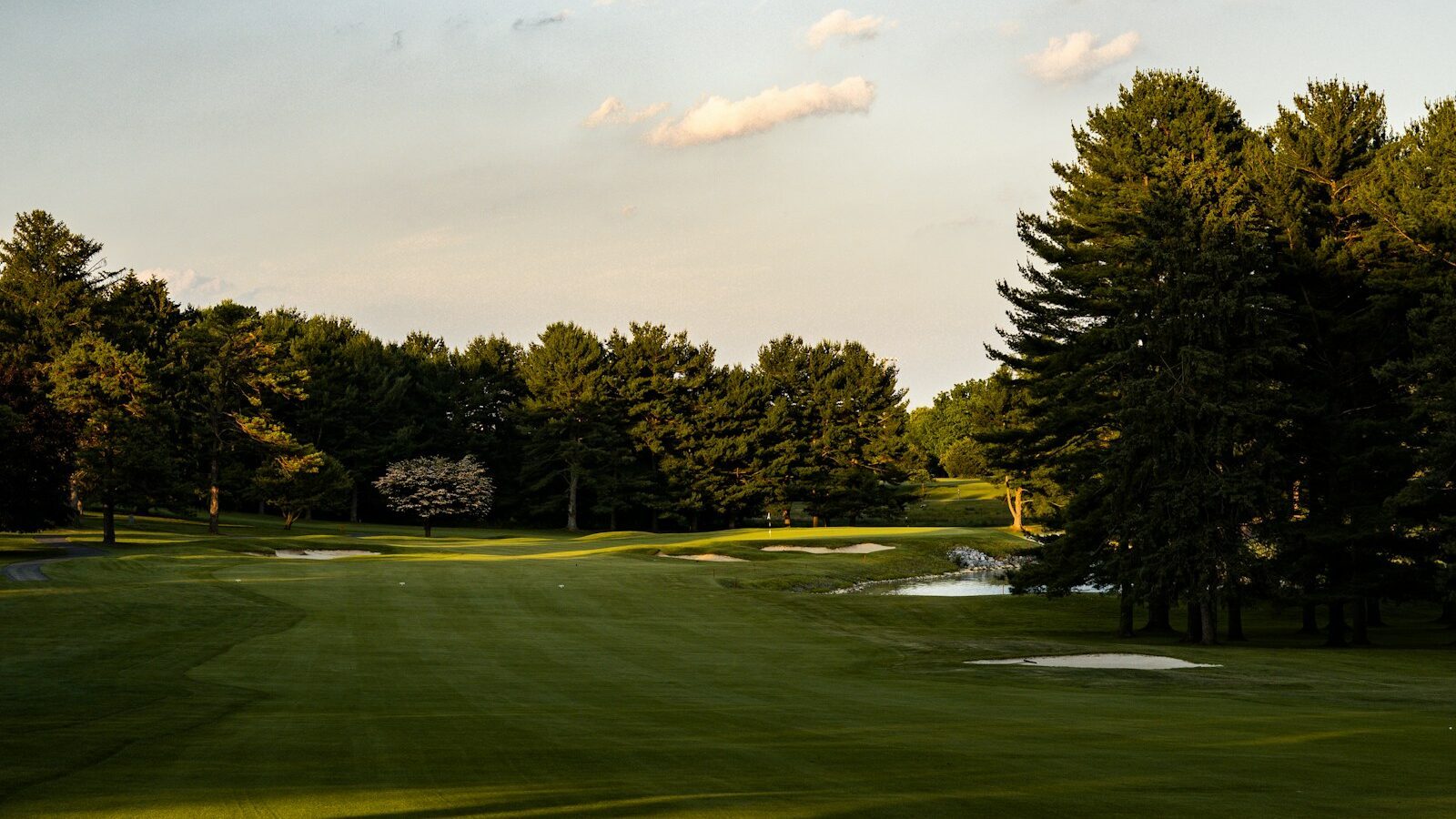
If you have started looking at homes around Lakewood Ranch, you have probably noticed how often golf comes up. It is woven into the way many neighborhoods here are planned, marketed, and priced. For some buyers that is the whole appeal. For others it is a feature they will never use that still shows up on the monthly statement. Sorting out which camp you fall into before you sign anything will save you real money and a fair amount of frustration.
This guide walks through how golf and country club living actually works in this part of Manatee and Sarasota counties, what the lifestyle tends to look like day to day, and the honest costs you should pin down before you commit. None of the numbers below are quoted, because they shift constantly and depend heavily on the specific community. The goal is to help you ask sharper questions.
Why golf shapes so much of Lakewood Ranch
Lakewood Ranch grew up as a master-planned community, and golf was part of the original blueprint rather than an afterthought. That history matters because it means courses are often the organizing feature of a neighborhood instead of a separate amenity tucked off to the side. Streets curve around fairways, homesites are oriented toward water and green space, and the clubhouse frequently doubles as the social heart of the area.
The practical takeaway is that golf influence here is a spectrum, not a yes or no. A home can sit on a course with no golf obligation at all, or membership can be baked directly into your purchase. Reading a listing carefully, and asking the right follow-up questions, is the only way to know which version you are looking at.
Bundled golf: it comes with the home
In a bundled golf community, a golf membership is tied to the property itself. When you buy the home, you are also buying into the club, and the cost shows up in your regular dues whether you play every day or never pick up a club. Ownership of the home and access to the course are essentially a package.
There are real upsides here. The cost is predictable and folded into one recurring payment, you usually get generous access to the course, and resale tends to be straightforward because the next buyer inherits the same arrangement. The tradeoff is just as clear. If golf is not your thing, you are still paying for it every month, and that cost is not optional. Bundled communities can also feel busier on the course, since a large share of residents have playing privileges built in.
If you are a frequent player who wants to keep budgeting simple, bundled golf can be excellent value. If you are buying mostly for the scenery of living near a course, run the math carefully before assuming it fits.
Equity and non-equity memberships
Many clubs in the area separate the home from the club entirely. In these communities you buy the house, and golf membership is a distinct decision with its own cost structure. This is where the terms equity and non-equity come in, and the difference is worth understanding.
An equity membership generally means you are buying an ownership stake in the club. There is usually a larger upfront cost, sometimes refundable in part when you leave, and members often have more say in how the club is run. A non-equity membership is closer to a recurring privilege. You pay to join and pay ongoing dues, but you are not buying an ownership interest, so the entry cost is typically lower and there is little or nothing to recover later.
Some clubs offer tiers within these categories, such as full golf, social, or sports memberships that bundle dining, fitness, tennis, and pickleball without full course access. The structure varies club to club, and the only reliable way to understand a given one is to request its current membership documents and read them closely.
Public and semi-private play
Not every round in Lakewood Ranch requires a membership. The region has public and semi-private options where you can pay to play without joining anything. Semi-private courses typically reserve some tee times and benefits for members while still selling rounds to the public, often with different rates and booking windows.
This matters for buyers who love golf but are not sure they want to commit financially. You can live in a home you like, skip the membership, and still play regularly by booking rounds around the area. For many people that flexibility is the smartest path, at least until they have spent enough time here to know how much they will actually play.
The social and lifestyle side
Country club living in Lakewood Ranch is rarely just about golf. The clubhouse is often where the calendar lives. Think dining nights, holiday events, fitness classes, tennis and pickleball leagues, card groups, and standing social gatherings that give the week a rhythm. For people relocating without an established network nearby, that built-in community can be one of the strongest reasons to buy in.
It is worth being honest about fit, though. Club culture varies. Some lean formal and traditional, others are casual and family oriented, and the right one for you depends on your stage of life and how you like to spend your time. If a vibrant, organized social scene appeals to you, this lifestyle delivers. If you prefer to keep to yourself, you may end up paying for a community you rarely tap into. Visiting in person, eating a meal there, and talking with current residents tells you far more than any brochure.
This overlaps a great deal with what draws people to active adult and 55 plus communities, where amenities and social programming are central to the appeal. The two categories are not the same, but the questions you ask yourself are similar.
The honest costs to weigh
Here is where careful diligence pays off. Golf community living layers several costs on top of your mortgage, and they vary widely from one neighborhood to the next. Treat every figure you hear as something to verify against current, written documentation rather than a fixed rule.
- HOA dues: Cover community upkeep, common areas, and shared amenities. In bundled communities these may also include your golf access, so understand exactly what is and is not folded in.
- Membership and initiation fees: For equity or non-equity clubs, expect both an upfront cost to join and ongoing dues. Ask whether any portion is refundable and under what conditions.
- Food and beverage minimums: Many clubs require members to spend a set amount on dining over a period. If you rarely eat at the club, this can become a recurring charge for meals you do not want.
- Cart fees and incidentals: Some memberships include carts and some charge per round. Range balls, locker fees, guest fees, and seasonal assessments can add up too.
- Capital and special assessments: Clubs occasionally levy one-time charges for renovations or major repairs. Ask about the club's recent history and any planned projects.
Because these numbers move and differ so much by community, build your budget around the specific club's current paperwork, not a neighbor's old figures or a general estimate. It also helps to view club costs as part of your broader picture. Our overview of the cost of living in the Sarasota area can frame how these dues fit alongside everything else.
Deciding whether it fits you
The clearest way to decide is to be honest about how much golf you will genuinely play and how much you value the social side. A committed player who wants a simple budget and an active community is often delighted by bundled golf. A casual or occasional player may be far better served by a non-golf home near public and semi-private courses, paying only for the rounds actually played.
It also helps to compare neighborhoods side by side, since the same word, golf community, can describe very different arrangements. Our deeper look at golf communities across Sarasota and Lakewood Ranch lays out how these areas differ so you can narrow the field before touring.
If you are still weighing whether this lifestyle matches what you are after, take a few minutes with our community-match quiz. It helps line up your priorities, from amenities to budget to daily pace, with the kinds of neighborhoods that tend to suit them. When you are ready to pin down real numbers for a specific club, a local expert who knows these communities firsthand can pull current documents and walk you through the fine print so there are no surprises after you move in.



Ready to find your place on the Suncoast?
Take the 60-second quiz to find your community, or talk to a local expert now.