
A Guide to Lakewood Ranch's Villages and Neighborhoods
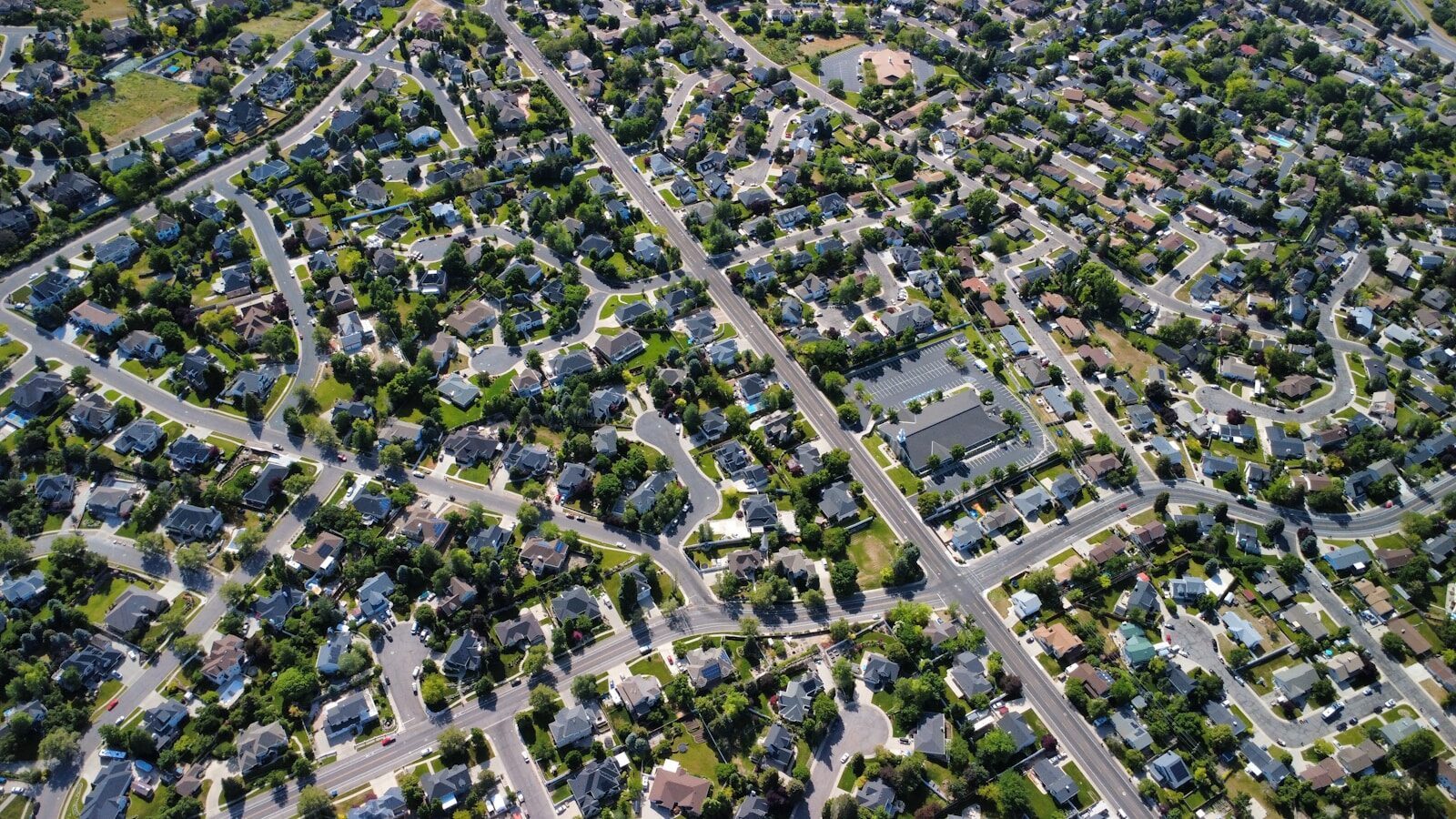
People often talk about Lakewood Ranch as if it were a single neighborhood, the way you might talk about a subdivision back home. It is not. Lakewood Ranch is closer to a small town built on purpose, and like most towns it is made of smaller pieces. Those pieces are called villages, and they are the key to understanding why two homes sitting a few minutes apart can feel like they belong to different worlds.
If you are relocating from out of state, this is one of the first things worth slowing down for. The name on the sign tells you where the mail goes. The village tells you what your weekends, your commute to the pool, and your monthly fees will actually look like.
What people mean by a "village"
Lakewood Ranch sits inland, east of Interstate 75, on rolling former ranch land that straddles the Manatee and Sarasota county line. It was planned from the start as a master community, which means the developer mapped out distinct residential pockets rather than letting growth sprawl in one undifferentiated blanket.
Each of those pockets, generally called a village, was designed around a particular kind of buyer and a particular feel. One might center on family living with playgrounds and a community pool. Another might wrap around a golf course. Another might be built specifically for residents over a certain age who want less yard work and more social calendar. The homes, the price bands, the architecture, and the shared amenities tend to be consistent within a village and noticeably different between them.
That consistency is the point. When you buy into a village, you are buying into its character as much as its square footage.
Why two homes minutes apart can live differently
Here is the part that surprises newcomers most. You can stand in two driveways a short drive apart and be looking at completely different lifestyles.
One home might sit in an established village with mature trees, larger lots, and neighbors who have known each other for years. The other might be in a newer section where the landscaping is still filling in, the model homes are still selling, and the residents skew toward families just arriving. Same general area, same broad reputation, very different day to day.
The differences usually come down to a handful of things: the age of the village, who it was built for, the amenities bundled into it, and how the homes are maintained. Some villages are maintenance light, meaning lawn care or exterior upkeep is handled for you. Others leave all of that to the homeowner. Neither is better in the abstract. It depends on whether you want a yard to putter in or a Saturday that is already free.
The general types you will encounter
Without naming specific developments, since they come and go and change hands, it helps to think in broad categories. Most villages fall loosely into one of these.
- Family focused. These lean toward schools, parks, community pools, and homes sized for households with kids. The social rhythm tends to revolve around playgrounds and weekend gatherings.
- Golf oriented. Built around or alongside a course, these attract people who want the fairway as part of the view and the clubhouse as part of the routine. Membership structures vary, so it is worth asking what is included and what costs extra.
- Active adult. Often age restricted to residents over a set age, these emphasize a packed activities calendar, fitness amenities, and lower maintenance living. If this is your stage of life, our guide to active adult 55 plus communities goes deeper.
- Newer versus established. This cuts across the others. Newer villages offer current floor plans and fresh construction but less settled greenery and an ongoing sales presence. Established villages offer maturity, known neighbors, and a clearer sense of resale history.
Many villages blend traits. A golf village can also be active adult. A family village can include a maintenance light pocket. Treat these as starting points rather than strict boxes.
Fees are part of the picture, and they vary
Almost every village carries some combination of homeowners association dues and, very commonly across Lakewood Ranch, community development district assessments. The HOA generally funds shared amenities and upkeep. The CDD typically repays the infrastructure that made the village possible, such as roads, drainage, and utilities, and it often appears as a line on your property tax bill.
These amounts differ meaningfully from village to village and even from home to home depending on when the property was built and what is bundled in. A maintenance light village with a clubhouse and gated entry will carry different costs than a village where you mow your own lawn. We are not going to quote numbers here, because they change and because guessing would do you no favors. Verify the current HOA dues, any CDD assessment, and exactly what they cover for any specific home before you fall in love with it.
If you are still building your overall budget, our cost of living overview can help you frame where these recurring fees fit alongside taxes, insurance, and everyday expenses.
How to actually choose
The mistake we see most often is choosing a home and discovering the village afterward. Flip that order. Start with how you want to live, then let the village narrow the homes.
A few questions tend to sort things quickly.
- Do you want yard work to be your hobby or someone else's job?
- How much does an organized social calendar matter to you?
- Are schools, golf, or age restricted quiet your priority?
- Do you prefer the polish of brand new or the character of established?
- How far are you willing to drive for groceries, dining, and the highway?
Your answers will point you toward a type before you ever look at a listing. From there, walk the village at different times of day. Mornings and evenings tell you different stories about traffic, noise, and how lived in a place feels. Talk to a few residents if you can. They will tell you things a brochure never will.
How Lakewood Ranch compares more broadly
Some people arrive certain they want Lakewood Ranch and only need to pick a village. Others are still weighing the whole master planned approach against the older, more eclectic feel of the coast. Both are reasonable. If you are in that second group, our comparison of Lakewood Ranch versus Sarasota lays out the tradeoffs between an inland planned community and a established coastal city.
What rarely changes is the basic insight: in Lakewood Ranch, the village is the unit that shapes daily life. Get that right and the specific house tends to take care of itself.
Find the village that fits you
There is no universally best village here, only the one that matches the life you are trying to build. The fastest way to get oriented is to figure out your priorities first, then match them against what each type offers.
Our short community match quiz is built exactly for that. Answer a handful of questions about your stage of life, your budget, and how you like to spend a weekend, and we will point you toward the kinds of villages worth your time. When you are ready to dig into specific homes and current fees, a local expert can walk you through the differences that only show up in person.



Ready to find your place on the Suncoast?
Take the 60-second quiz to find your community, or talk to a local expert now.