
New Construction in Lakewood Ranch: What Buyers Should Know
Lakewood Ranch keeps showing up on lists of the country's top-selling master-planned communities, and a big part of that draw is new construction. Drive through almost any village here and you will see freshly paved streets, model homes with flags out front, and lots in various stages of going vertical. For a lot of relocating buyers, the idea of a brand-new home with nobody else's wear and tear is genuinely appealing. It can also come with trade-offs that are easy to overlook when you are standing in a sparkling model with upgraded everything. This guide walks through both sides so you can decide with your eyes open.
Why new construction in Lakewood Ranch appeals to so many buyers
The first thing most people notice is the floor plans. Newer homes tend to lean into the way households actually live now: open kitchens that flow into the great room, flexible bonus rooms that can be an office or a guest suite, generous primary suites, and covered lanais built for year-round outdoor living. If you have spent time touring older Florida homes with chopped-up layouts and small windows, a modern plan can feel like a breath of fresh air.
There is also the simple comfort of newness. No previous owner's deferred maintenance, no mystery about when the roof was last replaced, no surprise about the age of the water heater. You are starting the clock at zero on the major systems, which brings a level of predictability that resale buyers do not always get. If that peace of mind matters to you, it is worth weighing carefully, and our new construction vs resale guide digs into that comparison in more detail.
Current building codes that actually matter in Florida
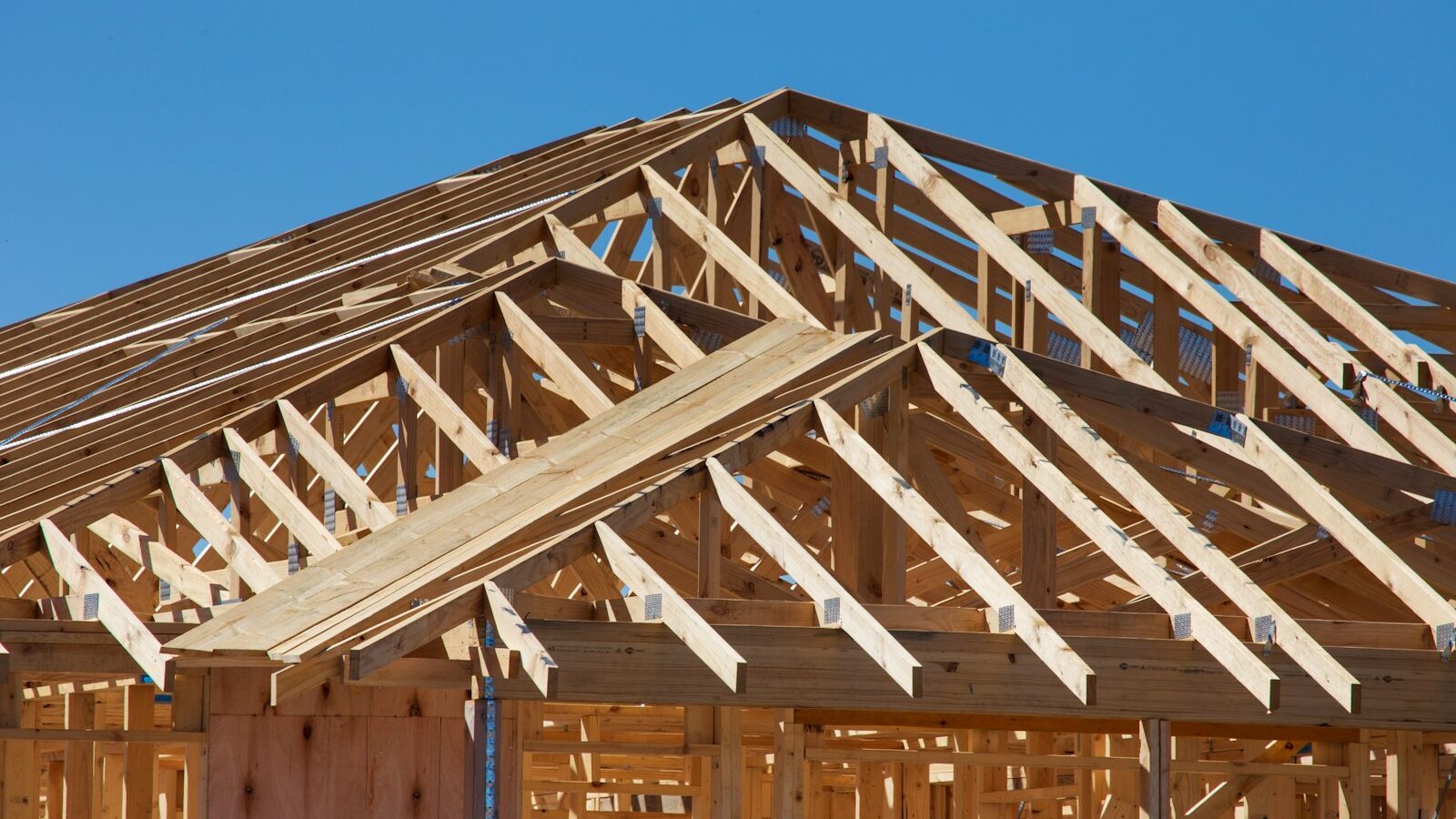
This is the part that does not show up in glossy brochures but can matter a great deal in Florida. Homes built to recent Florida Building Code standards are designed with hurricane and wind resistance in mind. That can mean features like impact-rated windows, reinforced roof-to-wall connections, and construction detailing meant to perform better in a strong storm. None of this makes a home invincible, but newer code-compliant construction is generally built to a tougher standard than homes from several decades ago.
Why does that matter beyond safety? Insurance. In Florida, the age of a home and the features that affect its storm resilience can influence what you pay to insure it. A newer roof and certain wind-mitigation features may factor into premiums, though every carrier and policy is different and you should always get real quotes before assuming anything. We break down how this works in our Florida home insurance guide. The short version: do not treat insurance as an afterthought, because in this state it can move your monthly numbers meaningfully.
Energy efficiency and warranties
New homes are typically built with current insulation, HVAC, and window standards, which can translate into lower utility bills than an older home of the same size. In a climate where the air conditioning runs much of the year, efficiency is not a trivial perk. Ask the builder for specifics rather than relying on general claims, since efficiency varies by plan and by the options you select.
Warranties are another genuine advantage. Most new homes come with a builder warranty, often structured in tiers: shorter coverage on workmanship and many systems, with longer coverage on major structural elements. Coverage terms vary by builder, so read what you are actually getting and keep the paperwork. A warranty does not eliminate the value of a thorough inspection, even on a brand-new home, but it does give you a path to address issues that surface in the first stretch of ownership.
Choosing finishes and the design center experience
One of the more enjoyable parts of building new is making the home yours. Depending on the builder and how far along a home is, you may get to choose flooring, cabinetry, countertops, fixtures, and paint. Some buyers love this. Others find it overwhelming, especially when relocating from out of state while juggling a sale back home.
A few practical notes help here. Upgrades at the design center add up quickly, and it is easy to walk in with one budget and walk out with another. Decide ahead of time which upgrades genuinely matter to you and which you can add later. Structural choices, like moving a wall or extending a lanai, usually have to be locked in early, while cosmetic touches can sometimes wait. Going in with a plan keeps the fun from turning into sticker shock.
The realities to plan for
Build timelines are the big one. A new home is not move-in-ready the day you sign, and construction schedules can shift due to weather, permitting, materials, and labor. If you are coordinating the sale of a current home, the end of a lease, or a school start date, build in cushion and stay in close contact with your builder about realistic milestones. Delays happen, and the buyers who handle them best are the ones who expected the possibility.
Landscape maturity is another honest trade-off. Newer sections of Lakewood Ranch are still filling in, which means smaller trees and less shade than you would find in an established neighborhood. Some buyers love the clean-slate look and the chance to plant their own. Others miss the canopy of a settled street. Neither is wrong, but it is worth knowing which you are walking into.
There is also geography to consider. Lakewood Ranch sits inland, east of Interstate 75, which is part of what makes it feel green and spacious. The flip side is that the Gulf beaches are a drive away rather than a quick stroll. For many relocating families that is a fair trade for the schools, amenities, and community feel, but if toes-in-the-sand-every-evening is your dream, factor in the commute. You can get a fuller picture of the area on our Lakewood Ranch community page.
Understanding HOA and CDD costs
This is where a lot of newcomers get tripped up, so it deserves real attention. Most of Lakewood Ranch involves homeowners association fees, and many areas also carry Community Development District assessments. A CDD is a financing mechanism that helps pay for infrastructure like roads, utilities, and amenities, and it often shows up as a line on your tax bill. HOA and CDD amounts vary by village and even by neighborhood within the community, and they can change over time.
The takeaway is not that these costs are good or bad, but that you should verify them before you fall in love with a home. Ask for the specific HOA dues and any CDD assessment for the exact property you are considering, and factor both into your monthly math alongside taxes and insurance. Our cost of living overview can help you frame the bigger budget picture so nothing catches you off guard at closing.
Putting it all together
New construction in Lakewood Ranch can be a strong fit: modern layouts, current code and efficiency, builder warranties, and the chance to choose finishes that feel like home. The catch is that you need to plan around timelines, accept younger landscaping in newer sections, budget honestly for HOA and CDD costs, and make peace with being a drive from the coast. Go in informed and the perks tend to outweigh the trade-offs for the right buyer.
Not sure whether a brand-new build or an established neighborhood suits how you actually want to live? Take a few minutes with our community match quiz to narrow things down, or reach out to a local expert who knows the villages of Lakewood Ranch well and can help you compare specific homes, fees, and timelines side by side.



Ready to find your place on the Suncoast?
Take the 60-second quiz to find your community, or talk to a local expert now.