
Internet, TV, and Cell Service in the Sarasota Area
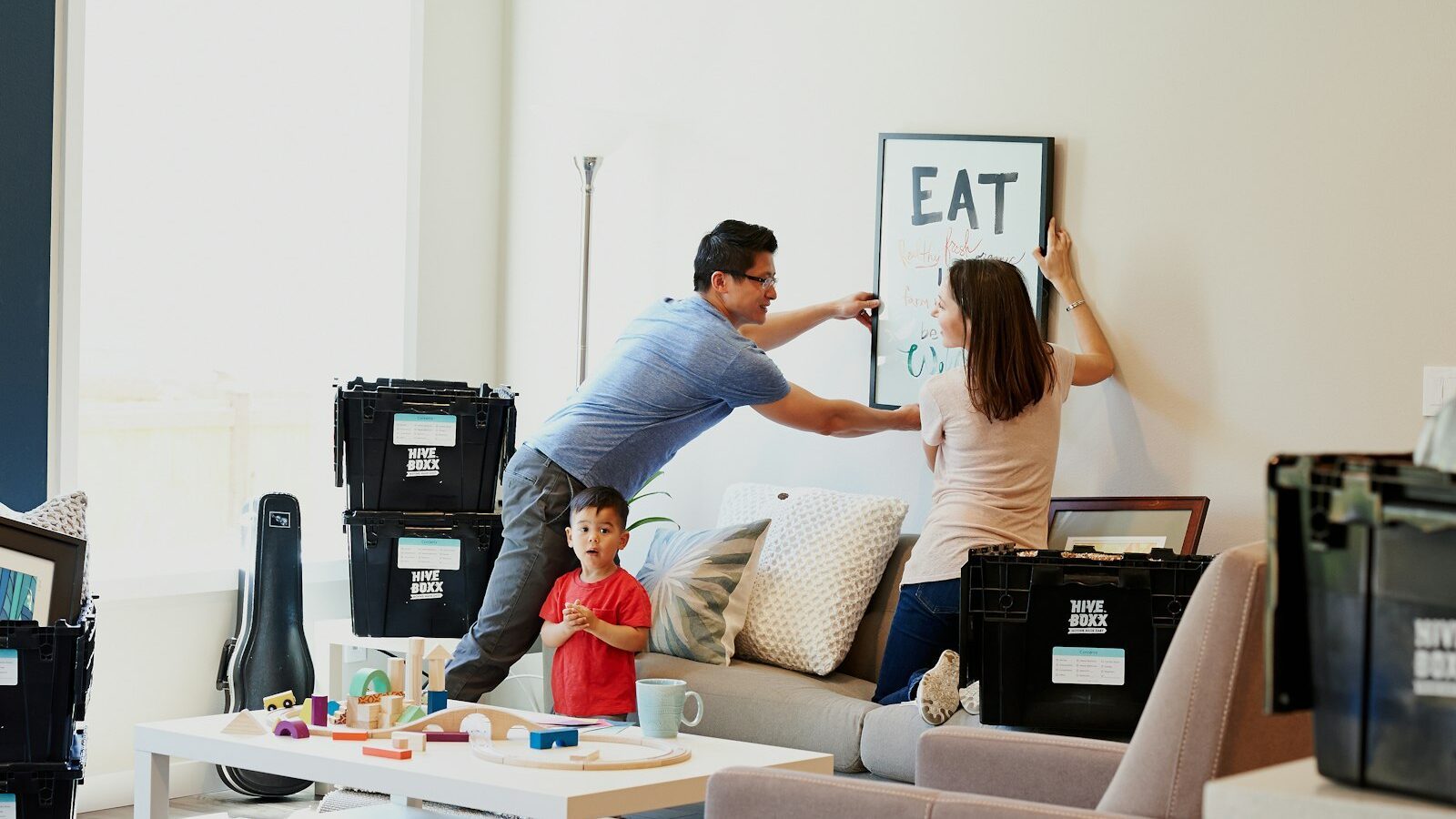
Here's a piece of advice we give almost every remote worker moving here: check the internet at the specific address before you fall in love with the house. Not the neighborhood, the address. In our region, service quality can change meaningfully across a couple of streets, and finding out after closing is a bad way to learn it.
For retirees who mostly stream television, this matters less. For anyone doing video calls for a living, it matters a great deal.
The Basic Landscape
The Sarasota and Bradenton area is reasonably well served by national standards, but it isn't uniform. In broad strokes:
Cable internet is the most widely available wired option and reaches the large majority of developed areas across both counties. Speeds are generally good for download, with upload historically being the weaker side, which matters if you're on video calls or moving large files.
Fiber has expanded substantially in recent years and is now available in a lot of the region, particularly in newer master-planned communities and in areas that have seen recent buildout. Where you can get it, it's the better product, especially for symmetrical upload speeds.
Fixed wireless and 5G home internet from the mobile carriers has become a legitimate option in much of the area. It's often cheaper, requires no installer visit, and works well where signal is strong. It's more variable than wired service and can degrade during congestion or weather.
Satellite remains the fallback in genuinely rural pockets east of I-75 and out toward the county lines. Modern low-earth-orbit service is far better than old satellite internet, though it's still weather-sensitive.
Providers and their footprints change frequently enough that we're not going to list specific companies and speeds here, because it would be out of date quickly. Check current availability by address.
How to Actually Check Before You Buy
A few steps, in order of usefulness:
Enter the exact address on each provider's availability tool. Not the neighborhood, not a nearby address. Serviceability is determined at the parcel level.
Ask the seller or listing agent what they have and whether they've been happy with it. Then ask what speeds they actually get, not what they pay for.
Ask neighbors. In a community with an active social page or a neighborhood group, this question gets answered honestly and quickly.
Check your cell signal on site. Stand in the house, in the room where you'd work, and look at your bars and run a speed test. Do it on your actual carrier, since coverage varies between them here.
In condos, ask whether the association has a bulk service agreement. Many buildings here contract internet and TV as part of dues, which can be a good deal or can lock you into a provider you wouldn't choose. Our guide to buying a condo in Sarasota covers what else to check in the documents.
Where Service Tends to Be Strongest
Newer master-planned communities generally have the best infrastructure, because it was installed during development to modern standards. The communities across Lakewood Ranch, Wellen Park, and similar recent developments typically offer strong options and often fiber.
Urban cores including downtown Sarasota and downtown Bradenton are generally well covered, though older buildings can have their own wiring limitations regardless of what's available at the curb.
Established mid-century neighborhoods vary. Cable is nearly always there. Fiber may or may not be, depending on whether the carrier has built out that specific area.
Rural and semi-rural areas east of I-75, out toward Myakka City, parts of eastern Manatee County, and some pockets near the county lines, are where you need to be careful. Options thin out fast, and a beautiful property on acreage can come with disappointing connectivity.
Barrier islands are a mixed picture. Service is generally available, but infrastructure is exposed and restoration after storms can take longer than on the mainland.
If You Work From Home
A few things worth building into your setup here.
Care about upload, not just download. Video calls, cloud backups, and file transfers are upload-bound. A plan advertising very high download with modest upload will feel worse on calls than the headline number suggests.
Have a backup. The most common arrangement among remote workers we know here is a primary wired connection plus a mobile hotspot or a 5G home internet line as failover. Given our storm season, redundancy isn't paranoid.
Wire the office. Running ethernet to the room you work in costs little and eliminates a whole category of problems, particularly in concrete block homes where wifi signal doesn't travel as well as in frame construction. That's a real effect here and catches people off guard.
Our guides to working remotely from Sarasota and coworking spaces and cafes cover the wider remote-work picture, including where to go when your connection does fail.
Storms and Outages
This is the local factor that out-of-state buyers underestimate. Tropical systems and even strong summer thunderstorms cause outages, and internet restoration typically follows power restoration rather than accompanying it.
After a significant storm, expect the possibility of days without wired service in affected areas. Cell networks are usually more resilient and are often restored first, which is another argument for a mobile backup.
If you're on a barrier island or in a heavily treed older neighborhood with overhead lines, your risk is higher. Newer communities with buried utilities generally fare better, which is a quiet advantage of that construction era. Our hurricane preparedness guide covers what to have ready.
Practical suggestions: keep a charged power bank or two, know which nearby businesses have generators and wifi, and if your work genuinely cannot stop, think about a generator or battery backup for your router and a plan for where you'd go.
Television
Most households here have moved to streaming, and the local broadcast stations are available over the air with an antenna, which works well given the flat terrain. A basic antenna picks up local news, which is genuinely useful during storm season when you want local coverage rather than national.
Traditional cable TV packages are still around and are frequently bundled by condo associations. Sports fans should check which regional networks carry the teams they care about before committing, since that's the usual sticking point.
Cell Coverage Notes
Coverage across the metro is generally solid on the major carriers, with the usual caveats. Signal can weaken inside concrete block construction, in some interior rooms, and in rural eastern areas. Wifi calling solves most in-home problems if your internet is good.
During peak season, network congestion on the islands and in busy areas is noticeable. And during a storm event, networks get heavily loaded, so text messages get through when calls won't. That's worth remembering.
Setting It All Up
Schedule installation before you close if you can, because lead times stretch during busy moving months. Our guide to setting up utilities in Sarasota covers the full list of what to arrange and in what order.
And if connectivity is a genuine constraint on where you can live, factor it into the search from the start. Our community matching quiz accounts for how you actually spend your days, working included.


Ready to find your place on the Suncoast?
Take the 60-second quiz to find your community, or talk to a local expert now.