
A New Floridian's Hurricane Preparedness Guide
If you are new to the Gulf Coast, the words "hurricane season" can sound a little ominous before you have lived through one. We want to take some of the mystery out of it, because the truth is simpler than the headlines suggest. Millions of people live happily along this coast, and the ones who feel calm when a storm is in the forecast are simply the ones who prepared early. Preparation is what turns a hurricane from a source of dread into a manageable few days, so let's walk through it together.
Understanding the Season Without the Fear
Atlantic hurricane season runs from June through November, with the most active stretch usually falling between August and October. That is a long window, but it does not mean storms are constantly bearing down on us. Most days during the season look exactly like the postcard you imagined when you moved here: blue sky, warm Gulf breezes, and afternoon showers that pass in twenty minutes. You can learn more about the rhythm of the year in our guide to Sarasota weather and seasons, and we go deeper on the local patterns in our overview of hurricane season on the Gulf Coast.
The key shift in mindset is this: you are not trying to predict storms, you are simply staying ready. When everything is already in place, a forecast becomes a checklist rather than a scramble. That is the whole secret, and it is very doable.
Know Your Zone and Have a Plan
The single most useful thing you can do this season is learn your evacuation zone. Florida assigns these zones based on how vulnerable an area is to storm surge, and they are labeled A through E, with A being the most likely to be asked to leave first. Evacuation orders are issued by zone, not by the whole county, so knowing your letter tells you exactly when an order applies to you. Many newcomers are relieved to learn they are in a lower-risk zone than they assumed. Our guide to flood zones and evacuation zones in Sarasota shows you how to look yours up in a couple of minutes.
Once you know your zone, sketch out a simple plan. Where would you go if asked to leave? It is often a friend's home inland, a hotel a county or two away, or a public shelter as a backup. Decide which roads you would take, agree on an out-of-town contact everyone can check in with, and make a plan for pets, since many shelters require advance registration for animals. Write it down, because a plan that lives only in your head tends to fall apart at the worst moment.
Build a Simple Supply Kit
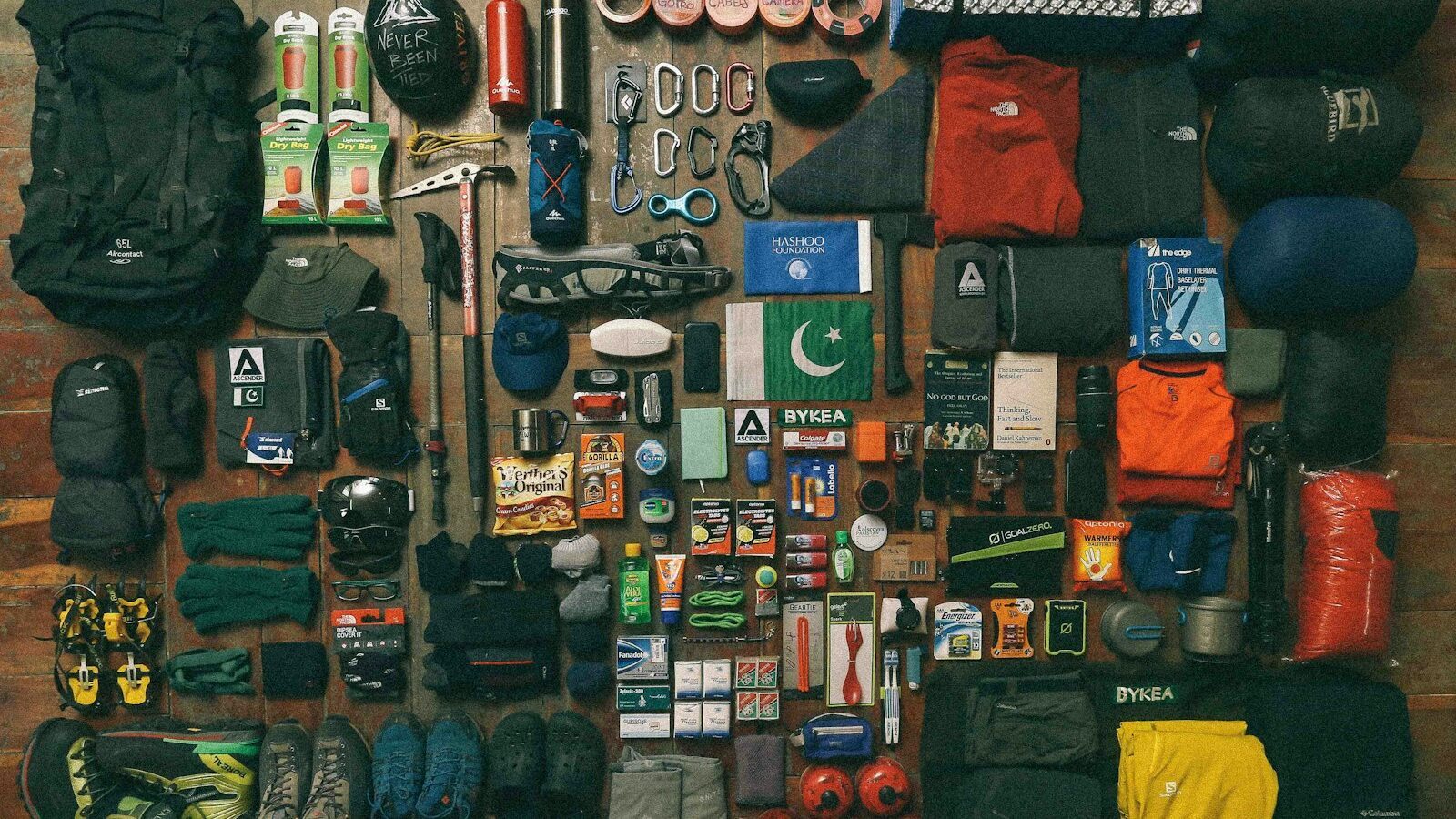
You do not need a bunker or a year of rations. A practical kit covers the basics for about a week, and most of it is things you already buy. Put it together once, store it in a bin you can grab quickly, and refresh it at the start of each season. Here is a sensible starting list:
- Water: aim for one gallon per person per day for at least three to seven days, and a little extra for pets.
- Food: a week of non-perishable items that need no cooking, plus a manual can opener.
- Medications: a two-week supply of any prescriptions, along with basic first-aid items.
- Documents: copies of IDs, insurance policies, and your deed or lease, kept in a waterproof bag or saved securely in the cloud.
- Cash: some smaller bills, since power outages can knock card readers offline.
- Power and light: flashlights, a battery or crank radio, plenty of batteries, and charged power banks for your phones.
- Comfort: toiletries, a few changes of clothes, and anything specific your family or pets rely on.
Buy these items in the quiet early weeks of the season rather than the day a storm is named. The stores are calm, the shelves are full, and you will feel genuinely settled knowing it is handled.
Prepare Your Home
Protecting your home is mostly about a few sensible steps you can take in advance. If your house has hurricane shutters or impact windows, learn how they work and test them before you need them. If it does not, look into whether adding impact-rated windows or panels makes sense, since they protect the home and can also lower your insurance costs. A licensed contractor or your local agent can point you toward reputable options.
When a storm is in the forecast, the bigger jobs are simple: bring in or secure anything outside that could become airborne, such as patio furniture, grills, planters, and trash cans. Trim weak tree limbs earlier in the season so you are not doing it at the last minute. If you own a generator, run it safely outdoors and well away from windows, never inside a garage, and store fuel responsibly. Knowing how to shut off your water, power, and gas is a small piece of knowledge that pays off when you need it.
Get Your Insurance Ready
Insurance is where a little homework saves a lot of stress later. Standard homeowners policies in Florida typically include wind coverage, but they almost never cover flooding, and storm surge counts as flooding. That means flood insurance is worth considering even if you are not in a high-risk zone, and there is usually a waiting period before a new policy takes effect, so this is not something to arrange once a storm is approaching. Our Florida home insurance guide breaks down how the coverage fits together.
Take a few minutes to document your belongings. Walk through each room with your phone, record a short video, and save it somewhere off-site or in the cloud. If you ever need to file a claim, that simple video makes the process far smoother. Review your policy now, before the season heats up, so you know your deductibles and what is actually covered.
Stay Informed the Right Way
When weather is active, good information is its own kind of calm. Sign up for your county's emergency alert system so official notices reach your phone directly, and follow your local emergency management office, which is the authoritative source for evacuation orders and shelter openings. Keep that battery or crank radio in your kit as a backup for when the power and cell networks are strained.
One gentle piece of advice: lean on official sources rather than the most dramatic post in your social feed. Forecasts shift, and the calmest people are usually the ones listening to the National Hurricane Center and local officials rather than rumor. Tune in once or twice a day when a system is out there, and otherwise carry on as usual.
Before, During, and After
When a storm enters the forecast cone, top off your fuel, refill prescriptions, charge everything, and review your plan. If your zone is ordered to evacuate, leave early while roads are clear. Leaving ahead of the crowd is calm and easy, while leaving late is the stressful version, so give yourself the gift of an early start.
During the storm, stay inside, away from windows, and ride it out in an interior room on the lowest safe floor that is not at flood risk. Keep your phone charged for alerts, and resist the urge to step outside during a lull, since the calm eye of a storm is followed by more wind. Afterward, be patient. Watch for downed power lines, avoid standing water, and check on neighbors who may need a hand. Take photos of any damage before you clean up, since that record helps with insurance claims.
You Have This
Here is the reassuring part we want you to hold onto: people thrive on this coast every single year, and the difference between a stressful season and a calm one comes down to a handful of steps taken early. Learn your zone, build a simple kit, ready your home, sort out your insurance, and know where you will get your information. Do those things in the quiet weeks, and a hurricane forecast becomes a manageable routine rather than a crisis. If you are still settling in and have questions about a specific neighborhood, its zone, or what to look for in a home here, our local agents are glad to help. Welcome to the Suncoast.


Ready to find your place on the Suncoast?
Take the 60-second quiz to find your community, or talk to a local expert now.