
Gated Communities in the Sarasota Area: What to Know
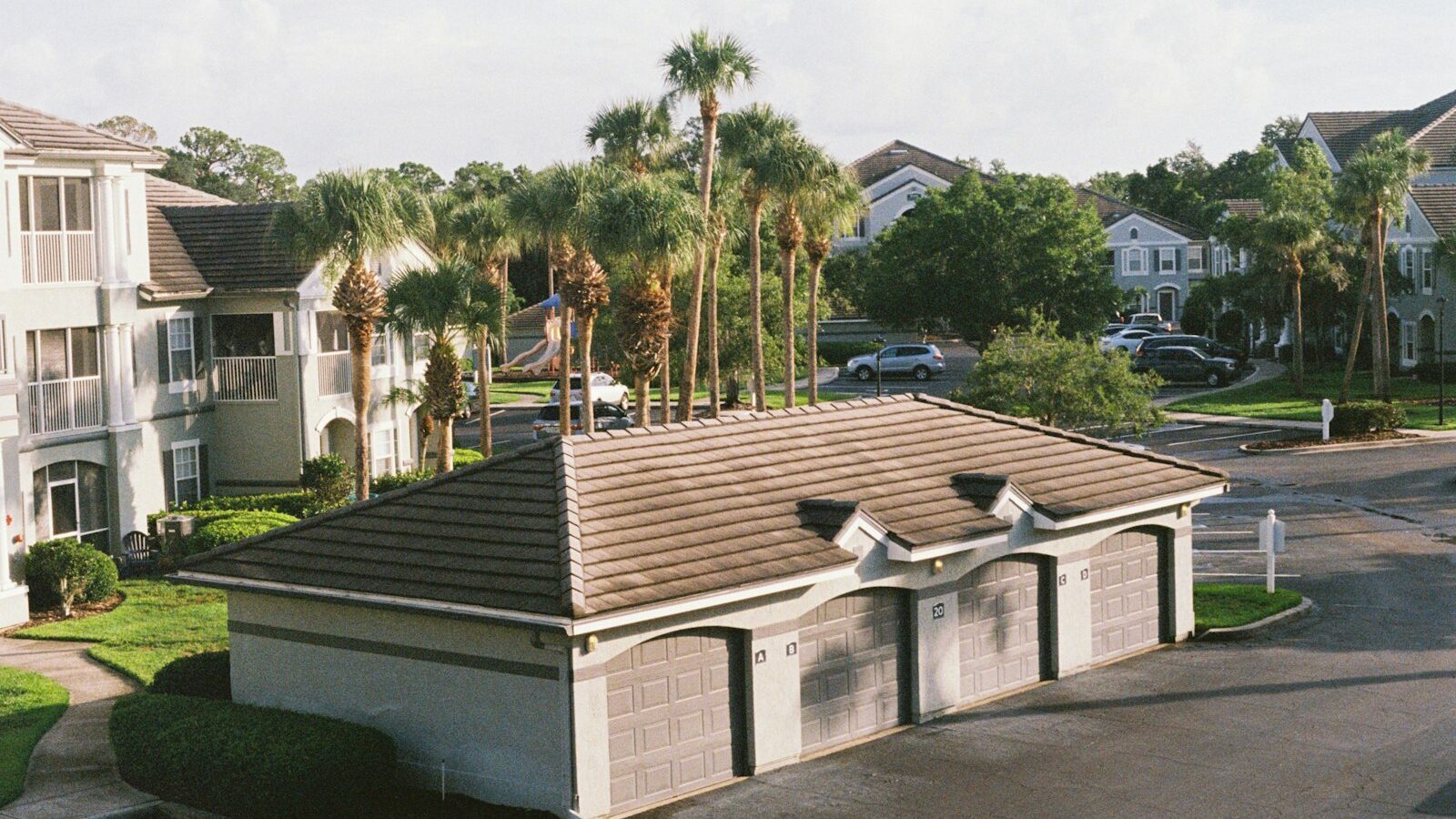
Drive around Sarasota and Manatee counties for an afternoon and you will pass dozens of gates. Some are simple call boxes at the front of a quiet villa neighborhood, and others are staffed entrances with a guard, a fountain, and a long palm-lined boulevard behind them. Gated living is a big part of how this region is built. We want to give you an honest look at what it actually means, because the gate is only the beginning of the story.
The Main Types of Gated Communities
Lumping every gated neighborhood together is a mistake, because they are built for very different lives. Knowing the categories helps you shop smarter.
Golf and Country-Club Communities
These are the ones most people imagine when they think of the Suncoast: rolling courses, a clubhouse, tennis or pickleball, a restaurant, and a busy social calendar. Some require a club membership when you buy, and others make it optional. The lifestyle can be wonderful if you genuinely use the amenities, but the membership and food minimums add up whether you golf twice a week or twice a year. If this is your dream, our guide to golf and country-club living in Lakewood Ranch walks through how the membership tiers really work.
Maintenance-Free and Lock-and-Leave
For snowbirds, retirees, and anyone who would rather not own a lawn mower, maintenance-free neighborhoods are a popular choice. The association handles the landscaping, and often the exterior paint and roofs too, so you can lock the door in April and not worry about the place until you are back. Villas and paired homes are common here. You trade some yard and some control for the freedom to travel without a long list of chores waiting at home.
Luxury and Estate Communities
At the higher end you will find guard-gated enclaves with larger lots, custom homes, and water or preserve views. Privacy is the main draw, along with a sense of consistency in how the homes look and how the grounds are kept. These communities tend to have the strictest architectural rules, which is part of what protects the look and the values over time.
Age-Restricted and 55-Plus
Active-adult communities limit residency by age and build their whole calendar around it, with clubs, classes, and amenities aimed at residents who are retired or close to it. The pace and the social structure are a real selling point for a lot of people, and a poor fit for families with school-age kids. We cover this in more detail in our guide to active-adult and 55-plus communities.
New-Construction Master Plans
Large planned communities like those in Lakewood Ranch and parts of Palmer Ranch blend several of these types into one master plan, with gated villages of different price points sharing roads, parks, and trails. Buying new here means you often pick a homesite and a floor plan, then watch the neighborhood fill in around you over a few years.
What Gated Living Actually Gets You
Beyond the obvious curb appeal, a gate buys a few specific things, and it helps to be clear-eyed about each of them.
- A measure of security. A gate slows down casual traffic and cuts down on people cutting through or cruising the streets. It is a deterrent, not a fortress, and a staffed gate does more than an unmanned one. Plenty of non-gated neighborhoods here are perfectly safe, so think of the gate as one layer rather than the whole reason to buy.
- Amenities you share. Pools, fitness centers, clubhouses, courts, and trails are easier to justify when hundreds of households split the cost. For many buyers this is the real value, since you get resort-style features without maintaining them yourself.
- Consistency and curb appeal. Rules about paint colors, landscaping, parking, and exteriors keep the neighborhood looking tidy and predictable. That consistency is exactly what protects the feel of the place, and it is also the thing that some people find too restrictive. It cuts both ways.
- Quieter streets. Limited entry usually means less through-traffic, which makes for calmer streets and easier walking and biking.
The Real Costs and Fine Print
This is the part we wish more buyers slowed down for. The sticker price of the home is only one piece, and in gated communities the monthly and annual carrying costs can be substantial. None of this should scare you off, but you want to see the full picture before you fall in love.
HOA Dues
Homeowners association dues pay for the gate, the shared amenities, the landscaping, insurance on common areas, and reserves for big future repairs. They can range from modest to genuinely high, especially in amenity-rich or maintenance-free communities. Ask what the dues cover, how often they have gone up, and whether the reserves are healthy, because a community with thin reserves can hit you with a special assessment down the road.
CDD Assessments
In a lot of newer master-planned areas you will also see a Community Development District, or CDD, line on the tax bill. This is how the infrastructure like roads, drainage, and amenities got financed, and it is paid down over many years. It is separate from your HOA dues, and it is easy to overlook when you are estimating monthly costs. We break this down with local examples in our guide to Lakewood Ranch HOA and CDD fees.
Club Memberships and Minimums
If the community is golf or country-club based, ask whether membership is mandatory, what it costs to join, and whether there are monthly dues or dining minimums. These can rival a small mortgage payment on their own, so you want them in your budget from day one, not as a surprise after closing.
Deed Restrictions and Rules
Every gated community runs on a set of covenants and restrictions, and they vary a lot. Some limit how long you can park a truck or boat in the driveway, what color you can paint, whether you can rent the home and for how long, and even what kind of landscaping you can install. If you plan to use the place as a seasonal rental, this matters enormously, and the rules are not always obvious from a quick tour.
What to Read Before You Buy
When you go under contract, you get access to the association documents, and this is the window to actually read them. We always tell buyers to treat this period as homework rather than a formality. Look closely at the budget and reserve study, the meeting minutes from the last year or two, any pending or recent special assessments, the full rules and architectural guidelines, and the rental policy. The minutes in particular tell you what the community is really arguing about, which is often more revealing than the glossy brochure. If anything is unclear, your agent and the association manager can help you get answers before your inspection period ends.
Does a Gated Community Fit Your Life?
Here is the honest tradeoff. Gated communities give you amenities, consistency, quieter streets, and a built-in social fabric. In exchange you accept rules, ongoing fees, and a bit less control over your own property. For many people that is a great deal, and for others it feels like paying extra to be told what color to paint the front door. Neither reaction is wrong.
A few questions help sort it out. Will you actually use the amenities, or are you paying for a pool you will visit twice a summer? Do the rules feel like protection or like a hassle? Can you comfortably carry the dues, any CDD, and any club costs on top of the mortgage? And do you want a tight-knit, organized community life, or would you rather have a quieter, more independent street? There are wonderful non-gated neighborhoods all over the area too, so the gate is a preference, not a requirement.
If you are weighing all of this and want a shortcut, take our community matching quiz and let it point you toward the kinds of neighborhoods that fit your budget and lifestyle. And when you are ready to tour and dig into the documents on a specific community, get connected with a local real estate professional who knows these gates from the inside and can tell you what the brochure leaves out. The right community is out there, and a little homework up front is the surest way to find it.



Ready to find your place on the Suncoast?
Take the 60-second quiz to find your community, or talk to a local expert now.