
Are Alligators Actually a Concern When You Live in Florida?
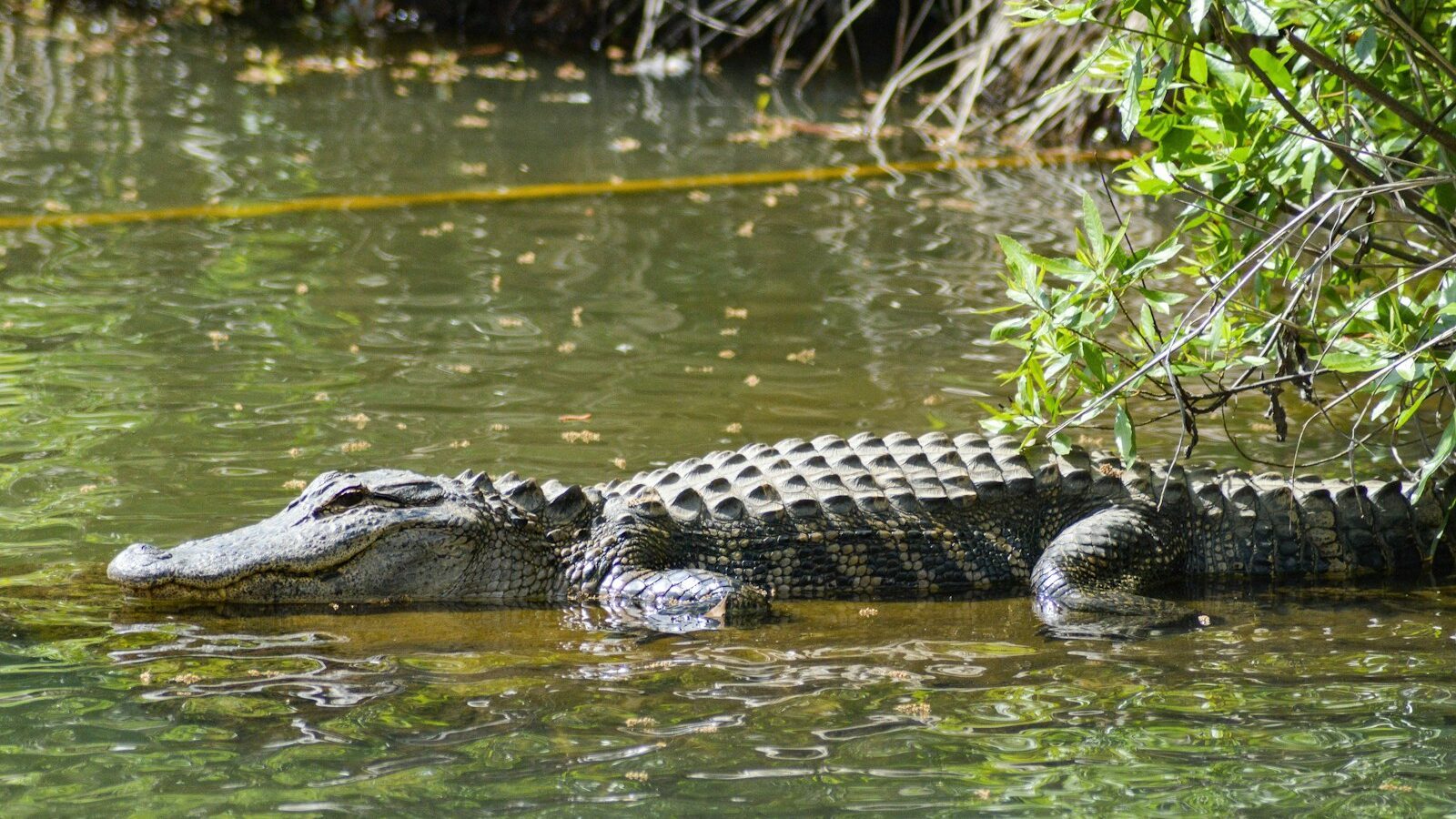
It is one of the first questions almost every newcomer asks, usually half-joking and half-serious: what about the alligators? The honest answer is that yes, you are moving to a state with a very healthy alligator population, and no, that does not mean you will be dodging them on your way to the mailbox. Once you understand how they actually fit into daily life here, the fear tends to settle into something closer to respect.
The Honest Reality
Alligators live throughout Florida, and the Sarasota area is no exception. They favor fresh and brackish water, which means lakes, ponds, rivers, canals, marshes, and the retention ponds that dot nearly every community. If there is standing fresh water nearby, there is a reasonable chance an alligator passes through it at some point. You will very likely see one during your time here, sunning on a bank or cruising a pond at dawn.
Here is the part that calms most people down. Serious alligator incidents are genuinely rare, especially measured against how many millions of people and alligators share this state. Alligators are naturally wary of humans and would much rather avoid you than interact with you. The overwhelming majority of the time, they hold still, slip into the water, or simply ignore you. Treating them as a constant menace misreads the situation. Treating them as wildlife that deserves distance gets it exactly right.
Where You Will and Will Not See Them
Geography matters. You are far more likely to encounter an alligator near freshwater features than at the beach. The Gulf and the barrier islands are saltwater environments, so a day on Siesta Key or Lido is not where gators hang out. They show up instead around:
- Neighborhood and golf-course ponds, and stormwater retention ponds
- Freshwater lakes, canals, and slow rivers
- Marshes, preserves, and wetland edges
This is one reason your community and home site shape your day-to-day experience. A condo near the beach or a home well away from water will rarely put you face to face with one, while a house backing up to a pond or a preserve will make sightings part of the scenery. Inland, master-planned communities like Lakewood Ranch are full of managed lakes and ponds, so residents there get comfortable with the occasional sunbather on the bank fairly quickly.
A Few Simple Habits That Keep It a Non-Issue
Coexisting with alligators is not complicated. A handful of habits handles almost everything:
- Never feed them, ever. This is the single most important rule, and it is also illegal in Florida. A fed alligator loses its natural fear of people, and that is when an animal becomes genuinely dangerous. Do not toss food scraps near ponds either.
- Keep your distance. Give any alligator plenty of room, and never approach one for a photo. They can move quickly over short distances on land.
- Swim only in designated, maintained swimming areas, not in random freshwater ponds, lakes, or canals, and be extra mindful at dusk and dawn when alligators are most active.
- Watch the edges. Do not let curiosity pull you right up to the waterline of a pond known to hold gators.
Follow those and the risk to you personally drops to something most longtime residents simply never think about.
The Real Precaution: Your Pets
If there is one place to focus your caution, it is pets rather than people. Small dogs in particular can look like prey to an alligator, and the water's edge is exactly the wrong place for an off-leash dog. The fix is easy. Keep dogs leashed near any fresh water, do not let them swim or drink from ponds and canals, and walk them away from the bank. Plenty of dog owners live happily on the water here by simply building that habit. We cover more pet-specific tips in our guide to finding the right community for your situation, and a local agent can tell you which neighborhoods sit near water and which do not.
What Happens If One Shows Up Where It Should Not
Sometimes an alligator turns up in a pool, a garage, or a spot where it clearly does not belong. Florida has a long-standing nuisance alligator program for exactly this. Rather than dealing with the animal yourself, you report it through the state's wildlife agency, and a licensed trapper handles removal. It is a routine, well-worn process, and it is part of why the system works as smoothly as it does. Knowing that resource exists takes a lot of the worry out of the equation.
Keeping It in Perspective
It helps to put alligators next to the other realities of Gulf Coast living. Newcomers spend a lot of energy worrying about gators and comparatively little on the things that actually shape daily life here, like summer heat, afternoon storms, and planning for hurricane season. Alligators are a managed, predictable part of the ecosystem. They are the reason the wetlands are healthy, and most residents come to see them as a feature of the landscape rather than a threat. If you love being on the water, our guide to waterfront living and boating walks through the lifestyle honestly, gators and all.
None of this is a reason to cross Florida off your list. Hundreds of thousands of people live here near water, walk their dogs every morning, kayak the rivers, and golf past pond after pond without incident, precisely because they respect the wildlife and follow a few simple rules. Go in informed rather than afraid, and the alligators become just another part of what makes this place feel wild and beautiful.
Worried about water proximity, or want a community where ponds are not in your backyard? Take our community-match quiz to find the spot that fits your comfort level, or talk with a local expert who can point you toward the right neighborhood in Sarasota or beyond.



Ready to find your place on the Suncoast?
Take the 60-second quiz to find your community, or talk to a local expert now.