
Hurricane Season on the Gulf Coast: What to Actually Expect
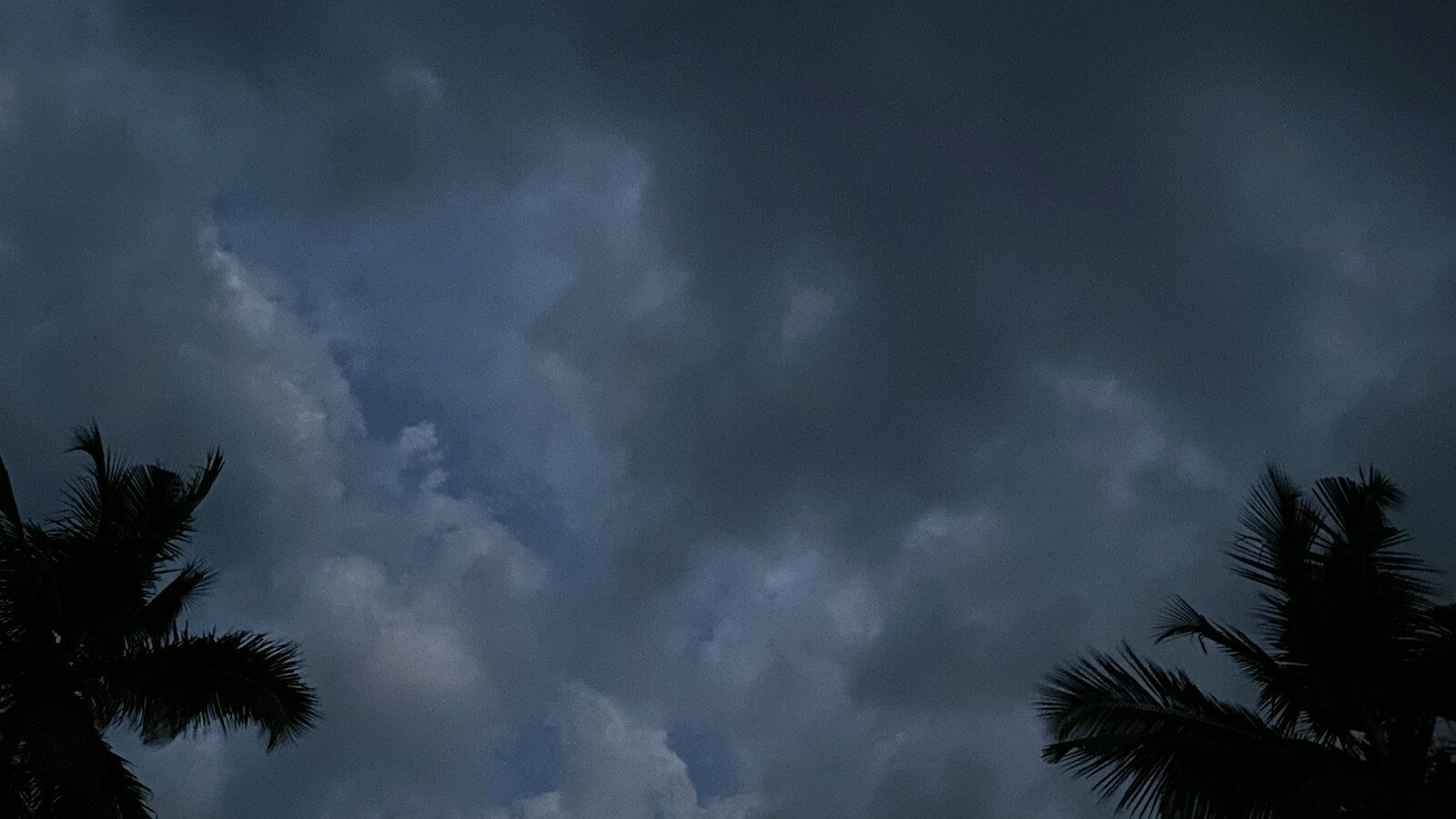
If you are nervous about hurricanes before moving to Sarasota, that is a reasonable thing to think about, and you are not overreacting by asking the question. The honest answer is that hurricane season is real and worth respecting, but it is also far more manageable than the dramatic news coverage suggests, especially once you understand how it actually shapes daily life and the choices you make when you buy a home.
When Hurricane Season Runs (and What That Really Means)
Atlantic hurricane season officially runs from June through November, with the most active stretch generally falling in the late summer and early fall. That is a long window, and it is easy to read "six months of hurricane season" as "six months of danger." In practice, the season is a period when conditions can form storms, not a forecast that they constantly will.
The vast majority of days during the season on the Gulf Coast are simply ordinary Florida days. You get warm mornings, an afternoon thunderstorm that rolls through and clears out, and a sunset over the water. A named storm that actually threatens any one specific stretch of coastline is a far less frequent event than the calendar might imply. Living here means staying aware during the season, not living in a state of alarm through it.
A Season Is Not a Direct Hit
This is the distinction that calms most newcomers down once it clicks. A hurricane season is a window of possibility. A direct hit is a specific storm tracking over a specific place at a specific time. The Gulf Coast is a long shoreline, and any individual storm interacts with only a small portion of it.
What that means for you is that "Florida had a hurricane this year" and "a hurricane hit my neighborhood" are very different sentences. Many seasons pass for a given community with nothing more than some heavy rain, gusty wind, and a few branches in the yard. The serious, evacuation-level events are the ones that make national news precisely because they are not the everyday experience. Respect them, prepare for them, but do not assume they are routine.
How Storm Risk Shapes Where and What You Buy
Here is the practical part that genuinely matters. On the Gulf Coast, geography drives risk more than almost anything else, and a little homework at the buying stage pays off for years. The two big concepts to learn are flood zones and evacuation zones. They are not the same thing. A flood zone reflects the long-term risk of water reaching a property and affects insurance. An evacuation zone determines whether local officials may ask you to leave ahead of a specific storm.
As a rule of thumb, the barrier islands and low-lying areas closest to the water carry the highest exposure, while inland and higher-elevation neighborhoods carry less. This is one reason many cautious movers look at communities like Lakewood Ranch, which sits farther inland and at higher elevation and often falls outside the coastal evacuation and high-risk flood zones that affect properties right on the coast. If you love the idea of being near the water in Sarasota proper, you can absolutely do that. You just want to go in knowing the zone you are buying into.
What to Look for in the Home Itself
- Construction type. Concrete block construction tends to stand up to wind better than older wood-frame builds.
- Age and code. Florida tightened its building codes significantly after past major storms, so newer homes are generally built to stronger wind standards than older ones.
- Impact windows and doors. Impact-rated glass or solid shutter systems protect the building envelope, which is what keeps wind and water out.
- Elevation. How high the home sits, and whether it has ever taken on water, is worth asking about directly.
None of this means you must buy the newest or most fortified home on the market. It means these features are real factors in safety, insurability, and resale, and you should weigh them with eyes open rather than discover them later.
Insurance and Your Budget
Insurance is where hurricane risk meets your wallet, and it deserves honest attention before you fall in love with a listing. In coastal Florida, homeowners insurance and flood insurance are real line items that vary a great deal based on location, elevation, construction, and the age of the home.
A couple of things are worth understanding up front. Standard homeowners policies typically do not cover flood damage, which is why flood insurance is often a separate consideration, particularly in or near higher-risk flood zones. Properties in lower-risk inland areas generally face lower insurance costs than those right on the coast, which ties directly into your monthly math. Because these costs can move your total housing budget meaningfully, it is smart to factor them in early. Our cost of living overview can help you see where insurance fits in the bigger picture, and if you are mapping out a purchase, working through the numbers with a mortgage professional who knows this market will give you a realistic monthly figure rather than a surprise after closing.
Practical Preparation That Actually Helps
Preparation is what turns hurricane season from a source of anxiety into a routine you handle calmly, the same way northern transplants eventually stop dreading the first snowstorm. None of it is complicated. The point is to decide your plan when skies are clear, not when a storm is three days out and the stores are busy.
- Know your evacuation zone. Look it up for your specific address so you are never guessing whether an order applies to you.
- Have a plan. Decide in advance where you would go and what would prompt you to leave, including any pets and important documents.
- Keep basic supplies. Water, non-perishable food, medications, batteries, a way to charge devices, and some cash cover most short-term needs.
- Stay informed through official sources. Local emergency management and the National Weather Service give you the guidance that matters, free of the hype.
Most longtime residents will tell you the routine becomes second nature. You watch the tropics during the season, you keep your supplies stocked, and the rest of the year you simply enjoy the place you moved here for.
Should This Stop You From Moving Here?
No. But you should move here informed, and that distinction is the whole point of this article. Hurricanes are a genuine part of life on the Gulf Coast, and pretending otherwise would not be fair to you. They are also a known, plannable risk that hundreds of thousands of people manage every year while enjoying the water, the weather, and the lifestyle that brought them here in the first place.
The newcomers who do best are the ones who treat storm risk as one factor among many rather than the only factor or no factor at all. They learn the zones, they buy a home that fits their comfort level, they budget honestly for insurance, and then they get on with living. If you do that, hurricane season becomes a season you respect and prepare for, not one that controls your decision.
The best move from here is to get specific about your own situation, because the right answer depends heavily on which neighborhoods, price ranges, and risk tolerances fit you. A local professional who knows these zones street by street can save you from both unnecessary worry and unwelcome surprises. If you want a quick, low-pressure way to start narrowing things down, take our relocation quiz to see which Suncoast communities line up with what you are looking for, and use it as a starting point for a real conversation about where you will feel at home.


Ready to find your place on the Suncoast?
Take the 60-second quiz to find your community, or talk to a local expert now.