
Waterfront Living and Boating on the Suncoast
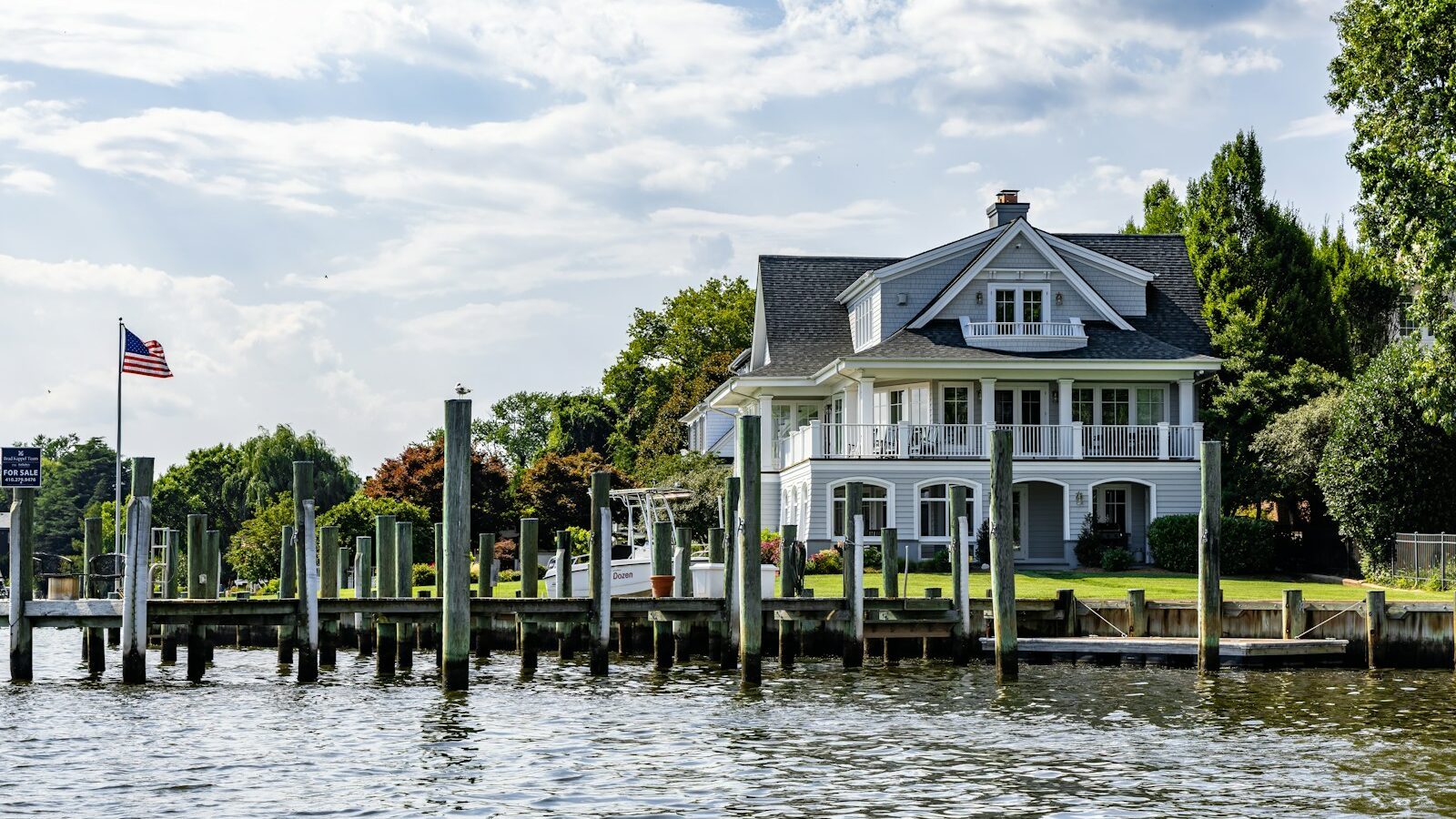
There is a particular kind of morning that draws people to the Suncoast. Coffee in hand, you step out back, the water is glass-flat, and a pod of dolphins rolls past while you decide whether today is a fishing day or a sandbar day. For a lot of newcomers, living on the water is the whole dream. The good news is that the Sarasota and Bradenton area offers more ways to put yourself near the water than most people expect. The honest news is that waterfront living comes with real tradeoffs, and the smart move is to understand them before you fall for a view.
Here is how it actually works, from the kinds of waterfront you can buy to what daily boating life feels like, plus the practical questions to ask before you commit.
Why the Water Pulls People Here
Start with the geography, because it shapes everything. The Gulf of Mexico sits to the west, and a chain of barrier islands runs just offshore. Between those islands and the mainland lie sheltered bays and the intracoastal waterway, calmer water that is friendlier for daily boating than the open Gulf. To the north, the Manatee River widens toward Bradenton and feeds into the bay. Threading through many mainland neighborhoods are canals, some natural and some dug, that let homes sit right on navigable water.
That mix is the appeal. You can have a wide-open Gulf horizon, a protected bay with sunset views, a quiet river setting, or a tucked-away canal where your boat waits a few steps from the back door. Each one feels like a different version of Florida.
The Main Types of Waterfront Property
Waterfront is not one thing, and the differences matter for both lifestyle and budget.
Gulf-front
These are the homes and condos facing the open Gulf, often out on the barrier islands. You get the big water, the surf sound, and unobstructed sunsets. You also get the most direct exposure to weather and salt air, and these tend to be the priciest properties in the region. Many Gulf-front spots are condos rather than single-family homes with private docks.
Bay-front and river-front
Facing one of the bays or the Manatee River, these properties trade some of the dramatic surf for calmer, more protected water. The views are still wide, the sunsets are still there, and the water is generally easier for boating and paddling. River-front living around Bradenton has its own relaxed character.
Canal and dock homes
This is where a lot of practical boaters end up. A canal home sits on a man-made or natural waterway with a private dock or seawall, so your boat lives in your backyard. The key distinction here is access. Some canal homes offer direct access, meaning a clear run out to the bay or Gulf with no obstacles. Others have bridged access, where you pass under one or more fixed bridges to reach open water. A low fixed bridge can quietly disqualify a sailboat or a tall powerboat, so this detail is not a footnote.
Dry storage and marinas
You do not have to own waterfront to have a boat life. Dry storage facilities and marinas let you keep a boat near the water and have it launched when you want it, often for far less than the premium of a waterfront home. For many newcomers, this is the sensible on-ramp: live inland or in a community you love, and keep the boat nearby.
What Boating Life Actually Feels Like
The day-to-day here is genuinely good. Dolphins are a regular sight, not a special event, and manatees show up in the warmer, sheltered waters. Fishing is a year-round draw, from inshore flats to deeper Gulf trips, and you do not need a big boat to enjoy it.
Island-hopping is one of the real joys. With protected water connecting the bays and the intracoastal, you can spend a day moving between waterfront restaurants, quiet anchorages, and beaches you can only reach by boat. On weekends, local sandbars become floating gathering spots where boats raft up in shallow water. If beaches are part of your draw, our guide to the area's beaches pairs naturally with a boat, since some of the best stretches of sand are easiest to reach from the water.
The Honest Tradeoffs
Now the part too many listings skip. Waterfront living costs more in ways that go beyond the purchase price.
Expect higher prices across the board, since water access is one of the strongest premiums in this market. Beyond that, insurance and flood considerations are a serious line item. Waterfront and low-lying property can carry higher premiums, and flood coverage is its own separate question that depends heavily on the specific location. Do not estimate this in your head. Get real numbers early, because they can change what you can comfortably afford. Our Florida home insurance guide walks through what to expect and why coastal property is treated differently.
There is also maintenance. Salt air is hard on everything it touches, from metal fixtures to outdoor furniture to the boat itself. A waterfront home asks for more upkeep than an inland one. Add to that dock and seawall upkeep, which are real assets that age and eventually need repair or replacement. A tired seawall can be an expensive surprise, so it belongs on your inspection list.
Finally, storm exposure is part of the deal on any coast. Being close to the water means being more exposed when weather arrives. None of this should scare you off, but all of it should be priced in honestly before you sign anything.
How to Evaluate Access If Boating Is the Goal
If the boat is the whole point, then access is more important than the view. A gorgeous canal home that traps your boat behind a low bridge or a shallow channel will frustrate you fast. Walk through these questions before you commit.
- Water depth. How deep is the water at the dock at low tide, not just at high tide? A spot that floats your boat at noon may leave it sitting on the bottom by evening. Ask about controlling depth along the whole route out, not just at the dock.
- Bridges. Are there fixed bridges between the home and open water, and how high are they? Verify the vertical clearance against the boat you actually plan to own. This single factor separates direct-access homes from bridged ones.
- Distance to the Gulf. How long is the run from the dock to the bay and then out to the Gulf? A short hop is very different from a forty-minute idle through no-wake zones every time you want to fish.
- Dock and seawall condition. What shape are they in, and is there a lift? Factor any near-term repairs into your offer.
Verify every one of these with the listing agent, the seller, and ideally a marine professional. Do not rely on a sunny showing to answer questions that only show up at low tide or in a storm.
Matching Waterfront to Your Life
The right answer depends on how you actually plan to live. A serious angler who wants to fish before work has different needs than a couple who wants sunset views and the occasional cruise. Someone who travels often might be happiest with dry storage and an inland home. The communities around Sarasota and Bradenton offer very different flavors of waterfront, from busy intracoastal access to quiet river settings, and the price and insurance picture shifts with each.
Be honest about the boat you will really use, the budget you can carry once insurance and upkeep are included, and how much water access matters versus simply being near it. That clarity will save you from buying a dream that does not fit your week.
Where to Go From Here
Waterfront living on the Suncoast can absolutely live up to the postcard, as long as you go in with clear eyes about access, cost, and upkeep. If you are not yet sure which version of water life fits you, our community-match quiz is a quick way to narrow things down based on how you actually want to spend your days. And when you are ready to look at specific homes and docks, a local expert who knows the bridges, the channels, and the low-tide quirks is worth their weight. The water has been here a long time, and it is not going anywhere. Take the time to find the spot that truly fits.



Ready to find your place on the Suncoast?
Take the 60-second quiz to find your community, or talk to a local expert now.