
Where to See Manatees and Dolphins Around Sarasota
One of the quiet pleasures of moving to Florida's Gulf Coast is realizing that the wildlife here does not stay politely offshore. Around Sarasota, Bradenton, and Lakewood Ranch, the water is full of life, and two of the friendliest faces in it are the manatee and the bottlenose dolphin. Newcomers tell us the same thing again and again: the first time you watch a dolphin surface beside a bridge, or spot the gentle gray back of a manatee drifting through a marina, the move suddenly feels real. You are home, and you live somewhere genuinely wild.
The good news is that you do not need a boat, a guide, or any special gear to start spotting these animals. You just need to know where to look, when to go, and how to do it responsibly. Below we will walk you through the local hotspots, the seasons, the gentle rules that keep these animals safe, and a few other creatures you are likely to meet along the way.
Meet the locals: manatees and dolphins
The West Indian manatee, often called the sea cow, is a slow, rounded, plant-eating giant that can reach ten feet and weigh well over a thousand pounds. Despite their size they are gentle and curious, grazing on seagrass and surfacing every few minutes for a breath. Manatees cannot tolerate cold water, which shapes everything about where you find them and when.
Bottlenose dolphins are the other star of our waters, and they could not be more different in temperament. Fast, playful, and highly social, they travel in small groups, hunt fish in the bays and passes, and often ride the wake behind boats. Many of the dolphins in our area are year-round residents, so your odds of seeing them are good in any season.
Where and when to look for manatees
Because manatees seek out warmth, the season makes a real difference. In the warmer months they spread out across shallow, calm water: think grassy flats, quiet canals, marinas, boat basins, and the edges of the bays where seagrass grows. Early morning, when the water is still and glassy, tends to be the best time to catch one grazing near the surface.
In the cooler months, roughly late fall through early spring, the pattern changes. When Gulf and bay temperatures drop, manatees gather in pockets of naturally warmer water. They are drawn to spring-fed waterways, deeper basins, and the warm-water outflows that stay above the chilly surrounding bay. On the coldest mornings you may find several clustered together in these refuges. If you see a roped-off or signed manatee protection area, that signage exists for a reason, so admire from the marked edge and let them rest.
Residential canals and dock-lined marinas are reliable spots to scan year-round. Manatees often nose into freshwater sources, which is exactly why one of the most important rules, covered below, is to never offer them water from a hose.
Where dolphins tend to gather
Dolphins favor moving, deeper water where fish congregate. The bays, the passes that connect the bays to the Gulf, and the Intracoastal Waterway are all strong bets. Bridges and inlets concentrate baitfish, and dolphins know it, so the water around a causeway or a pass can be excellent for watching them hunt. They also love to surf the wake behind boats, so if you are out on the water and a fin appears off the stern, slow down, enjoy it, and let them choose how close they come.
From land, look toward channels and tidal currents rather than the flat shallows. A changing tide, when water is pushing through a pass, often brings feeding activity and the splashing that gives dolphins away.
Ways to watch: from shore, from a paddle, or by tour
You have three easy options, and all of them work.
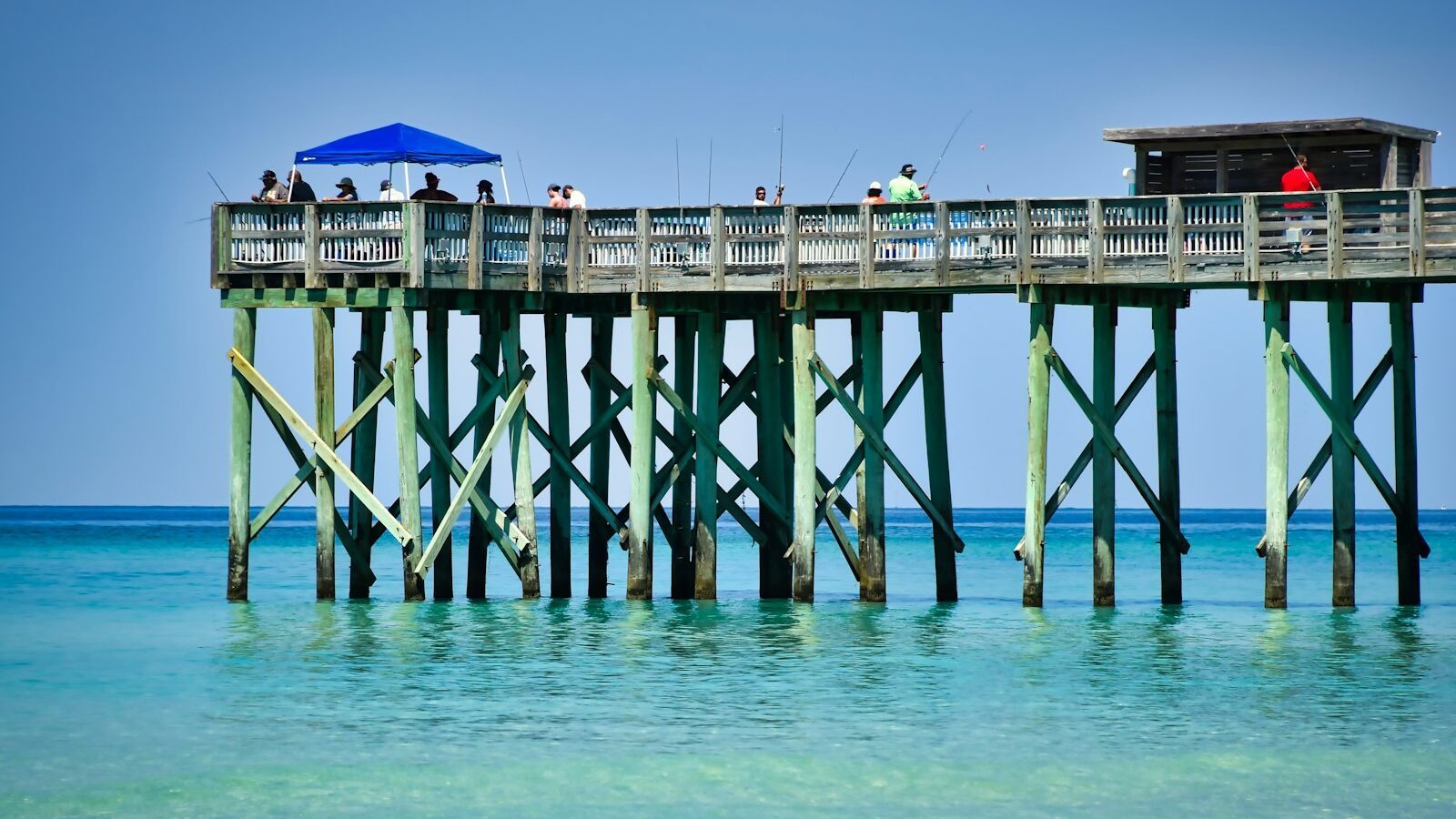
- From land: Public piers, fishing piers, jetties, beaches, and bayfront parks give you a free front-row seat. Bring binoculars, find a quiet spot near deeper water or a pass, and give it time. Many of these same vantage points show up in our guide to Sarasota parks, trails, and outdoors.
- By kayak or paddleboard: A quiet paddle through mangrove tunnels and seagrass flats is one of the most magical ways to encounter wildlife, because you make almost no noise. Launch from a public kayak ramp, stay in shallow protected water if you are new to it, and never paddle toward an animal. Let it come to you, or simply rest your paddle and watch it pass.
- On a guided tour: Plenty of local boat and eco tour operators run wildlife and dolphin-watching trips out of our marinas. A knowledgeable captain knows the seasonal patterns, follows the speed rules, and can put you in the right water without disturbing anyone. It is a relaxed, low-effort way to learn the area, and a fine first outing for a new resident.
Responsible wildlife watching: the rules that matter
Watching these animals is a privilege, and a few simple rules keep it that way. Manatees in particular are protected by federal and state law, and the protections are strict for good reason: boat strikes and human interference are among their biggest threats.
- Never feed, touch, chase, or harass wildlife. For manatees this is the law, not just etiquette. Harassment includes pursuing, cornering, or disturbing an animal's natural behavior.
- Do not give manatees fresh water. It seems kind, but offering water from a hose teaches them to approach docks and people, which puts them in harm's way. Let them find their own.
- Obey manatee zones and slow-speed signs. If you operate a boat, learn the local speed zones, watch for the wide swirl on the surface that signals a manatee below, wear polarized sunglasses to spot them, and stay in marked channels.
- Keep your distance. A good rule of thumb is to stay back and let the animal stay in control of the encounter. Never separate a mother from a calf, and never surround a group with kayaks or paddleboards.
- Look, do not lead. With dolphins, never chase or try to swim with wild ones. Passive observation is both safer and far more rewarding.
Framed simply: be a guest, not a host. The best encounters happen when the animal forgets you are there.
Seasons and best times of day
Dolphins are reliable year-round, with feeding activity often picking up around tide changes morning and evening. Manatees are most concentrated and easiest to find in the cooler months when they gather in warm-water refuges, while in summer they are present but more spread out. Across the board, early morning is golden: the water is calm, the light is soft, glare is low, and the animals are active. A breezy, choppy afternoon makes everything harder to spot, so when you can, go early.
Other neighbors you might meet
Once you start watching the water, you will notice the cast is much larger than two species. Sea turtles surface for air offshore and nest on our beaches in the warmer months, when lighting rules protect the hatchlings. Rays glide along sandy bottoms in the shallows, and the harmless habit of shuffling your feet in the water, the so-called stingray shuffle, lets them move off before you step near. Shore birds are everywhere: pelicans diving, herons and egrets stalking the flats, ospreys overhead, and roseate spoonbills adding a splash of pink. If marine life turns out to be your thing, you will find plenty more on the water in our roundups of fishing in the Sarasota area and things to do in the Sarasota area.
Spotting manatees and dolphins is the kind of small daily magic that makes Suncoast living feel special, and it only gets richer once you know which neighborhood puts you closest to the water you love. If you are still weighing where to land around Sarasota, Bradenton, or Lakewood Ranch, take our community-match quiz and let us help you find the spot that fits your life by the water.


Ready to find your place on the Suncoast?
Take the 60-second quiz to find your community, or talk to a local expert now.