
Short-Term Rental Rules on the Barrier Islands
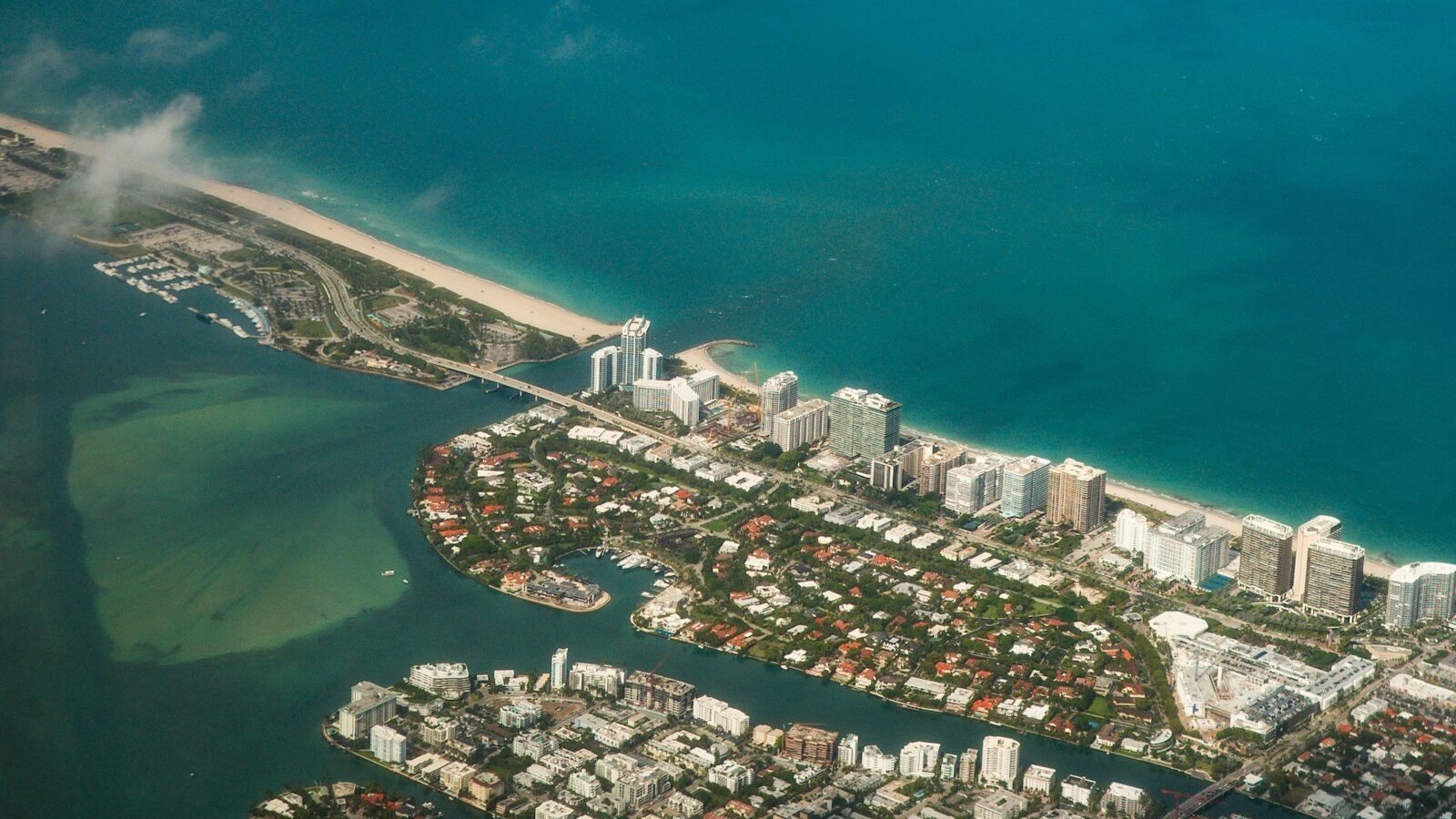
Buyers fall in love with the idea of owning a slice of the Gulf Coast and renting it out by the week when they are not using it. It is a reasonable plan, and plenty of owners do exactly that. The catch is that the barrier islands strung along this coast do not share a single rulebook. Two homes that look identical, separated by a short bridge or even a single property line, can sit under completely different rules about how short a stay you are allowed to offer.
This guide walks the islands one at a time so you can see how the patterns differ. Treat everything here as a general orientation rather than legal advice. The single most important habit when shopping for an income property out here is to pin down the exact address, learn which town or jurisdiction governs it, and confirm the current rules directly with that municipality before you write an offer.
Why the islands are such a patchwork
The fragmentation is not an accident of bad planning. It comes from history. Florida communities adopted vacation rental ordinances at different times, and a state law passed years ago limited how aggressively local governments could regulate rentals going forward. Towns that already had rules on the books were generally allowed to keep them, while later attempts to tighten things faced new limits.
The result is a layered map. Some islands answer to county government, some to their own town hall, and some to several town governments at once. A few areas were grandfathered under older ordinances that newer neighbors do not enjoy. Add zoning into the mix, where a single-family lot and a multi-family parcel down the street follow separate tracks, and you get the situation buyers run into today. The broad strokes are knowable. The specifics belong to the address.
If you want a deeper look at the county-level framework that sits underneath all of this, our Sarasota short-term rental rules guide is a good companion to this island tour.
Siesta Key and Lido Key: county and city overlap
Siesta Key and Lido Key both sit on the Sarasota side of the region, and both can be a little confusing because of where the city line falls. Most of Siesta Key is unincorporated Sarasota County, which means the county sets the rental rules. Lido Key, on the other hand, sits inside the City of Sarasota, and parts of the keys near the city can fall under city regulation. The lesson is the same for both: do not assume the rules based on the island name alone. Find out whether your specific parcel is county or city.
A pattern shows up repeatedly in this area, and it is worth understanding even though it is not a universal guarantee. Single-family homes often face a longer minimum stay, frequently in the range of a full month, while multi-family buildings and condominiums in certain residential multi-family zoning categories can sometimes allow shorter stays. Zoning is the deciding factor more often than the building's appearance. A condo in the right zone may permit weekly rentals where a detached house on the next street cannot.
Inside the City of Sarasota, there has historically been a rule allowing stays of about a week or longer in some areas, paired with a registration requirement for owners who want to rent. Registration matters. Even where short stays are permitted, towns and the city commonly want the property on file, with safety information posted and local contacts available.
Because these two keys are so often compared by buyers weighing beach access against walkability, you may also want to read our Siesta Key versus Lido Key comparison alongside this section.
Longboat Key: one town, two counties
Longboat Key is the island that surprises people most. It is its own incorporated town with its own town government and its own ordinances, and it stretches across the county line. The northern portion sits in Manatee County and the southern portion sits in Sarasota County, but for rental purposes the town's own rules are what you follow rather than either county's.
Longboat has long worked to protect its quiet, residential character, and its approach to short-term rentals tends to reflect that. Minimum-stay requirements and the zones where rentals are allowed are set by the town, and they can differ noticeably from what you would find on neighboring islands. Do not carry over assumptions from Siesta or Anna Maria. The fact that an owner on a nearby key rents by the week tells you nothing reliable about what you can do on Longboat.
If you are looking at a Longboat property, go straight to the town for the current ordinance, and confirm whether your parcel's zoning allows the rental cadence you have in mind. This is one island where guessing has cost buyers real money.
Anna Maria Island: three towns, one island
Anna Maria Island sits on the Manatee County side, north of Longboat Key, and it is the most tourism-oriented of the bunch. That reputation can lull buyers into thinking the whole island welcomes vacation rentals on the same terms. It does not, because the island is divided among three separate town governments, each with its own town hall and its own rules.
From north to south, those towns are Anna Maria, Holmes Beach, and Bradenton Beach. Each one sets its own minimum-stay rules, its own registration and licensing requirements, and its own approach to enforcement. A property in Holmes Beach and a property in the City of Anna Maria can face different obligations even though they share the same island and the same beach.
The island as a whole leans toward visitors, with a strong rental culture and a long history of weekly vacationers. That broad orientation is real, but it is not a substitute for checking the specific town. Registration is commonly required across these towns, and the details of who you register with, what you owe, and how short a stay you may offer depend entirely on which of the three towns holds your address.
For a fuller picture of the island's neighborhoods, beaches, and feel, see our Anna Maria Island guide. And because Anna Maria connects so closely to the mainland just across the bay, buyers weighing it often look at the Bradenton area too.
What to verify before you buy
The same short checklist works no matter which island you are considering. Run through it for every property, every time, because the answers shift from one parcel to the next.
- Jurisdiction. Determine whether the property is governed by a county or by a specific town, and get that in writing.
- Zoning. Confirm the parcel's zoning category, since single-family and multi-family zones frequently follow different rental rules.
- Minimum stay. Ask the governing municipality for the current minimum-stay rule rather than relying on what a neighbor does.
- Registration and licensing. Find out what registration, licensing, taxes, and posted safety information the jurisdiction requires.
- Association rules. If the property is a condo or sits in an HOA, read the association documents, which can be stricter than the town.
Notice how often the word "current" appears. Ordinances get amended, court rulings reshape what towns can enforce, and state law continues to evolve. A rule that held true two years ago may not hold today, which is why a fresh check with the municipality beats any guide, including this one.
A careful word on income expectations
It is tempting to build a budget around the most optimistic rental scenario and then go shopping for a house that fits it. Flip that order. Decide what kind of stay you want to offer, learn where that is actually allowed, and then look at properties that match. Buying first and hoping the rules cooperate is how owners end up with a beautiful home they cannot rent the way they planned.
There is good news in all of this. Once you understand the jurisdiction and zoning behind an address, the rules become predictable rather than mysterious. The islands are not trying to trip you up. They are simply governed by different bodies that made different choices over many years.
Find your fit, then confirm the rules
If you are still deciding which island or which side of the bay suits your goals, start with the lifestyle question before the legal one. Our community-match quiz can help you narrow down where you actually want to be, which makes the rental research far more focused. From there, a local expert who works these islands every week can point you to the right town hall and help you confirm the current rules for a specific address. Get the fit right first, then verify the details, and the rest of the plan tends to fall into place.



Ready to find your place on the Suncoast?
Take the 60-second quiz to find your community, or talk to a local expert now.