
Understanding Florida's Property Insurance Market
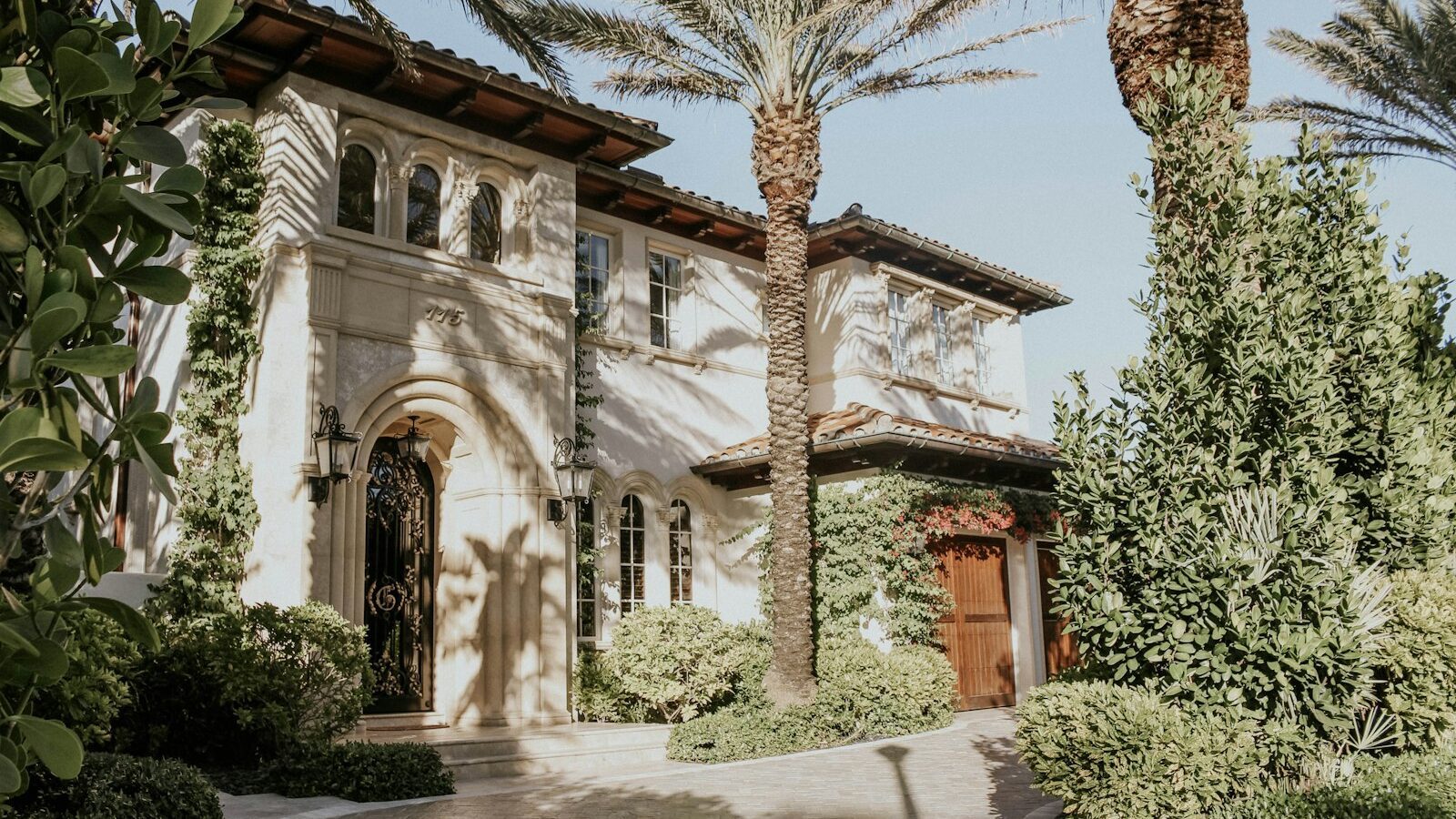
If you are moving to the Sarasota, Bradenton, or Lakewood Ranch area from somewhere else, there is a good chance property insurance is the piece of the budget that will feel most unfamiliar. In a lot of the country, homeowners insurance is a modest line item you set up a week or two before closing and rarely think about again. Florida is different. Here, insurance is more expensive and more complicated than what most newcomers are used to, and it deserves early attention rather than a last-minute scramble at the closing table. We want to be upfront about that, without being alarmist, because the whole thing is very manageable once you understand how it works.
Why It Costs More Here
The short answer is geography and weather. Our stretch of the Gulf Coast is beautiful, and it also sits in the path of tropical storms and hurricanes. When a single major storm can produce claims across an entire region at once, insurers price that risk into every policy they write. That is the biggest driver, and it is not unique to Sarasota. It is true up and down the Florida coast.
On top of the weather, Florida's insurance market has been through a stretch of turbulence in recent years. Some carriers have left the state or tightened what they are willing to write, which has meant fewer options and firmer pricing. The practical takeaway for a newcomer is simple: do not assume the rate you paid up north will carry over, and do not treat insurance as an afterthought. Give it a real place in your planning, right alongside the mortgage and the property taxes. Our cost of living overview puts insurance next to the other recurring expenses so you can see the whole monthly picture.
Shop Early, Because It Can Make or Break a House
This is the single most important habit we can pass along. Get an insurance quote early, ideally on the specific house you are considering, while you are still inside your inspection period and have room to negotiate or walk away. The reason is that insurance cost is not the same from house to house. A quote based on a neighborhood or a price range is close to useless, because premiums are tied to the exact property.
Two homes on the same street can come back with very different numbers, and in some cases the insurance cost is what makes a particular house affordable or not. Buyers who wait until after they are under contract sometimes find that the premium reshapes their monthly budget. Getting the quote early turns that risk into ordinary information you can plan around.
The House Itself Matters a Lot
In Florida, the age and condition of a home's major systems have a real effect on both what you will pay and whether a carrier will write the policy at all. The roof gets the most attention, because it is a home's first line of defense in a windstorm. Roof age, material, and shape all factor in, and a roof nearing the end of its life can make coverage harder to find or more expensive. Beyond the roof, insurers look closely at the plumbing, the electrical system, and the HVAC, especially on older homes.
A few things tend to influence insurability and price the most:
- The roof. Its age, material, and shape carry a lot of weight, and an older roof can complicate getting a policy.
- Plumbing and electrical. Outdated systems can raise costs or lead a carrier to ask for updates before they will write coverage.
- HVAC and overall condition. Serviceable, well-maintained systems make a home easier to insure.
- Age and construction type. Older homes, and certain roof types, can be genuinely hard to insure, while newer construction built to current codes is often viewed more favorably.
None of this should feel discouraging. It is the same information a good inspection surfaces anyway, which is why we always point people toward a thorough look at the property. Our guide to home inspections in Florida walks through what to expect and how the findings connect to your insurance conversation.
A Wind Mitigation Inspection Can Help
Here is a piece of good news that newcomers often do not know about. A wind mitigation inspection documents the features that help a home stand up to high winds, such as how the roof is attached, its shape, and certain protected openings. When a home has qualifying features, that inspection can support credits that lower the windstorm portion of your premium. It is generally worth asking whether a property qualifies, because the savings can be meaningful over time. For the broader mechanics of shopping and comparing policies, our Florida home insurance guide and our overview of shopping for insurance in Florida go deeper than we can here.
Flood Is a Separate Thing
One point that trips up a lot of newcomers: standard homeowners policies do not cover flood damage. Flood is its own coverage, bought separately, whether through the federal program or a private insurer. Given how much of our area sits near the Gulf, the bays, and inland waterways, flood coverage deserves real thought even when a lender does not require it. Because it works so differently, we gave it its own explainer. Our guide to flood insurance in Florida covers how it works and how to decide.
State-Backed Versus Private Carriers
As you shop, you will hear about two broad categories. Most policies come from private insurance companies that compete for business. Florida also has a state-backed insurer, Citizens Property Insurance, which functions as an insurer of last resort for homeowners who cannot find coverage in the private market. It exists as a backstop, not a first choice, and whether it makes sense for a given home is exactly the kind of question a local agent can help you sort through.
Practical Steps to Take
Put together, a calm and organized approach handles all of this without drama. A few habits tend to serve newcomers well:
- Get an insurance quote during your inspection period, on the actual address, before you are locked in.
- Ask the seller for the home's claims history, which can tell you a lot about the property.
- Budget for insurance as a monthly cost, since it is usually collected alongside your mortgage payment.
- Work with a local independent agent who shops multiple carriers and knows our flood zones and neighborhoods.
People insure homes here every single day. It just takes a little planning and a willingness to ask questions early. Our own role is simple: we are a local guide, not an insurer or a brokerage, and what we do best is connect people to trusted local pros who handle this for a living.
If you are still figuring out which part of the area fits your life and your budget, our community-match quiz is a good next step. And when you are ready to turn these general ideas into real numbers for a specific home, reach out and we will point you toward a local agent who can help you shop with confidence.



Ready to find your place on the Suncoast?
Take the 60-second quiz to find your community, or talk to a local expert now.