
Moving to Sarasota With Pets: A Newcomer's Guide
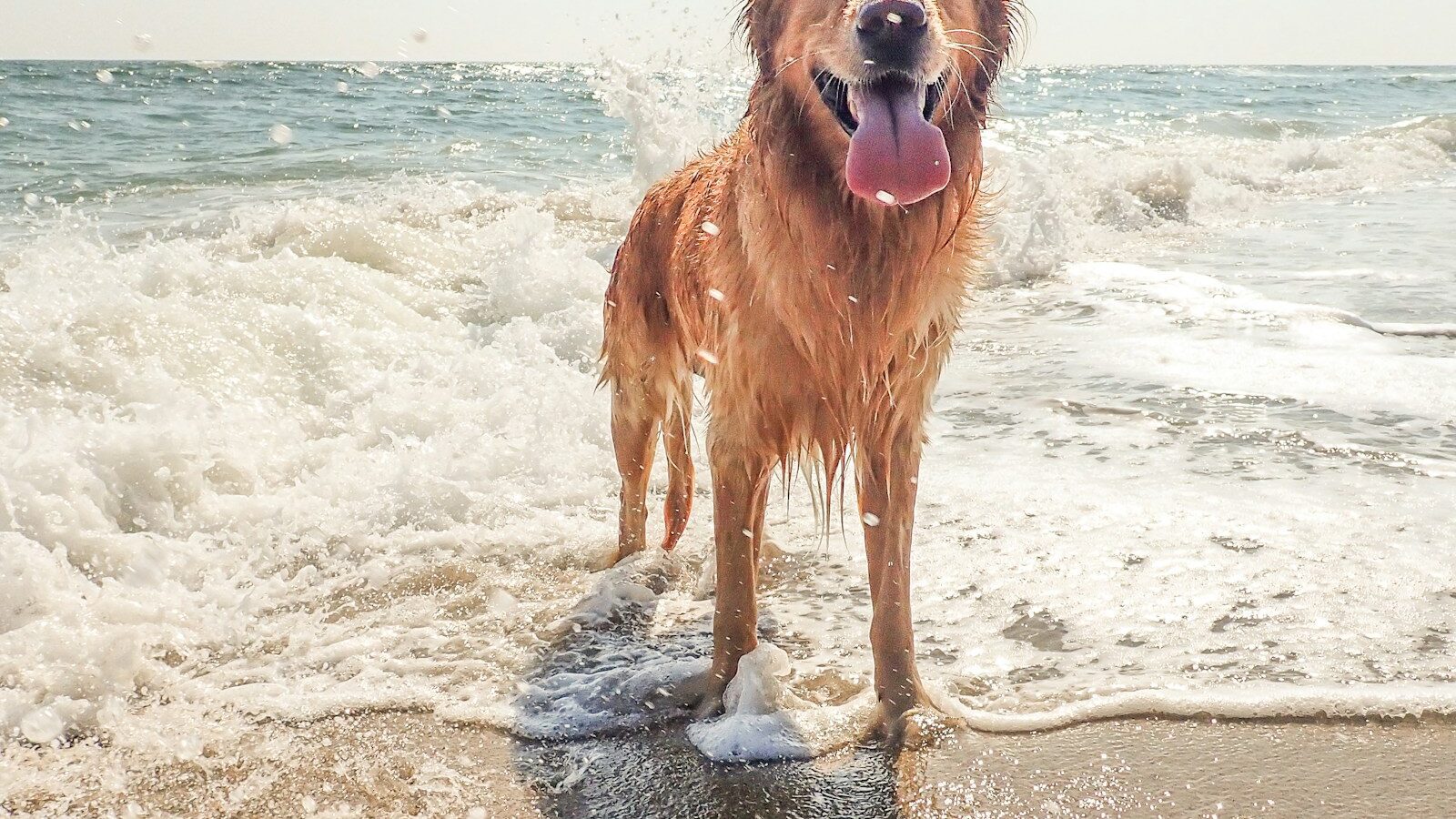
If you are planning a move to the Sarasota area and a dog or cat is coming along, you have picked a part of Florida that genuinely suits animals. The weather invites you outside almost every day of the year, the Gulf coast culture is relaxed and dog-friendly, and there is no shortage of grassy spaces, sidewalks, and water to enjoy. That said, the climate brings a few realities that newcomers from cooler states do not always expect. This guide walks you through what makes the region great for pets, what you should plan around, and how to handle the move itself so your animals land softly in their new home.
Why Sarasota Suits Pet Owners
The biggest draw is simple: you can be outdoors with your pet nearly year round. There is no long winter that keeps a dog cooped up for months, so daily walks, morning runs, and evening strolls stay on the calendar through every season. For active owners and active breeds, that consistency is a real quality-of-life upgrade.
The broader region between Sarasota and Bradenton has plenty of dog-friendly infrastructure. Many communities maintain off-leash dog parks, and certain stretches of coastline allow leashed dogs or set aside dog-friendly beach areas during posted hours. Rules vary from one municipality and beach to the next, so always confirm the current regulations for any specific spot before you go. You will also find paved trails, shaded neighborhood sidewalks, and walkable downtown districts where patios welcome a well-behaved pup. If you want a feel for the social side of the area, our roundup of things to do in the Sarasota area includes plenty of outings that work nicely with a dog in tow.
Choosing a Pet-Friendly Neighborhood
Where you settle shapes your daily routine more than almost anything else. Some areas are dense and walkable, with cafes and parks a short stroll away, while others are quieter and more spread out, better suited to a fenced yard and longer drives to amenities. Both can be wonderful with pets; it depends on what you and your animal enjoy.
Downtown and coastal pockets near Sarasota tend to favor walkers who like an urban rhythm and frequent patio stops. Master-planned communities such as those around Lakewood Ranch often lean toward green space, trail networks, and room to roam. As you compare options, picture an ordinary Tuesday: where does the dog get exercised, where does the cat watch the world from a window, and how far is the nearest vet? Those small details add up.
The Florida Heat and Sun
This is the adjustment that surprises the most newcomers. Summer here is hot and humid for a long stretch, and pavement absorbs that heat fast. Asphalt and concrete can get hot enough to burn paw pads, so a good habit is to press the back of your hand to the surface for several seconds. If it is too hot for your hand, it is too hot for their feet.
Shift walks to early morning and after sunset during the warm months, stick to grass and shade when you can, and carry water for both of you. Watch for heavy panting, drooling, or lagging behind, which can signal a pet is overheating. One rule deserves to be in bold: never leave a pet in a parked car, even briefly. Interior temperatures climb to dangerous levels within minutes here, and cracking a window does not solve it.
Wildlife, Water, and Critters
Florida shares its space with wildlife, and a little awareness keeps everyone safe. Alligators live in fresh and brackish water across the region, including lakes, ponds, canals, and the edges of some retention areas in residential communities. Keep dogs leashed and away from the water's edge near any freshwater body, do not let them swim or drink there, and steer clear of shorelines at dawn and dusk when wildlife is most active.
Pests are another year-round consideration. Because the climate never truly freezes, fleas, ticks, mosquitoes, and the heartworm they can transmit stay active all twelve months. That makes consistent, year-round prevention important rather than seasonal. Talk to a local veterinarian about the right preventives for your pet, since the approach can differ from what worked up north. You will also meet harmless local oddities like seasonal lovebug swarms, which are a nuisance more than a hazard. None of this should scare you off; it is simply the homework that comes with the territory.
Pet-Friendly Housing and HOA Rules
Before you fall for a home or sign a lease, dig into the pet policy. Many neighborhoods in the area are governed by homeowners associations or condo associations, and their rules around pets vary widely. Some cap the number of animals, some set weight or size limits, and a few maintain breed restrictions. These details are not always obvious in a listing, so request the governing documents and read them yourself rather than relying on a summary.
Rentals can be even stricter. Pet deposits, monthly pet rent, breed and weight limits, and outright no-pet policies are all common, and they differ from one landlord to the next. If a particular animal is non-negotiable for your family, make that filter part of your search from the very beginning. It is far easier than falling in love with a place and discovering your pet is not welcome. Building these questions into your home-hunt checklist early will save you stress later.
Planning the Move Itself
A long-distance move is stressful for animals, so a bit of preparation goes a long way. Start by gathering your pet's full medical records and an up-to-date list of vaccinations from your current vet, and confirm what documentation your method of travel requires. If you are flying, airline pet policies differ and can change seasonally, so check directly with the carrier well ahead of your date.
For a road trip, map out a realistic plan with frequent stops for water and bathroom breaks, pet-friendly lodging along the route, and a familiar blanket or toy to ease the ride. Keep food, medications, a leash, waste bags, and water within easy reach rather than buried in a box. The goal is to keep your animal's routine as steady as you can while everything else is changing. Our Sarasota relocation checklist can help you sequence the pet tasks alongside everything else on a move.
Settling In After the Move
Once you arrive, give your pet time to decompress. Set up a quiet space with their bed, bowls, and familiar items on day one so there is an anchor amid the unfamiliar smells and sounds. Keep feeding and walking times consistent, and supervise outdoor exploration closely at first, especially while your dog learns the new yard or your cat adjusts to new windows.
One of your first priorities should be finding a new veterinarian. Ask neighbors for recommendations, read local reviews, and schedule an introductory visit so you have an established relationship before any emergency. It is also a good moment to confirm local licensing or registration requirements and to update your pet's microchip and tags with your new address. A little structure in those early weeks helps an anxious animal feel at home faster than you might expect.
Land Softly, Together
Moving with pets is mostly about anticipating their needs the way you anticipate your own. Plan for the heat, respect the local wildlife, verify the rules wherever you choose to live, and keep their routine steady through the transition. Do that, and the Sarasota area rewards you both with sunshine, open space, and an outdoor lifestyle that is hard to beat. If you are still deciding where to land, take our quick community-match quiz to narrow down the neighborhoods that fit your household, pets included, or reach out to a local expert who can answer the pet-specific questions for any area you are eyeing.



Ready to find your place on the Suncoast?
Take the 60-second quiz to find your community, or talk to a local expert now.