
Beach Safety on the Gulf Coast: Rip Currents, Sun, and Stingrays
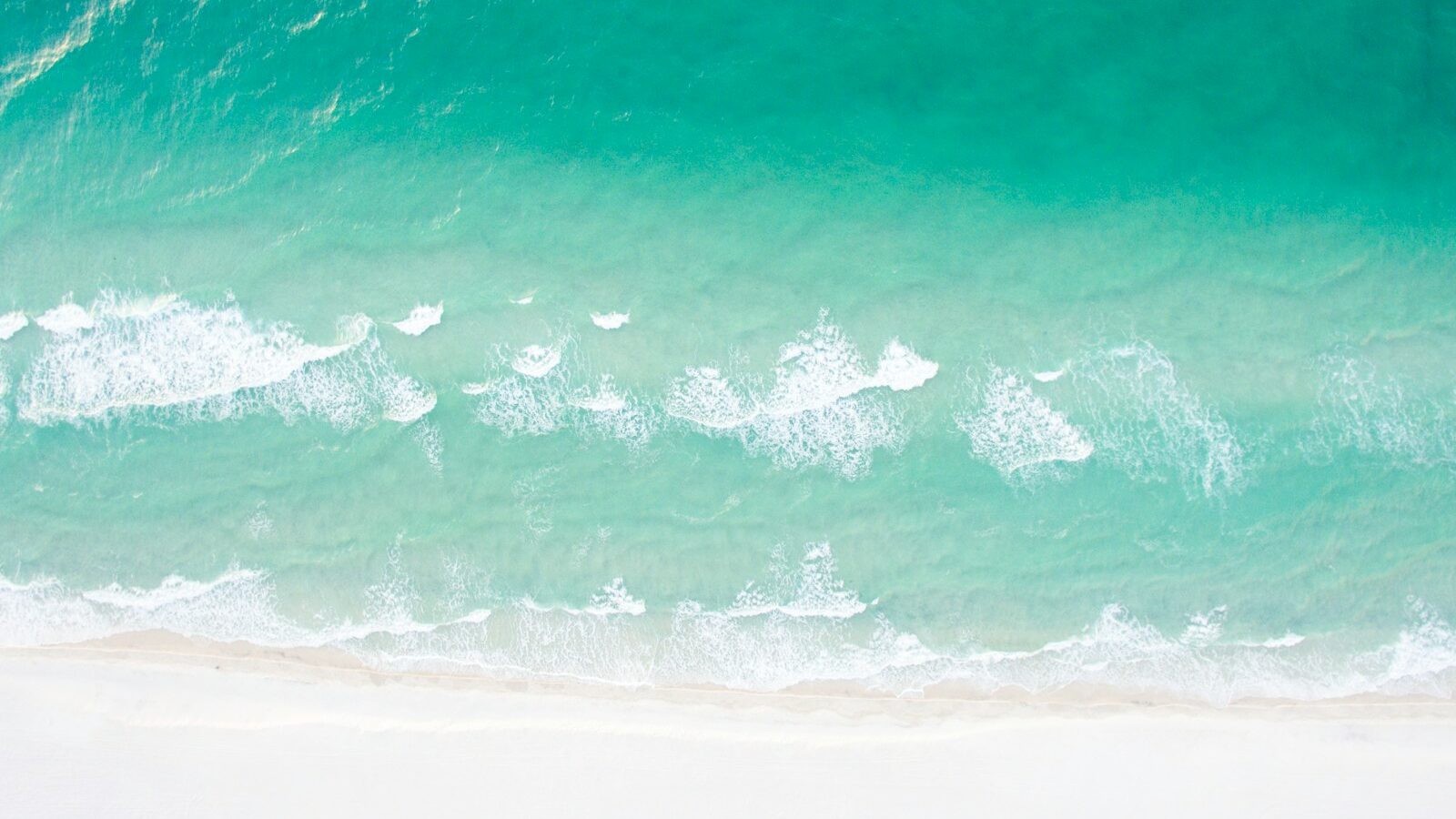
The Gulf of Mexico off Sarasota is, most days, about as benign as open water gets. Shallow, warm, small waves, gently sloping bottom. That's why families love it and why it's genuinely a wonderful place to learn to swim.
It's also why people get careless. The days that cause problems here don't look dangerous from the parking lot. So here's what to know when the beach becomes your regular rather than your vacation.
Learn the Flag System
Florida uses a standardized beach warning flag system, and you'll see the flags flying at lifeguarded beaches. Learn them before you need them.
Green means low hazard and calm conditions. Still stay alert.
Yellow means medium hazard, moderate surf or currents. Most people should be fine, weak swimmers should be cautious.
Red means high hazard, strong surf or currents. Stay out unless you are a genuinely strong swimmer, and honestly, just stay out.
Double red means the water is closed to the public. This is not advisory.
Purple means dangerous marine life has been reported. It's flown alongside the other flags rather than instead of them, and it usually means jellyfish or something similar rather than sharks.
The flags are updated based on actual conditions, often by lifeguards who've been watching the water all morning. Trust them over your own read of the surf from shore.
Rip Currents
This is the one that actually kills people in Florida, far more than sharks or anything else people worry about. A rip current is a narrow channel of water flowing away from shore, formed when water pushed onto the beach by waves finds a path back out.
They're most common near structures like jetties, piers, and groins, and in gaps in sandbars. On the Gulf side they tend to form during periods of larger surf, which here usually means during or after a weather system.
How to Spot One
Look for a channel of choppy, discolored water moving seaward. A gap in the pattern of breaking waves. A line of foam, seaweed, or debris moving steadily away from shore. Water that looks different in color from the surrounding water.
Polarized sunglasses help enormously. So does taking thirty seconds to actually look at the water before you get in, which almost nobody does.
What to Do If You're Caught
The instinct is to swim straight back to shore. That instinct drowns people, because you're swimming against a current that's stronger than you are, and you exhaust yourself.
Instead: don't panic, and don't fight it. Rip currents pull you away from shore, not under. Swim parallel to the beach to get out of the narrow channel, then angle back in. If you can't swim out of it, float or tread water, wave and call for help, and let it carry you until it weakens, which it will.
If someone else is caught, don't swim out after them unless you're trained and have a flotation device. Would-be rescuers drown at an alarming rate. Get a lifeguard, call 911, and throw something that floats.
The Stingray Shuffle
Stingrays rest on the sandy bottom in shallow water, often partly buried, and they're extremely common here. They have no interest in you. The problem is stepping directly on one, which triggers a defensive barb strike to the foot or ankle.
It's not usually dangerous but it's genuinely, memorably painful, and it happens often enough that local emergency rooms and beach lifeguards are practiced at it.
The prevention is simple and works: shuffle your feet rather than stepping as you walk in the shallows. Sliding your feet along the bottom gives rays warning and they swim off. Every local does this without thinking about it.
Ray activity tends to be higher in the warmer months and in calm, shallow water, which is exactly where kids play. Teach them the shuffle early.
If someone is stung, the standard first aid is hot water immersion, as hot as can be tolerated without scalding, which breaks down the venom protein. Seek medical attention, especially if the barb fragment may be retained.
Sun: The Slow Danger
Newcomers consistently underestimate the Florida sun. We're much further south than most transplants are used to, the UV index is high for a large part of the year, and reflection off white sand and water increases exposure significantly.
The burn timeline here is shorter than you expect. People who could spend a summer afternoon outside in Ohio without issue get burned in forty-five minutes on Siesta Key in March. March, not August, because the sun is already strong before it feels hot.
Practical habits that locals develop: avoid the peak hours of roughly ten to four for extended exposure, use a beach umbrella as a default rather than an accessory, wear a hat and UV-protective clothing, and reapply sunscreen far more often than the bottle suggests.
Skin cancer rates in Florida are high for exactly these reasons. An annual skin check with a dermatologist is a normal part of life here, and our guide to finding doctors when you're new covers getting established with one.
Heat and Hydration
In summer, heat illness is a real risk, particularly for older residents and anyone not yet acclimated. The humidity means sweat evaporates poorly, which is the body's main cooling mechanism. Drink more water than you think you need, take breaks in shade or air conditioning, and know the warning signs of heat exhaustion. Our guide to living through a Sarasota summer covers acclimation.
Lightning
Florida leads the country in lightning strikes, and a flat, open beach is one of the worst places to be during a storm. In summer, afternoon thunderstorms are a near-daily occurrence, often building quickly.
The rule is straightforward: when you hear thunder, leave the beach and get into a building or a hard-topped vehicle. Not a beach shelter, not under a tree. Wait thirty minutes after the last thunder before returning.
Summer beach trips work best in the morning for exactly this reason. Our guide to summer storms and lightning safety goes deeper.
Marine Life You'll Actually Encounter
Jellyfish appear seasonally and with certain wind patterns. Most local species produce a mild sting. Rinse with vinegar or seawater rather than fresh water, and don't rub it.
Portuguese man o' war occasionally wash up, particularly with easterly winds. The blue balloon-like float is distinctive. Do not touch them, including on the sand, since detached tentacles still sting. Keep kids and dogs clear.
Sharks are present, as they are in every ocean. Incidents on our stretch of coast are rare. Sensible precautions: avoid dawn and dusk, don't swim near people fishing or where bait fish are schooling, don't wear shiny jewelry, and don't swim alone far from shore.
Dolphins and manatees are the good news, and you'll see both. Keep your distance from both, which is both respectful and legally required. Our guide to seeing manatees and dolphins covers the etiquette.
Red Tide
This is a local condition that deserves its own understanding. Red tide is a harmful algal bloom that occurs periodically off our coast. It can kill fish, and the aerosolized toxins can cause respiratory irritation, coughing, and burning eyes, particularly for people with asthma or COPD.
When it's present and onshore winds are blowing, the beach becomes genuinely unpleasant and, for sensitive people, a health issue. The reasonable response is to check conditions before going and stay away when it's bad. It comes and goes, sometimes over weeks, sometimes months.
Our guide to red tide in Sarasota covers how to check current conditions and what to expect.
Practical Habits Locals Develop
Check conditions before you go: surf, weather, red tide status. Go in the morning, particularly in summer. Swim near a lifeguard when one is on duty. Shuffle your feet. Bring more water and more shade than you think you need. Watch the sky.
None of this is meant to make the beach sound dangerous. It's one of the great daily pleasures of living here and most days nothing happens to anyone. But the difference between a visitor and a resident is that a resident has these habits without thinking about them.
Our guides to the best beaches for newcomers and beach parking and access will get you started, and if beach proximity is shaping your house hunt, our community matching quiz takes that into account.


Ready to find your place on the Suncoast?
Take the 60-second quiz to find your community, or talk to a local expert now.