
Anna Maria Island: A Newcomer's Guide to Bradenton's Beaches
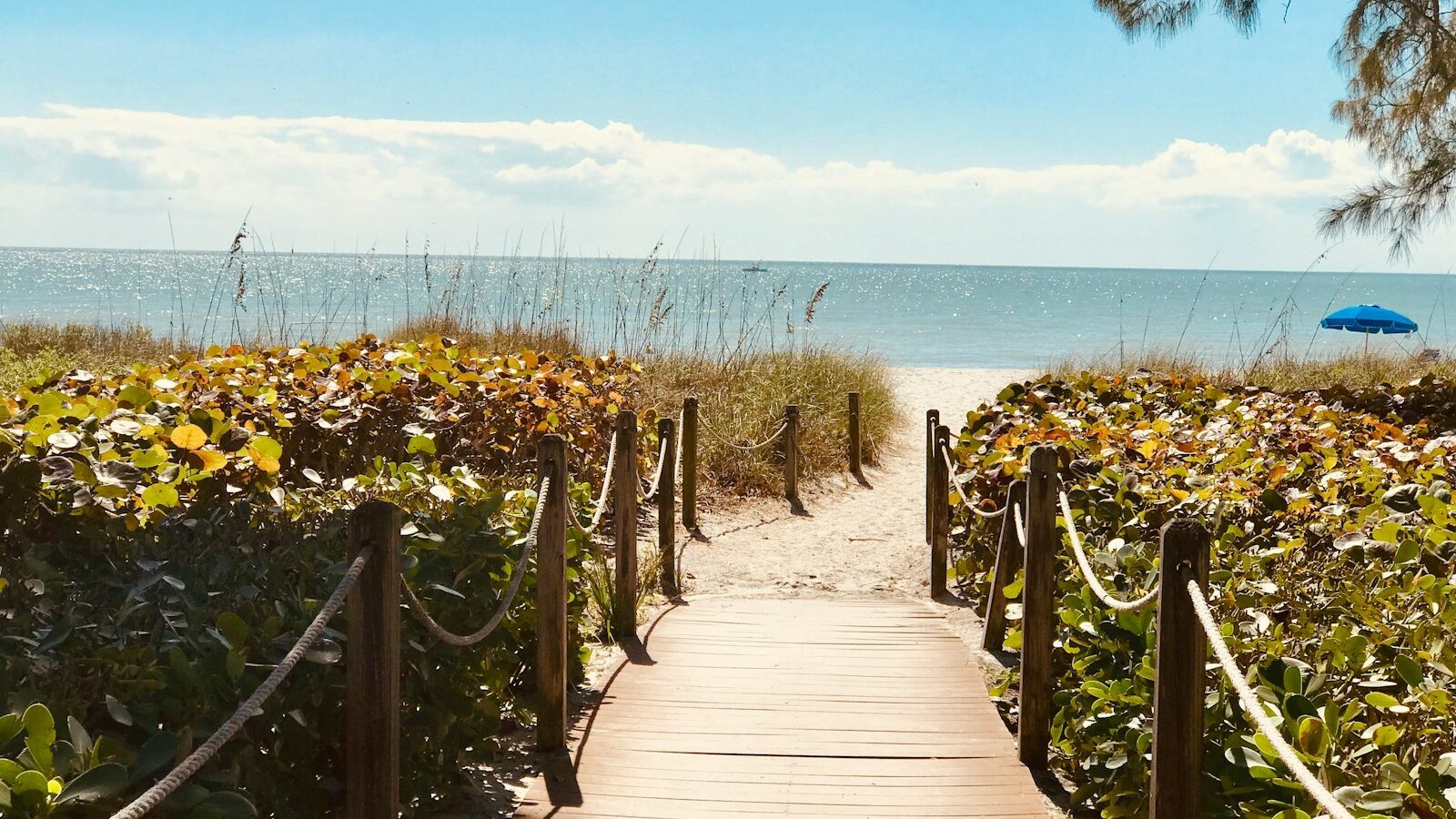
Drive west from Bradenton until the road runs out of mainland, cross a bridge over a wide stretch of Gulf-fed water, and you land somewhere that feels pleasantly stuck in an earlier decade. Anna Maria Island is a slim barrier island in Manatee County, separated from the mainland by Sarasota Bay and Anna Maria Sound. It is the kind of place where the tallest thing on the horizon is usually a sabal palm, where bicycles outnumber sports cars, and where a pastel cottage might sit two lots from the sand. For newcomers weighing where to land in the Sarasota and Bradenton area, the island tends to spark an immediate, slightly irrational longing. This guide walks through what makes it that way, and what you should know before you let that longing turn into a lease or a purchase.
An island that chose to stay small
The first thing most visitors notice is what is missing. There are no towering condo blocks lining the beach, no neon resort strips, no sprawling chain hotels stacked against the dunes. That absence is not an accident. The island has long favored low-rise, small-scale development, and the result is a skyline measured in palm fronds rather than stories. Buildings stay modest, signs stay restrained, and the overall feel leans toward a quieter version of Florida that predates the high-rise boom elsewhere on the coast.
What you get instead is texture. Weathered cottages painted in faded seafoam and coral. Mom-and-pop ice cream counters and bait shops. Front porches that actually get used. Locals sometimes describe the vibe as old Florida, and while that phrase gets stretched thin in marketing copy, here it earns its keep. The scale is human. You can walk the width of the island in minutes, and you are rarely far from either the Gulf or the bay.
The beaches, which are the whole point
People come for the sand, and the island delivers a stretch of it along the Gulf side. The beaches here tend toward soft, light-colored sand and shallow, gradually deepening water, which makes wading comfortable and the surf generally gentle. Sunsets over the Gulf are the daily event, and on calm evenings you will see clusters of people drifting toward the shore to watch the sky do its thing.
Different stretches of beach have slightly different personalities. Some areas feel broad and open, others more tucked-in and neighborhoody. A few spots offer public access with parking and facilities, while quieter pockets reward those willing to walk a little farther from the nearest lot. Because parking near the water is genuinely limited, especially in peak months, locals tend to arrive early, bike in, or use the trolley rather than circling for a space.
If you want to compare the island's sand to what you will find closer to the city, our roundup of the best beaches for newcomers covers the wider area and helps put Anna Maria in context.
Getting around: the free trolley and car-light days
One of the island's most beloved quirks is its free trolley, which runs the length of the island and connects the beach access points, shops, and town areas without a fare. For residents and visitors alike, it changes the rhythm of a day. Rather than fighting for parking at every stop, you can leave the car parked once and hop the trolley up and down the island.
That setup encourages a car-light way of living that many newcomers find surprisingly appealing. Plenty of people get around on bikes or golf carts for short hops, saving the car for trips back to the mainland. Streets are narrow and slow, distances are short, and the whole island is built at a pace that does not really reward hurrying. If you are someone who likes the idea of running errands on two wheels with a beach towel over your shoulder, this is fertile ground for that habit.
Three towns, one island
Although it reads as a single place, the island is organized into a few distinct town areas, generally running from one end to the other. In broad terms, the area at the northern tip carries a quieter, more residential and historic feel, with a small commercial cluster and a long-standing pier reaching out over the water. The central stretch tends to be the busiest, with a denser concentration of shops, dining, and beach access. The southern portion leans more residential and laid-back again.
These are loose characterizations rather than hard rules, and the lines blur as you move along the island. Still, the distinction matters when you are deciding where you might want to live or rent. Some newcomers gravitate toward the central buzz, while others want to be as far from the crowds as the island allows. Spending time in each area, ideally across different seasons, is the best way to feel out which one fits you.
What it is actually like to live here
Now the honest part. Living on or near Anna Maria Island is a different proposition from vacationing there. The housing stock skews toward cottages and smaller homes rather than large developments, which is part of the charm and also part of the constraint. Inventory tends to be limited, and prices for island property generally run high, reflecting the scarcity of land and the strong demand for a spot this close to the Gulf. Buyers should expect a competitive, premium market and budget accordingly.
Seasonality shapes daily life too. In the high season, the island fills with visitors, traffic across the bridges thickens, and parking gets tight. In quieter months, the pace slows noticeably and the island feels more like the small town it is at heart. Many newcomers find they enjoy both rhythms, but it helps to go in knowing the swing exists rather than being surprised by it each year.
Then there are the practical realities of barrier-island life. Being surrounded by water means flood zones, elevation requirements, and insurance considerations are genuinely important parts of the math, not afterthoughts. Coastal property in this part of Florida typically involves flood insurance and windstorm coverage, and costs can vary widely depending on the specific home, its elevation, and current conditions. None of this should be guessed at. Talk to insurance professionals and lenders early, and read our overview of the broader cost of living in the region so the island's premium reads in context rather than in isolation.
Living near the island instead of on it
For many people, the sweet spot is not the island itself but the mainland just behind it. Neighborhoods on the western edge of Bradenton put you within a short drive or bike ride of the bridges, which means easy beach days without the full island price tag, parking crunch, or insurance profile. You trade a few minutes of travel for more housing options and, often, a calmer set of logistics.
The bay side of the island and the nearby mainland also appeal strongly to anyone drawn to the water for reasons beyond the beach. Boating, fishing, and paddling are woven into the local lifestyle, and protected waters make the area friendly to newcomers still finding their sea legs. If that is your pull, our guide to waterfront and boating life in the Sarasota area digs into what owning near the water really involves.
Why it keeps drawing people in
Strip away the specifics and the appeal comes down to something simple. Anna Maria Island offers a version of coastal Florida that feels unhurried, walkable, and built around the water rather than around development. The deliberate small scale, the free trolley, the cottages, and the daily sunset ritual add up to a place that resists the generic. People do not fall for it because of any single attraction. They fall for the whole low-rise, salt-air, slow-paced package.
That said, the right move for you depends on how you want to live, what you can spend, and how you weigh charm against the practical realities of barrier-island ownership. If you are still mapping out which corner of the Sarasota and Bradenton area fits your life, take a few minutes with our community-match quiz to narrow things down, or connect with a local expert who can walk you through the island versus mainland trade-offs in detail. The island will still be there, sand and all, when you are ready to take a closer look.



Ready to find your place on the Suncoast?
Take the 60-second quiz to find your community, or talk to a local expert now.