
Lawn Care and Landscaping in Southwest Florida for Newcomers
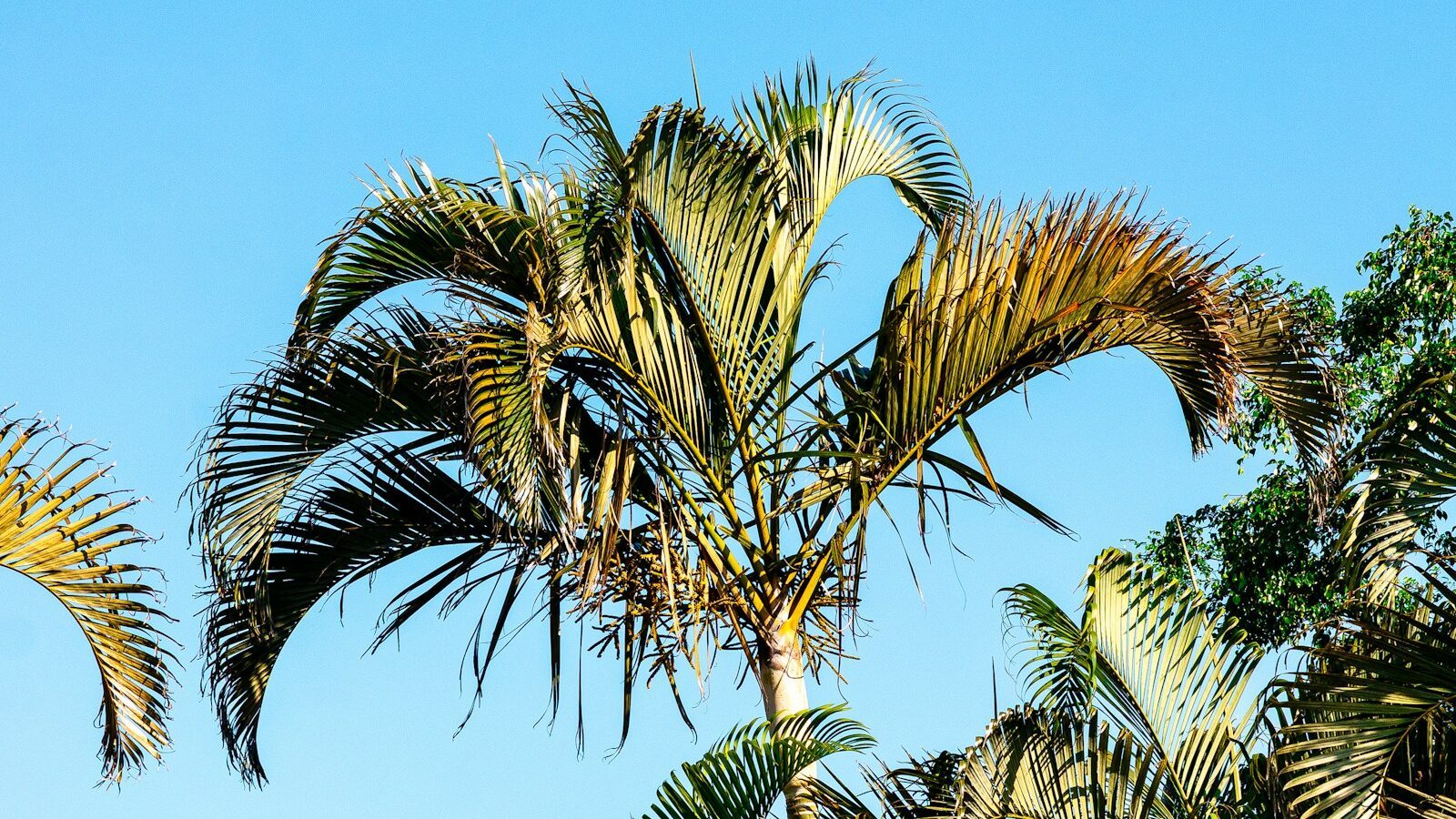
If you are moving to the Suncoast from somewhere up north, your yard is about to become one of the more surprising parts of the adjustment. People expect the hot summers and the afternoon storms, but they rarely expect their relationship with grass, soil, and plants to change so completely. Lawn care and landscaping in Southwest Florida follow their own rules, and the habits that kept a lawn green in Ohio or New York can actually work against you here.
The good news is that none of this is hard once you understand a few basics. Florida gives you a long growing season, a wildly different plant palette, and the chance to grow things you could only dream about before. The trade-off is that the yard rarely goes dormant, so there is almost always something to do. Here is what we wish every newcomer knew before that first weekend with a mower.
The growing season never really stops
Up north, the lawn takes the winter off. You put the mower away in October and forget about the yard until spring. That does not happen here. Our warm climate means grass grows for most of the year, and in the hottest, wettest stretch it can grow fast enough that you are mowing weekly or even more often. Even in our mild winters the lawn keeps ticking along, especially in a warm spell.
What this means in practice is more maintenance than a northern lawn, not less. You will mow more weeks of the year, edge more often, and stay on top of growth that does not pause. If you want a sense of just how intense the growing months get, our guide to living through a Sarasota summer paints the full picture of heat, humidity, and daily rain that drives all that green.
Why northern grass does not work here
One of the first lessons newcomers learn is that the cool-season grasses they grew up with, like Kentucky bluegrass or fescue, simply will not survive our heat and humidity. Down here, the most common turf is St. Augustine grass, a broad-bladed, spreading grass that loves warmth and handles our conditions well. You will also see Bahia, Zoysia, and a few others depending on the yard and the budget.
St. Augustine behaves differently from what you are used to. It spreads by runners rather than seed, so it is usually installed as sod or plugs, not sprinkled from a bag. It also has its own preferences for mowing height and watering, and cutting it too short is a common rookie mistake. Get to know your specific grass type, because the care instructions are not interchangeable.
Sandy soil changes everything
Much of our region sits on sandy soil, and that changes how you water and fertilize. Sand drains quickly and does not hold moisture or nutrients the way the richer, loamier soils up north do. Water can run straight through before roots get a good drink, and fertilizer can wash away if you apply too much at once.
The fix is to water and feed more thoughtfully rather than more heavily. Deep, less frequent watering encourages stronger roots, and slow-release fertilizers spread out over the season tend to work better than one big dose. Many newcomers also add organic matter or mulch around beds to help the sandy ground hold onto a little more moisture.
Irrigation and watering restrictions
Because the soil drains so fast and the dry season can be genuinely dry, most established yards here rely on an in-ground irrigation system. If your new home has one, learn where the controller is and how to adjust it, because running it on the wrong schedule wastes water and money and can even harm the lawn.
Just as important, many areas across the region enforce watering restrictions that limit which days and hours you can run your sprinklers. These rules exist to protect the water supply, and they are taken seriously, so check with your local water authority before you set your timer. Our overview of Sarasota weather and seasons explains the wet and dry rhythm that makes smart watering so important.
Plants you can finally grow (and a few that struggle)
Here is the fun part. The subtropical climate opens up a plant list that northerners only see on vacation. You can grow palms of all kinds, citrus trees like oranges, lemons, and limes, and showstoppers like bougainvillea that bloom in vivid color. Hibiscus, plumeria, crotons, and all sorts of tropical foliage thrive in our yards, and many flower nearly year-round.
Not everything loves it here, though. Plants that need a real winter chill, like lilacs, peonies, tulips, and many northern fruit trees, generally struggle or fail because they never get the cold they require. Some cool-weather vegetables also do better in our mild winter than in the brutal heat of summer, which flips the planting calendar you grew up with. When in doubt, look for plants labeled for our climate zone.
Pests and lawn diseases in the humidity
Warmth and humidity that are great for growth are also great for pests and disease. Chinch bugs are a classic St. Augustine problem and can brown out a patch of lawn surprisingly fast, often where it is hot and dry near pavement. Fungus and other lawn diseases also thrive in our moisture, especially if the grass stays wet overnight from overwatering.
You can head off a lot of trouble with good habits: water in the early morning so blades dry during the day, avoid scalping the lawn, and keep an eye out for spreading brown or yellow patches. Catching a problem early makes it far easier to treat than waiting until half the yard is affected.
Do it yourself or hire a lawn service
Hiring a lawn service is extremely common here, and it is nothing to feel sheepish about. Between the year-round mowing, the pest pressure, and the heat that makes midday yard work genuinely tough, many residents decide their weekends are better spent at the beach. A service can handle mowing, edging, fertilizing, and pest treatments on a regular schedule.
Plenty of people do enjoy the hands-on approach, and that is rewarding too. The right choice comes down to your time, your budget, and how much you like being out in the yard. There is no wrong answer, and many folks land somewhere in the middle, mowing themselves while leaving pest and fertilizer treatments to a pro.
HOA rules and Florida-Friendly options
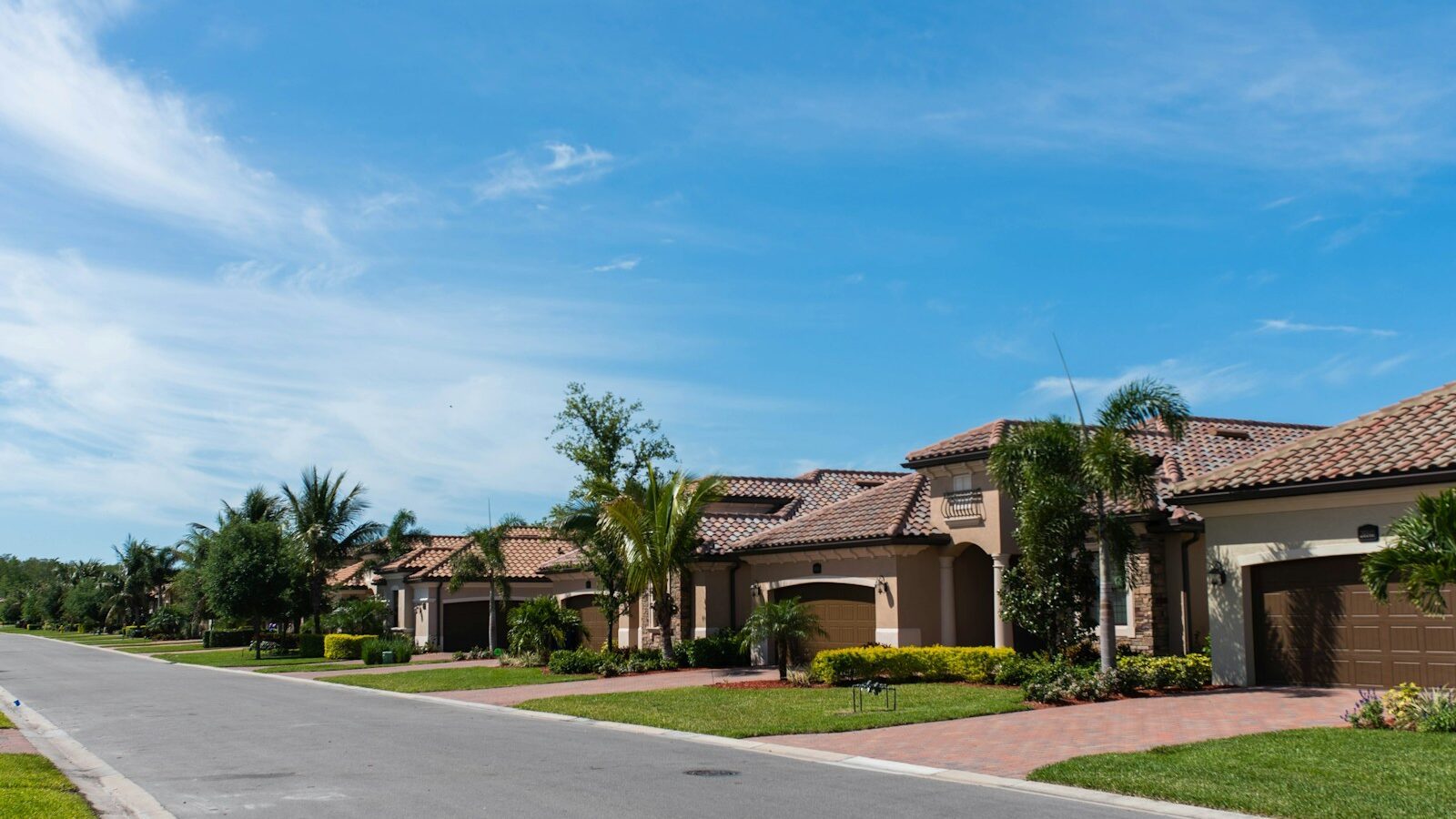
Before you redesign anything, know that many neighborhoods here have rules about your landscaping. An HOA or community may dictate what you can plant, how tall things can grow, and how well the lawn must be maintained, with real consequences for letting it slide. Our guide to HOA and deed restrictions in Florida walks through how these rules work and what to check before you buy or plant.
At the same time, there is growing support for Florida-Friendly Landscaping, an approach that favors native and water-wise plants suited to our conditions. These yards often use less water, less fertilizer, and less effort once established, and state law generally protects a homeowner's right to use Florida-Friendly practices even within an HOA. It is a smart, lower-maintenance direction for a lot of newcomers.
Your Suncoast yard will take a little learning, but once it clicks, gardening here becomes one of the real joys of the lifestyle. If you are still deciding which neighborhood fits the kind of outdoor life you want, from a tidy maintained community to a yard you can fill with citrus and palms, take our community-match quiz and let us help you find your spot.


Ready to find your place on the Suncoast?
Take the 60-second quiz to find your community, or talk to a local expert now.