
How Far Your Housing Dollar Goes in Sarasota vs the Northeast
If you are looking south from somewhere in New York, New Jersey, or New England, one of the first questions on your mind is probably the most practical one: what does my money actually buy down there? It is a fair thing to ask, and we hear it constantly. The honest answer is that your housing dollar usually does go further on the Suncoast, but the full picture has a few moving parts that are worth understanding before you fall in love with a listing. Let us walk through it together, plainly and without the sales pitch.
What Your Money Tends to Buy Here
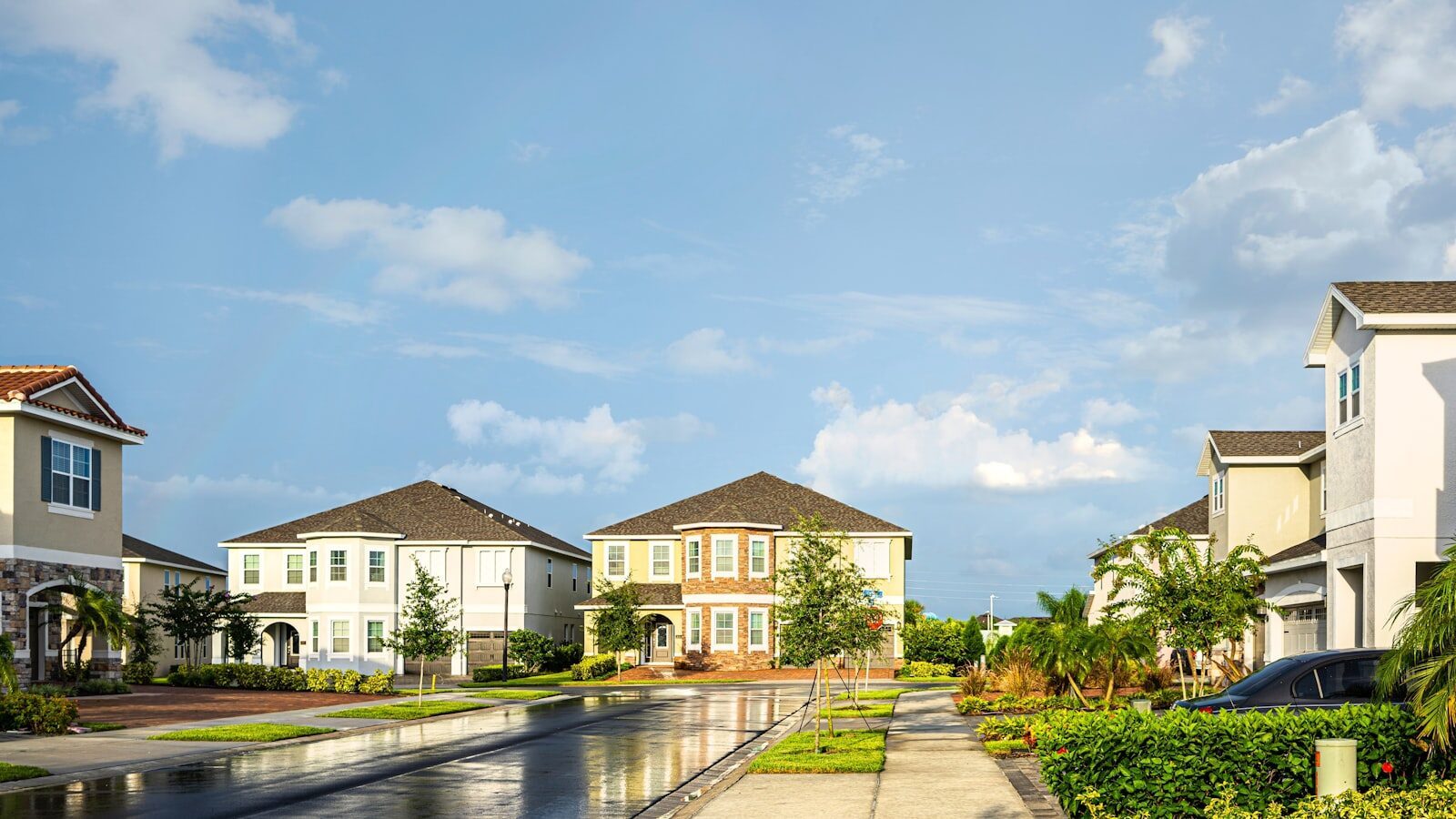
For a lot of folks coming from the Northeast, the most noticeable difference is what shows up in the same budget. Up north, a house at a given price often means an older home, a smaller lot, and a long list of seasonal maintenance. Around Sarasota, Bradenton, and Lakewood Ranch, that same budget more often lands you a newer build, a more open floor plan, and outdoor space you can genuinely use most of the year.
That last part matters more than people expect. A screened lanai, a pool, a yard that stays green into December, and a community pool or clubhouse are normal features here rather than luxuries. And there is a whole category of cost that simply disappears. No snow tires, no plow service, no roof rakes, no heating-oil deliveries, and no months of high gas or electric bills just to keep the pipes from freezing. Those are real dollars you stop spending the moment you head south, even if they never show up on a listing sheet.
We will not quote prices here, because they shift with the market and would be out of date by the time you read this. The smarter move is to look at current local cost-of-living numbers and recent sales, then talk to someone on the ground. What we can tell you with confidence is that the trade you make is usually more home and more outdoor living for the same money, and a lot less work keeping it standing through a hard winter.
The Big Offset: No State Income Tax
Here is the line item that surprises Northeast transplants the most, and it is a big one. Florida has no state income tax. None on wages, none on retirement income, and none on Social Security. If you are coming from New York, New Jersey, Connecticut, or Massachusetts, you have been paying a meaningful slice of every paycheck or pension to the state, and that slice goes away entirely when you make Florida your home.
For a working household, that can be the difference of a noticeable chunk of take-home pay every single year. For retirees living on a pension, a 401(k), or investment income, the savings can be even more striking, because so much of that income was being taxed at the state level back home. This is the offset that makes the rest of the math work for many people, and it is worth modeling out with your own real numbers rather than a rule of thumb.
Being Honest About Insurance and Property Taxes
Now for the part we never skip, because pretending otherwise would not be fair to you. Florida has two housing costs that are genuinely higher than what most Northeast buyers are used to, and you should budget for both with your eyes open.
The first is home insurance. Florida is a coastal, hurricane-exposed state, and that reality shows up in premiums. Depending on the home, its age, its roof, and its location relative to the water, insurance can cost considerably more than you paid up north. The good news is that it is manageable and predictable once you understand the levers, and a newer home with a newer roof and good wind-mitigation features often insures far better than an older one. We have a full Florida home insurance guide that walks through what drives the cost and how to keep it reasonable.
The second is property taxes. Florida funds a lot of what it does through property taxes rather than income tax, so the rate and structure are different from what you know. The flip side is that Florida offers a homestead exemption and a cap on how fast your assessed value can rise once the home is your permanent residence, which protects long-term owners in a way many Northeast states do not. The details genuinely matter, so it is worth reading our Florida property taxes explained guide before you assume your bill will look like your neighbor's.
Putting the Whole Picture Together
So how does it all net out? For most people we talk with, the picture looks something like this. On one side of the ledger you have real savings: no state income tax, lower seasonal costs, more home for the money, and a lifestyle that lets you actually use your house and yard year round. On the other side you have two line items that run higher than up north: insurance and, in some cases, property taxes.
For a great many Northeast households, especially retirees and remote workers, the savings comfortably outweigh the added costs, and they come out ahead on both money and quality of life. But we want to be square with you: that is not automatic, and it depends on your income, the specific home, and where it sits. A waterfront home with an older roof tells a very different insurance story than an inland home built five years ago. The only way to know your real number is to run your real numbers.
The lifestyle side deserves a mention too, because it is part of why people make this move and stay. Beaches, boating, golf, and an outdoor calendar that runs all twelve months are not line items, but they are a big part of the value you are buying. Plenty of folks tell us that the thing they did not budget for, and would not trade back, is simply not dreading winter anymore.
Why a Local Lender and Agent Make the Difference
Here is the practical takeaway. The sticker price of a home tells you almost nothing about your true monthly cost in Florida, because insurance and taxes can move that number more than the loan itself does. That is exactly why working with a local team is not just nice to have, it is how you avoid a nasty surprise.
A local lender can build all of it into one honest monthly figure: principal, interest, taxes, and insurance, based on the actual home you are considering rather than a generic estimate. When you are ready to see what your money really buys, connecting with a local mortgage professional is the fastest way to turn vague hopes into a clear, livable number. A good local agent does the same on the home side, steering you toward properties that insure well and flagging the ones that will quietly blow up your budget.
If you are not sure where on the Suncoast you even fit yet, that is a fine place to start too. Our community matching quiz points you toward the neighborhoods that match your budget and your lifestyle, so the home search begins in the right places. Between a quiz, a couple of honest guides, and a local pro who runs your true numbers, you can answer that first practical question with real confidence instead of a guess.



Ready to find your place on the Suncoast?
Take the 60-second quiz to find your community, or talk to a local expert now.