
Short-Term Rental Taxes in Florida: A Host's Guide
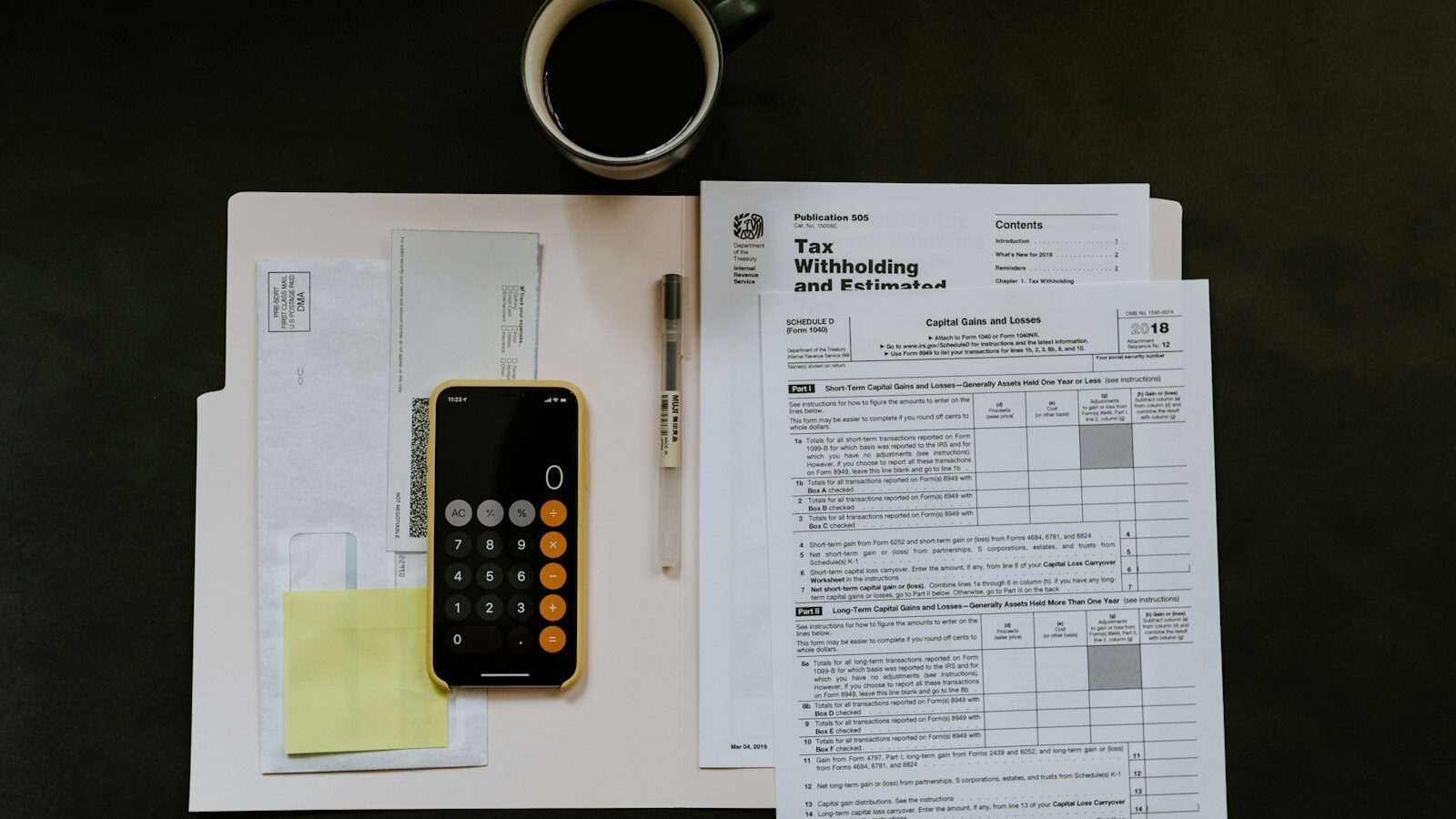
The fun part of owning a vacation rental on the Suncoast is easy to picture: guests booking your place, reviews rolling in, a little extra income from a property that pays for itself. The part nobody puts in the brochure is the paperwork. Renting a home or condo for short stays in Florida puts you squarely inside a tax system that treats lodging differently than a regular long-term lease, and getting it wrong can mean penalties that erase a season of profit. The good news is that the rules, once you see them laid out, are far more manageable than they first appear.
This guide walks through what a host in the Sarasota and Manatee area actually deals with: the local bed tax, state and local sales tax, the licenses you register for, and who is responsible for sending the money in. None of it is complicated once you know the moving pieces.
What counts as a short-term rental
Florida draws a clear line based on how long a guest stays. Rentals of six months or less are considered transient lodging, and that is the category that triggers lodging taxes. Stays longer than six months are generally treated more like a traditional tenancy and fall outside the transient tax rules. If you are renting nightly, weekly, or for a few months at a time through a platform like Airbnb or Vrbo, or directly to guests, you are almost certainly operating a transient rental.
That definition matters because it determines which taxes apply and which registrations you need. Before you list anything, it also pays to understand the operating rules that come alongside the tax obligations. Our overview of short-term rental rules in the Sarasota area covers zoning, occupancy limits, and registration requirements that sit next to the tax picture.
The tourist development tax (the local "bed tax")
Counties in Florida are allowed to levy a tourist development tax on short-term lodging, and locals usually just call it the bed tax. It applies to the rent guests pay for stays of six months or less, and the money funds things like beach maintenance, tourism marketing, and local visitor infrastructure. Sarasota County and Manatee County each set and collect their own version of this tax.
Here is the part that trips up new hosts: the bed tax is administered at the county level, not the state level. That means you register with and remit to the county tax collector for the county where your property sits. The two counties have separate accounts, separate filing portals, and their own staff who can answer questions. If you own rentals in both, you handle each one independently.
Because rates are set locally and can change, do not rely on a number you read online a year ago. Confirm the current rate directly with the Sarasota County Tax Collector or the Manatee County Tax Collector before you set your pricing.
State and local sales tax
On top of the county bed tax, transient rentals are subject to Florida's state sales tax plus any applicable local discretionary sales surtax. This is the same family of tax that applies to lodging statewide, and it is administered by the Florida Department of Revenue rather than the county.
So you are looking at two parallel tracks. One stream of tax flows to the county tax collector. Another flows to the state. They are calculated on the same rental income but reported to different agencies, which is why hosts who only register for one end up with a gap they discover later, usually at an inconvenient moment.
What the combined rate roughly looks like
When you stack the county tourist development tax on top of the state sales tax and local surtax, the combined rate guests pay on a Sarasota-area stay typically lands somewhere in the neighborhood of 12 to 13 percent. Think of that as a planning ballpark, not a precise figure to print on an invoice.
The exact combined percentage depends on the specific county rate and the local surtax in effect, both of which can be adjusted by local and state authorities. Always pull the current rates from the county tax collector and the Florida Department of Revenue when you set up your listing, and recheck them periodically. A point or two of difference adds up across a busy season, and it is the host, not the guest, who answers for a shortfall.
Licenses and registrations you actually need
Tax accounts are only half of the setup. Florida also requires operating credentials for transient rentals, and there are typically a few layers to handle.
- State transient lodging license. Florida regulates vacation rentals through the Department of Business and Professional Regulation, which issues a license for transient public lodging establishments. Most short-term rental homes and condos need one before they legally take guests.
- State tax registration. You register with the Florida Department of Revenue to collect and remit state sales tax on your rental income.
- County tourist tax account. You open an account with the county tax collector to remit the bed tax.
- Local business tax receipt. Many municipalities and counties require a local business tax receipt, sometimes still called an occupational license, plus any city or county short-term rental registration that applies where the property sits.
The combination that applies to you depends on the exact address, since city limits and unincorporated county areas can have different requirements. If you are at the very start of this process, our walkthrough on how to start a short-term rental in Sarasota lays out the sequence of steps in plain order.
Who collects and who is responsible
This is where a lot of confusion lives. Booking platforms such as Airbnb and Vrbo have agreements in place to collect and remit certain taxes on behalf of hosts in Florida. That sounds like it solves the problem, but it rarely covers everything cleanly.
A platform might handle the state sales tax while leaving the county bed tax to you, or it might collect some taxes for one county but not another, and these arrangements change over time. If you also take direct bookings outside the platform, those stays are entirely your responsibility to tax and remit.
No matter what a platform collects on your behalf, you as the host remain ultimately responsible for making sure the correct taxes are reported and paid. If a platform under-collects or stops collecting, the liability lands on you.
The practical takeaway: find out in writing exactly which taxes each platform you use is collecting, for which jurisdiction, and treat anything they do not handle as yours. Verify it with the county tax collector and the Department of Revenue rather than assuming the platform has it covered.
Filing, remitting, and keeping records
Once you are registered, both the state and the county expect regular returns. In general, lodging taxes are filed on a recurring schedule, often monthly, with the return and payment due shortly after the close of each period. Some smaller operations may qualify for less frequent filing. The agency assigns your filing frequency when you register, so confirm yours directly rather than guessing, and note that returns are often due even in months when you had no bookings.
Good records make all of this painless. Keep a clear log of gross rental income, the taxes you collected, what each platform collected and remitted on your behalf, and copies of every return you file. Separate the county and state numbers so you can reconcile them quickly. If you are ever questioned, organized records turn a stressful audit into a short conversation.
A few habits that save hosts grief: set aside the tax portion of each booking the moment it comes in rather than spending it, calendar your filing deadlines, and reconcile platform payout statements against your own records every month.
Please verify everything (this is not tax advice)
Everything here is a plain-English orientation, not tax or legal advice. Rates change, filing rules get updated, and the requirements that apply to your exact property depend on its location and how you operate it. Before you rely on anything in this guide, confirm the current details with the Sarasota County or Manatee County Tax Collector, the Florida Department of Revenue, and the Department of Business and Professional Regulation. For anything beyond the basics, work with a CPA who handles Florida vacation rentals. The cost of an hour of professional help is small compared to a penalty for getting it wrong.
Taxes are just one slice of what it costs to own and operate property here. If you are still weighing whether the Suncoast fits your plans, our cost of living overview puts the bigger financial picture in context, and our quick community-match quiz can point you toward the areas that fit how you want to live and invest. When you are ready to talk specifics with someone who knows the local market, reach out and we will connect you with a local expert who can help.



Ready to find your place on the Suncoast?
Take the 60-second quiz to find your community, or talk to a local expert now.